
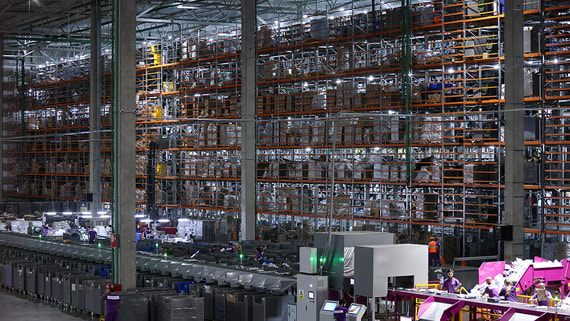
When a massive fire engulfs a warehouse storing millions of dollars worth of merchandise, the physical destruction is only the beginning of a seller’s nightmare. For thousands of entrepreneurs who rely on major e-commerce marketplaces to store and ship their products, the loss of inventory doesn’t erase the financial obligations tied to that merchandise. Loans taken out to purchase goods, credit lines extended by suppliers, and platform fees continue to accumulate even as smoke rises from the ashes of their business dreams. In this harsh reality, an increasing number of affected sellers are discovering that personal bankruptcy may represent a more rational path forward than years of costly litigation with uncertain outcomes.
The growing trend of marketplace sellers considering bankruptcy proceedings reflects a fundamental shift in how small and medium-sized businesses approach catastrophic losses. Traditional wisdom suggested fighting for compensation through the courts, but the practical mathematics of legal battles often tell a different story. Court cases can drag on for five to seven years, consuming resources that struggling entrepreneurs simply don’t have, while the chances of full recovery remain slim at best.
The Hidden Financial Trap of Marketplace Selling
The business model that made marketplace selling so attractive to entrepreneurs also created unprecedented vulnerabilities. Sellers typically invest heavily in inventory, often using borrowed capital, which is then shipped to fulfillment centers operated by major platforms. This arrangement allows small businesses to compete with retail giants, offering fast shipping and professional logistics without building their own infrastructure. However, it also means that sellers surrender physical control of their assets to third parties. When disaster strikes at a fulfillment center, sellers find themselves in a peculiar position: they still own the destroyed goods on paper, but they had no control over the storage conditions, fire safety measures, or insurance coverage at the facility.
The financial architecture of typical marketplace operations compounds this vulnerability. Many sellers operate on thin margins, reinvesting profits into additional inventory to scale their businesses. A significant portion rely on short-term financing, including business loans, credit cards, and supplier credit terms. When inventory worth tens or hundreds of thousands of dollars suddenly vanishes in a fire, these financial obligations don’t disappear. Interest continues to accrue, payment deadlines arrive regardless of circumstances, and creditors begin collection proceedings against business owners who may have lost everything.
The Long Road of Litigation
For sellers who choose to pursue legal action against marketplace operators, the path ahead is arduous and expensive. Class action lawsuits and individual claims must navigate complex jurisdictional issues, contractual limitations, and the substantial legal resources that major technology companies can deploy in their defense. Even in cases where liability seems clear, proving exact damages for thousands of individual SKUs requires extensive documentation that may itself have been lost or prove inadequate. Arbitration clauses in seller agreements often limit legal options further, channeling disputes into proceedings that historically favor platform operators.
Legal experts note that even successful plaintiffs in warehouse fire cases typically recover only a fraction of their losses, and only after years of proceedings. Attorney fees, expert witness costs, and the opportunity cost of time spent on litigation rather than rebuilding can easily exceed any eventual settlement. For a seller who lost inventory worth a hundred thousand dollars, the realistic expectation might be recovering twenty to forty percent of that value after three to five years of legal battles, minus substantial legal fees. Meanwhile, their credit score deteriorates, business relationships sour, and the window for professional reinvention narrows.
Bankruptcy as Strategic Recovery
Against this backdrop, bankruptcy proceedings increasingly appear as a rational alternative rather than a last resort. Modern bankruptcy law, particularly provisions designed for small business owners, offers structured paths to debt relief that can be completed in months rather than years. Chapter 7 liquidation allows qualifying individuals to discharge most unsecured debts and begin rebuilding immediately, while Chapter 11 reorganization provides businesses with breathing room to restructure obligations while continuing operations. The social stigma once attached to bankruptcy has diminished considerably as financial experts recognize it as a legitimate tool for economic recovery.
Financial advisors working with affected marketplace sellers emphasize that early bankruptcy filing can preserve assets that might otherwise be consumed by prolonged legal defense or aggressive creditor actions. By acting decisively, entrepreneurs can protect exempt property, halt wage garnishments, and create space for practical planning about future income and career direction. The psychological benefits of a clean break, while difficult to quantify, represent real value for individuals facing years of financial uncertainty. For sellers whose entire inventory was destroyed through no fault of their own, bankruptcy offers a defined endpoint rather than an indefinite period of legal and financial limbo.
Lessons for the Marketplace Economy
The predicament facing fire-affected sellers highlights systemic issues in the modern e-commerce ecosystem that extend beyond individual business decisions. Insurance requirements for marketplace sellers vary widely, and many entrepreneurs underestimate their exposure to catastrophic risk. Platform operators typically limit their liability through carefully drafted terms of service, leaving sellers to bear losses that feel fundamentally unjust. Industry observers suggest that regulatory attention to these arrangements may increase as the marketplace economy matures and more sellers experience significant losses.
For entrepreneurs currently operating in the marketplace space, the message is sobering but important. Diversifying inventory storage across multiple locations, maintaining adequate insurance coverage, and building financial reserves all represent prudent risk management strategies. Understanding the legal limitations of seller agreements before problems arise enables better business planning. And recognizing that bankruptcy, while painful, can sometimes represent the wisest path forward may save years of futile struggle against circumstances beyond anyone’s control.
Expert Opinion: The increasing willingness of marketplace sellers to consider bankruptcy following catastrophic inventory losses signals a maturing understanding of risk management in the digital economy. As e-commerce platforms continue to concentrate physical goods handling while distributing financial risk to individual sellers, we should expect both regulatory scrutiny of these arrangements and continued evolution of seller strategies for protecting their businesses. The rational choice between years of uncertain litigation and a clean financial break through bankruptcy will increasingly depend on individual circumstances, but the stigma of choosing debt relief over prolonged legal battles is clearly diminishing.