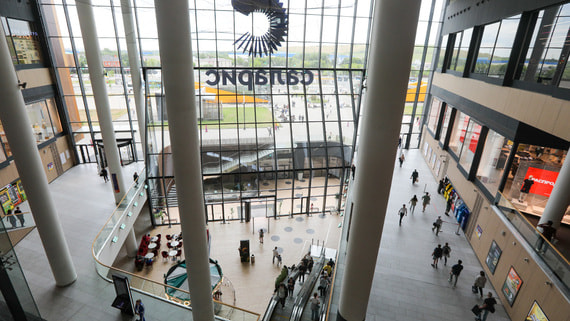
Shopping centers across Moscow are experiencing a notable uptick in visitor numbers, marking a significant shift in consumer behavior patterns that has caught the attention of retail analysts and industry experts. The increased foot traffic is being attributed to two primary factors: recent attacks on logistics facilities belonging to major online marketplaces, and an unusually early start to the back-to-school shopping season. This convergence of circumstances has created an unexpected boom for traditional brick-and-mortar retail establishments, which have struggled in recent years to compete with the convenience of e-commerce platforms.
Logistics Disruptions Drive Consumers Back to Physical Stores
The attacks targeting distribution centers and logistics hubs operated by Russia’s leading online marketplaces have created significant disruptions in the e-commerce supply chain. Companies such as Wildberries and Ozon, which have dominated the Russian retail landscape in recent years, have faced delivery delays and inventory shortages as a result of these incidents. For consumers accustomed to next-day or same-week delivery, these disruptions have proven frustrating enough to drive them back to traditional shopping venues where products are immediately available. Industry observers note that this represents a rare reversal of the trend toward online shopping that has accelerated dramatically since the COVID-19 pandemic.
The vulnerability of concentrated logistics networks has been a topic of discussion among supply chain experts for years. When major distribution centers are compromised, the ripple effects can be felt across entire regions, affecting millions of consumers and thousands of sellers who rely on these platforms. This situation has highlighted the inherent risks of over-reliance on centralized e-commerce infrastructure and has given traditional retailers an unexpected competitive advantage, at least temporarily.
Early Back-to-School Shopping Boosts Summer Traffic
Adding to the momentum in shopping mall foot traffic is an unusually early start to the back-to-school shopping season. Russian parents appear to be beginning their preparations for the upcoming academic year weeks ahead of the traditional schedule. This shift may be driven by concerns about product availability, given the ongoing logistics disruptions, as well as a desire to avoid the last-minute rush that typically characterizes late August shopping. School supplies, uniforms, backpacks, and electronics are among the most sought-after items during this period, and many parents prefer to see and try on items in person, particularly when purchasing uniforms and shoes for growing children.
The back-to-school season has historically been one of the most important periods for Russian retailers, second only to the New Year holiday shopping season. Retail analysts estimate that families spend significant portions of their annual retail budgets during this period, making it a crucial time for shopping centers to capture consumer attention and spending. The early start this year has extended the window during which retailers can benefit from this seasonal boost, potentially leading to stronger overall sales figures for the summer quarter.
Implications for the Retail Landscape
The current surge in shopping mall traffic raises important questions about the future of retail in Russia’s major cities. While e-commerce has grown exponentially over the past decade, the recent disruptions demonstrate that physical retail still plays a vital role in the consumer ecosystem. Shopping centers that have invested in creating experiential environments, combining retail with entertainment, dining, and services, may be particularly well-positioned to capitalize on this moment. However, industry experts caution that this uptick may be temporary, and that once logistics networks are restored to full functionality, consumers may return to their online shopping habits.
Nevertheless, this period offers shopping centers an opportunity to reconnect with consumers and demonstrate the unique value propositions that physical retail can offer: immediate product availability, the ability to touch and try items before purchasing, and the social experience of shopping. Savvy mall operators and retailers are likely using this window to strengthen customer relationships and loyalty programs in hopes of retaining some of the foot traffic even after e-commerce operations return to normal. The situation serves as a reminder that in an interconnected retail landscape, disruptions in one channel can create opportunities in another.
Expert Opinion: The current spike in shopping mall traffic represents a temporary correction rather than a fundamental shift in consumer behavior. While traditional retailers should capitalize on this moment to strengthen customer relationships, the long-term trajectory toward e-commerce remains unchanged. However, this episode may prompt marketplace operators to diversify their logistics infrastructure and encourage consumers to maintain relationships with multiple retail channels as a hedge against future disruptions.