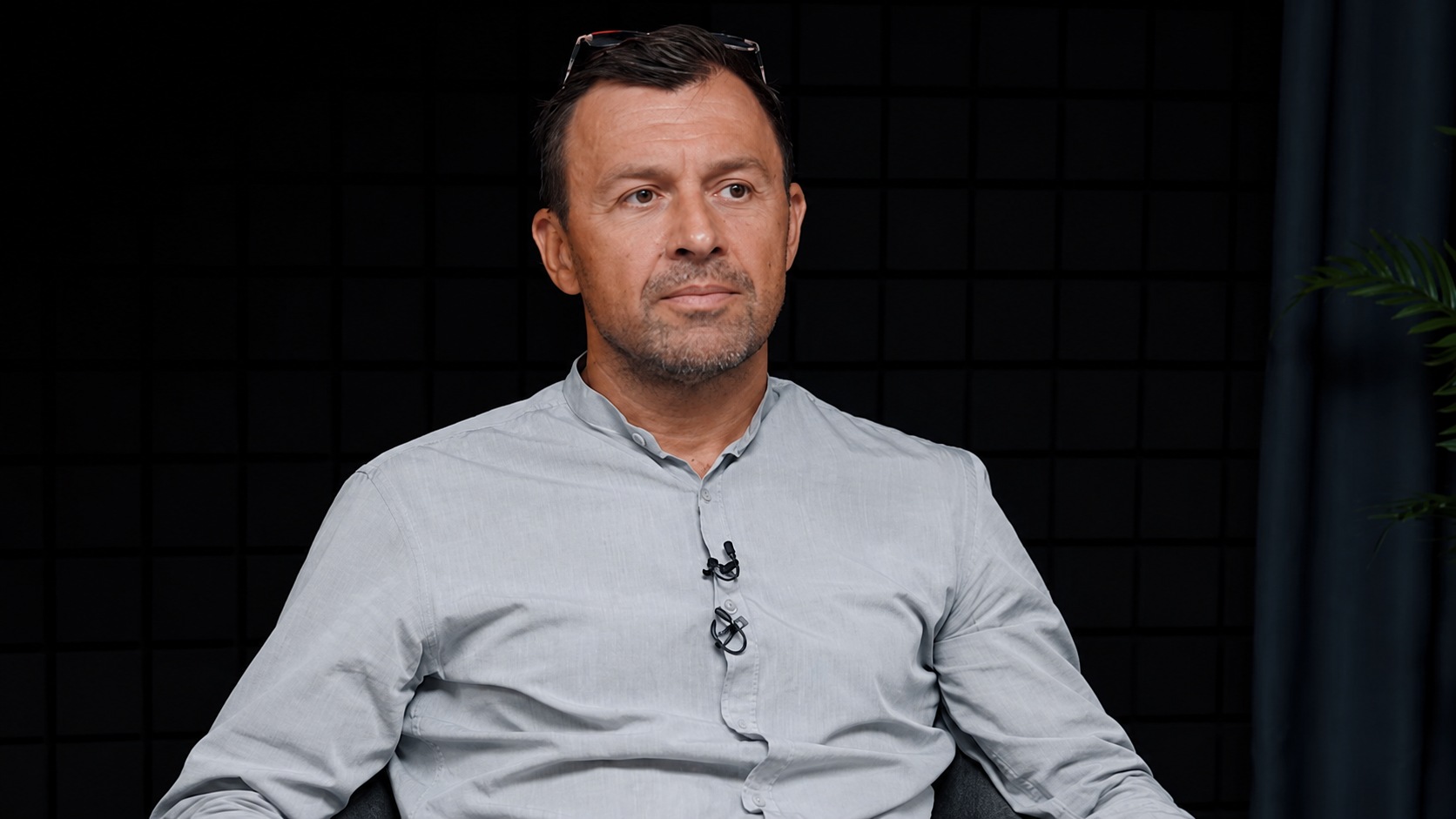
In the latest episode of the “Money of War” podcast on the LIGA Business YouTube channel, prominent Ukrainian financial expert Andrey Onistrat delivered a sobering analysis of Ukraine’s current economic situation. Drawing parallels to the devastating 1998 financial crisis that swept through Eastern Europe, Onistrat warned that the ongoing war with Russia has created conditions that could plunge Ukraine into a prolonged period of economic hardship and widespread poverty. His comments come at a critical juncture as Ukraine continues to defend itself against Russian aggression while simultaneously trying to maintain economic stability.
The fourth episode of the podcast series, which has become a must-watch for those tracking Ukraine’s wartime economy, featured an in-depth discussion about the systematic destruction of Ukrainian businesses by Russian forces. Since the full-scale invasion began in February 2022, thousands of enterprises across the country have been damaged or completely destroyed. Industrial facilities, agricultural operations, and small businesses alike have suffered immense losses, with some estimates suggesting that direct damage to Ukrainian infrastructure and businesses has exceeded hundreds of billions of dollars.
The 1998 Crisis Parallel and Current Economic Realities
Onistrat’s reference to the 1998 crisis carries significant weight for those who remember that turbulent period. The 1998 Russian financial crisis, which began with the devaluation of the ruble and a default on domestic debt, sent shockwaves throughout the former Soviet states, including Ukraine. The Ukrainian economy, still heavily interconnected with Russia at the time, experienced severe contractions, currency devaluation, and a dramatic drop in living standards. Banks collapsed, savings evaporated, and poverty rates soared. Now, more than 25 years later, Onistrat suggests that Ukraine faces similar systemic risks, though this time the causes are fundamentally different – rooted in military aggression rather than purely financial mismanagement.
The current situation presents a complex economic picture. Ukraine’s GDP contracted by approximately 29% in 2022, the first year of the full-scale invasion, marking one of the sharpest economic declines in the country’s modern history. While there has been some recovery since then, the economy remains heavily dependent on international financial assistance from Western allies, including the United States, European Union, and international financial institutions like the IMF. Government revenues have plummeted while defense spending has necessarily skyrocketed, creating enormous fiscal pressures that require continued foreign support to manage.
Business Destruction and the Path to Poverty
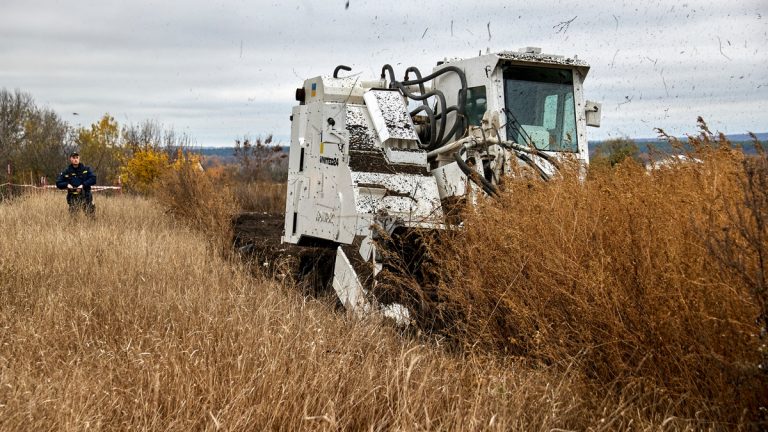
During the podcast, Onistrat elaborated on how Russian military operations have specifically targeted economic infrastructure, effectively weaponizing economic warfare alongside conventional military tactics. Power plants, grain storage facilities, ports, and manufacturing centers have all been struck, disrupting supply chains and eliminating employment opportunities for millions of Ukrainians. The port city of Mariupol, once a thriving industrial center, was reduced to ruins. The Azovstal steel plant, one of the largest metallurgical facilities in Europe, was destroyed along with countless other industrial enterprises in the Donbas region.
The human cost of this economic devastation extends far beyond statistics. Millions of Ukrainians have been displaced, both internally and abroad, disrupting the labor market and creating a brain drain as skilled workers seek safety and employment elsewhere. Small business owners who spent years building their enterprises have watched everything disappear overnight. The middle class, which had been growing steadily in the years before the invasion, has been severely weakened, with many families falling into poverty for the first time. Onistrat emphasized that rebuilding will require not just financial resources but also fundamental reforms and strategic planning to create a sustainable economic foundation for the future.
Looking Ahead: Recovery Challenges and International Support
Despite the grim assessment, Onistrat and other economic analysts note that Ukraine’s situation differs from 1998 in several important ways. International support remains strong, with Western nations committed to providing both military and economic assistance for as long as necessary. The European Union has formally accepted Ukraine as a candidate for membership, opening pathways for deeper economic integration and reconstruction funding. Additionally, Ukraine’s central bank has managed to maintain relative currency stability despite the enormous pressures, demonstrating improved institutional capacity compared to the chaotic 1990s.
The podcast series “Money of War” has become an important platform for discussing the economic dimensions of the conflict, which often receive less attention than military developments. Onistrat, known for his frank assessments and extensive experience in Ukrainian finance, continues to provide valuable insights for business leaders, policymakers, and ordinary citizens trying to navigate these unprecedented challenges. As Ukraine enters its fourth year of full-scale war, understanding the economic ramifications and planning for eventual recovery remains crucial for the nation’s long-term survival and prosperity.
Expert Opinion: The parallels to 1998 serve as a warning rather than a prediction – Ukraine’s economic resilience will ultimately depend on sustained Western support and the speed of post-war reconstruction efforts. However, the scale of business destruction suggests that even with substantial international aid, full economic recovery could take a decade or more, fundamentally reshaping Ukraine’s industrial landscape and social fabric in the process.