
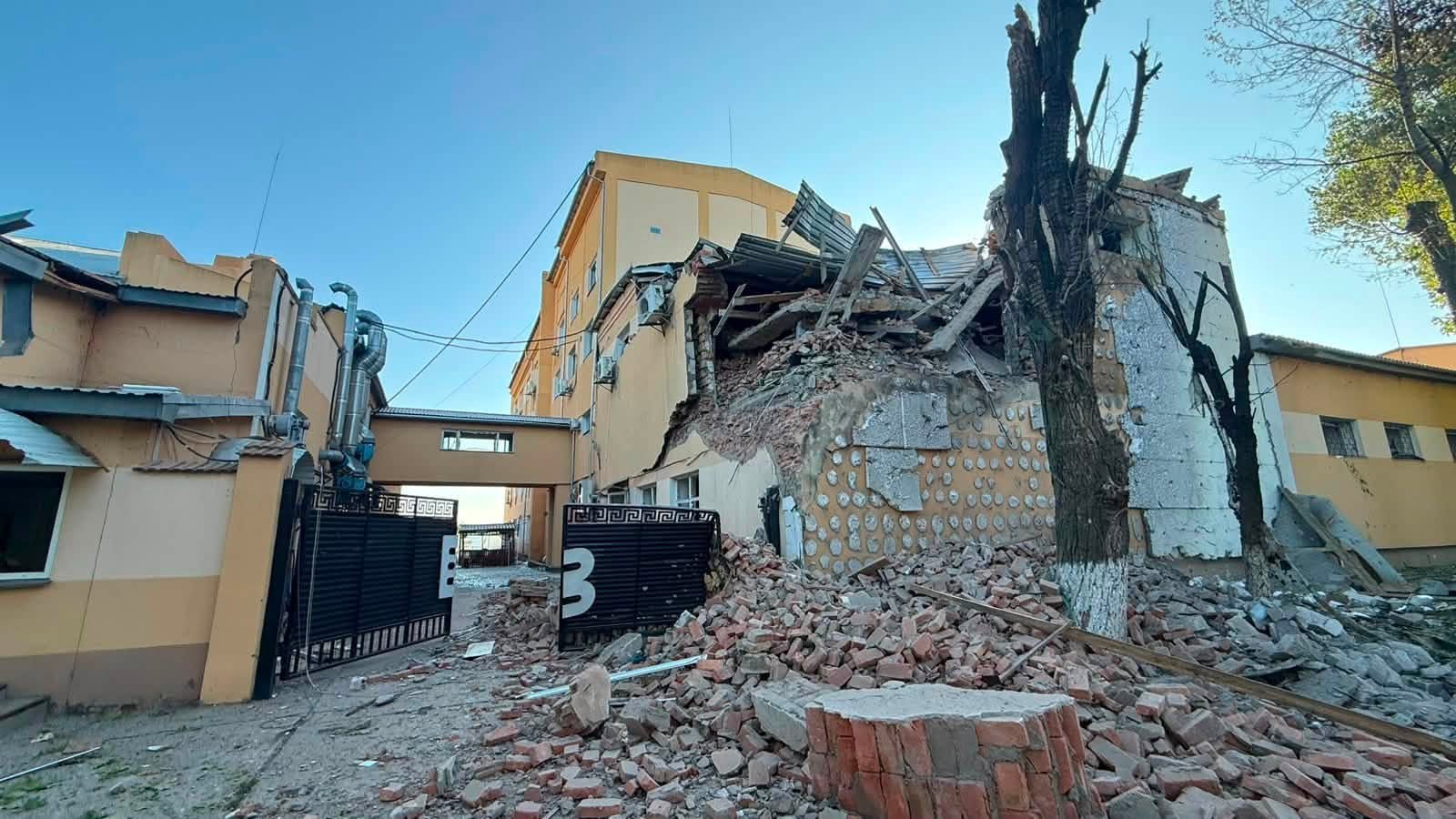
In yet another strike targeting Ukrainian civilian infrastructure, Russian forces have attacked the Belsta factory in Bilhorod-Dnistrovskyi, a facility known for manufacturing household footwear and slippers. The attack on this industrial enterprise represents a continuation of Moscow’s apparent strategy of targeting economic and civilian objects throughout Ukraine, raising further concerns among international observers about the deliberate destruction of the country’s manufacturing sector and the broader humanitarian implications of such strikes.
Bilhorod-Dnistrovskyi, located in the Odesa Oblast in southwestern Ukraine near the Black Sea coast, has been subjected to periodic attacks since the beginning of Russia’s full-scale invasion in February 2022. The city, with a population of approximately 48,000 people, holds significant historical importance as one of the oldest continuously inhabited cities in Ukraine, with roots dating back over 2,500 years to ancient Greek colonization. The targeting of civilian manufacturing facilities in such areas has drawn widespread condemnation from international human rights organizations and Western governments.
The Belsta Factory and Ukraine’s Domestic Manufacturing Industry
The Belsta factory has been a significant employer in the region, producing household slippers and indoor footwear for the Ukrainian domestic market. Founded during the Soviet era, the enterprise successfully transitioned to private ownership and continued operations throughout Ukraine’s independence, becoming a recognizable brand for affordable household footwear. The factory employed local workers and contributed to the regional economy of the Odesa Oblast, making it an important pillar of the local community’s economic stability.
Ukraine’s light manufacturing sector, which includes textile and footwear production, has faced unprecedented challenges since the beginning of the full-scale invasion. According to economic analysts, the country has lost approximately 30 percent of its industrial capacity due to Russian attacks, occupation of territories, and the displacement of workers. Factories producing consumer goods have been particularly vulnerable, as many lack the protective infrastructure that might shield them from aerial attacks or drone strikes.
Pattern of Attacks on Civilian Economic Infrastructure
The strike on the Belsta factory fits into a broader pattern of Russian attacks targeting Ukraine’s economic infrastructure. Throughout 2023 and 2024, Russian forces have systematically targeted not only energy facilities and transportation networks but also manufacturing plants, agricultural storage facilities, and commercial enterprises. International legal experts have noted that such attacks may constitute violations of international humanitarian law, which prohibits the deliberate targeting of civilian objects that do not contribute to military operations.
The United Nations and various humanitarian organizations have documented thousands of strikes on civilian infrastructure across Ukraine since February 2022. These attacks have resulted in significant economic damage, with the World Bank estimating Ukraine’s reconstruction needs at over $400 billion. The destruction of manufacturing facilities like Belsta not only eliminates jobs and economic output but also disrupts supply chains and forces Ukraine to rely more heavily on imports for basic consumer goods, further straining the wartime economy.
International Response and Humanitarian Concerns
The international community has repeatedly condemned Russian attacks on civilian infrastructure, with Western nations imposing extensive sanctions on Moscow in response to such actions. The European Union and United States have provided substantial military and economic assistance to Ukraine, partly aimed at helping the country protect its critical infrastructure and maintain economic functionality during the ongoing conflict. Human rights organizations continue to document these incidents, gathering evidence that may be used in future international legal proceedings.
Local authorities in Bilhorod-Dnistrovskyi have not yet released comprehensive information about casualties or the extent of damage to the Belsta facility. Emergency services responded to the scene, and investigations into the attack are ongoing. The strike serves as a stark reminder of the daily dangers faced by Ukrainian civilians and workers, even in areas relatively distant from the front lines. As the conflict continues into its third year, the cumulative impact of such attacks on Ukraine’s industrial base and civilian population remains a pressing humanitarian concern that demands sustained international attention and support.
Expert Opinion: Military analysts suggest that Russia’s targeting of seemingly low-priority civilian manufacturing facilities reflects a calculated strategy of economic attrition, designed to undermine Ukrainian morale and deplete resources needed for post-war reconstruction. This pattern indicates that Moscow views the systematic destruction of Ukraine’s productive capacity as a long-term strategic objective, making international efforts to document these attacks and hold perpetrators accountable increasingly critical for any future peace settlement.