
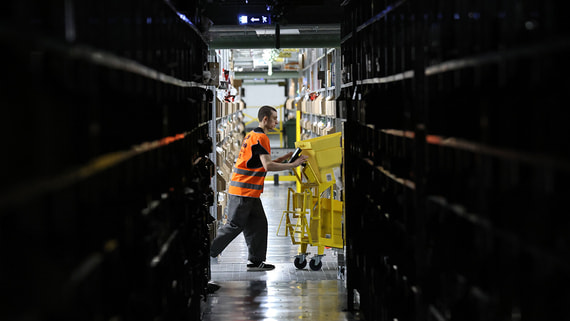
Russia’s largest online marketplace Wildberries is facing potentially catastrophic financial losses following coordinated attacks on two of its major logistics centers. The warehouses located in Elektrostal, Moscow Region, and Kotovsk, Tambov Region, have been completely shut down, with all merchandise removed from sale as the company assesses the full extent of the damage. Industry analysts suggest the total losses could climb into the tens of billions of rubles, marking one of the most significant disruptions in Russian e-commerce history.
The attacks have sent shockwaves through the Russian retail sector, raising serious questions about infrastructure security and supply chain resilience. Wildberries, which processes millions of orders daily and serves as a critical link between manufacturers and consumers across Russia and neighboring countries, now faces the enormous challenge of rerouting logistics operations while investigating the incidents. The company has not yet released official statements regarding the nature of the attacks or provided a timeline for resuming operations at the affected facilities.
Scale of Disruption to E-Commerce Operations
The Elektrostal logistics center represents one of Wildberries’ flagship distribution hubs, strategically positioned to serve the densely populated Moscow metropolitan area and surrounding regions. This facility alone handles hundreds of thousands of parcels daily during peak periods, making its closure particularly impactful for both sellers and buyers. The Kotovsk warehouse, while smaller, serves as a crucial node for distribution across southern and central Russia, meaning the combined shutdown affects a substantial portion of the company’s fulfillment network.
For the hundreds of thousands of sellers who rely on Wildberries as their primary sales channel, the warehouse closures present an existential threat. Many small and medium-sized businesses have built their entire operations around the marketplace model, storing inventory exclusively in Wildberries facilities. With goods now removed from sale and no clear indication of when normal operations will resume, these entrepreneurs face potential bankruptcy as cash flow dries up and customers turn to competitors.
Financial Impact and Market Consequences
Preliminary estimates suggesting damages in the tens of billions of rubles encompass not only the direct costs of destroyed or damaged merchandise but also the ripple effects throughout the supply chain. Insurance claims, contractual penalties, lost revenue, and the expense of rebuilding or relocating operations all contribute to the mounting financial burden. Wildberries, which merged with electronic payment system Russ in 2024 to form a retail conglomerate, had been aggressively expanding its logistics infrastructure, making this setback particularly ill-timed.
The Russian e-commerce market has experienced explosive growth over the past five years, with Wildberries emerging as the dominant player commanding approximately 40% market share. The company operates over 1,500 logistics points across Russia and maintains a presence in multiple countries including Belarus, Kazakhstan, Armenia, and Kyrgyzstan. This attack threatens to undermine consumer confidence not just in Wildberries but in the broader online retail ecosystem, potentially slowing the sector’s growth trajectory.
Security Concerns and Industry Response
The incidents have prompted urgent discussions about security protocols at major logistics facilities across Russia. E-commerce warehouses, which often store billions of rubles worth of merchandise in concentrated locations, represent attractive targets but have traditionally operated with security measures designed primarily for theft prevention rather than protection against coordinated attacks. Industry associations are now calling for enhanced security standards and government support for infrastructure protection.
Competing marketplaces such as Ozon and Yandex Market may temporarily benefit from the disruption as frustrated customers and sellers seek alternatives. However, industry observers note that the interconnected nature of Russian e-commerce means that instability at one major player ultimately affects the entire ecosystem. Supply chain disruptions, seller migrations, and shifts in consumer behavior could take months or even years to fully manifest and resolve.
Expert Opinion: This incident exposes critical vulnerabilities in centralized logistics infrastructure that the entire Russian e-commerce sector must address. We expect to see significant investment in distributed fulfillment networks and enhanced security measures across the industry. The long-term impact will likely accelerate the trend toward regional warehouse diversification, though Wildberries’ market position should ultimately recover within 12-18 months assuming no further incidents occur.