The majority of travelers who had originally planned to visit Crimea this summer have opted to redirect their vacation plans to alternative destinations rather than cancel their holidays entirely. According to recent tourism industry data, only 15 percent of tourists who changed their Crimea travel arrangements did so without booking trips elsewhere, indicating a resilient demand for summer getaways despite shifting travel patterns in the region.
This trend reflects broader changes in Russian domestic tourism, where travelers are demonstrating flexibility in their vacation planning while maintaining their commitment to summer leisure activities. The statistics suggest that rather than abandoning travel plans altogether, most vacationers are simply choosing different destinations within Russia or exploring new international options that have become available.
Shifting Patterns in Russian Domestic Tourism
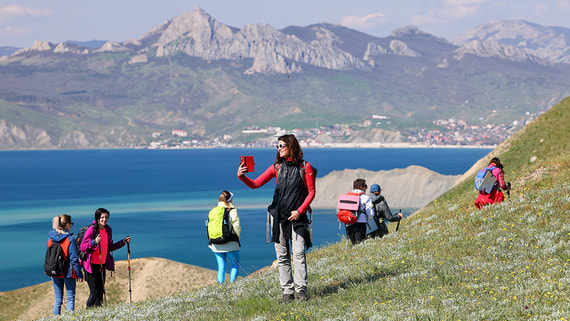
The Russian tourism industry has undergone significant transformations in recent years, with domestic travel becoming increasingly important as international options have fluctuated. Crimea, which became part of Russia in 2014, had established itself as one of the most popular summer destinations for Russian tourists, known for its Black Sea beaches, historical sites, and relatively affordable vacation packages. The peninsula typically attracted millions of visitors annually during peak summer months.
However, various factors including infrastructure challenges, transportation logistics, and regional security considerations have prompted some travelers to reconsider their destination choices. Popular alternatives include the Krasnodar region, particularly Sochi and Anapa, which offer similar Black Sea coastline experiences with different accessibility options. Additionally, destinations like Kaliningrad, the Altai region, and various locations along the Caspian Sea have seen increased interest from Russian vacationers seeking domestic travel experiences.
Tourism Industry Adaptation and Response
Travel agencies and tour operators have responded to changing demand patterns by expanding their offerings in alternative destinations. Industry experts note that the relatively low percentage of complete cancellations demonstrates the underlying strength of Russian domestic tourism demand. Tour operators have been actively promoting package deals to various regions, emphasizing comparable amenities and experiences to those traditionally associated with Crimean resorts.
The tourism sector has also invested in improving infrastructure and services at alternative destinations to accommodate the redirected traveler flow. Hotels, restaurants, and entertainment venues in competing resort areas have reported increased bookings, suggesting that the tourism spending is being redistributed rather than lost entirely. This redistribution has created economic opportunities for regions that may have previously been overshadowed by Crimea’s popularity.
Economic Implications and Future Outlook
The data carries significant economic implications for both Crimea and the broader Russian tourism industry. While Crimea faces the challenge of reduced visitor numbers, the overall domestic tourism sector appears to be maintaining its vitality through geographic diversification. Economists note that consumer willingness to substitute destinations rather than cancel vacations entirely indicates healthy underlying demand for leisure travel services.
Looking ahead, tourism industry analysts suggest that travel patterns will continue to evolve based on factors including transportation infrastructure development, pricing competitiveness, and regional marketing efforts. The ability of various destinations to capture market share from traditional resort areas will likely depend on their capacity to offer comparable experiences at competitive prices while ensuring convenient access for travelers from major population centers.
Expert Opinion: The 85% redirection rate demonstrates remarkable resilience in Russian domestic tourism demand, suggesting that travelers prioritize vacation experiences over specific destinations. This behavioral pattern indicates that regions investing in tourism infrastructure and marketing could capture significant market share in coming years. The long-term outlook suggests continued geographic diversification of Russian domestic tourism, with multiple coastal and resort regions competing for the substantial summer travel market.