
In a significant policy development, Russian authorities have decided that digital platforms and online marketplaces will not be designated as strategic industries. This decision means that transactions involving foreign investors in these sectors will no longer require mandatory approval from the government commission that oversees foreign investments. The move signals a notable shift in how Russia approaches regulation of its rapidly growing digital economy, potentially opening doors for increased international participation in one of the country’s most dynamic business sectors.
Understanding the Strategic Industries Framework
Russia’s strategic industries framework was established to protect sectors deemed critical to national security and economic sovereignty. Under existing legislation, foreign investors seeking to acquire stakes in companies operating in strategic sectors must obtain approval from a special government commission. This commission, which includes representatives from various ministries and security agencies, evaluates whether proposed transactions could pose risks to national defense, state security, or critical infrastructure. Industries traditionally classified as strategic include defense, nuclear energy, aerospace, and telecommunications infrastructure.
The decision to exclude digital platforms and marketplaces from this list reflects a pragmatic approach to balancing security concerns with economic development goals. Russian e-commerce has experienced explosive growth in recent years, with the market reaching approximately 6 trillion rubles in 2023. Major players like Wildberries, Ozon, and Yandex Market have transformed consumer behavior across the country, particularly in remote regions where traditional retail options remain limited. By keeping these platforms outside the strategic classification, regulators appear to be prioritizing continued investment and innovation in the sector.
Implications for Foreign Investment
The practical implications of this policy decision are substantial for both domestic companies and international investors. Without the requirement for government commission approval, foreign entities can pursue acquisitions, partnerships, and investment deals with significantly reduced bureaucratic hurdles. The approval process for strategic industry transactions can take months and involves extensive documentation, security reviews, and sometimes politically sensitive negotiations. Eliminating this requirement for digital platforms could accelerate deal-making and attract fresh capital to the sector.
However, experts note that this does not mean the digital sector will operate entirely without oversight. Other regulatory mechanisms, including antimonopoly review processes and sector-specific regulations governing data protection and consumer rights, will continue to apply. Additionally, companies handling sensitive personal data or providing services to government entities may still face scrutiny under different legislative frameworks. The Russian government has been increasingly focused on data sovereignty issues, requiring that personal data of Russian citizens be stored on servers located within the country.
Market Context and Future Outlook
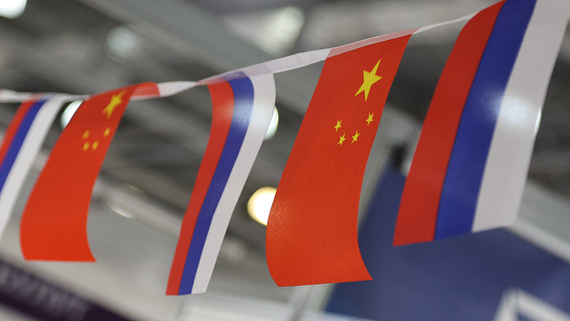
This regulatory clarification comes at a time when Russia’s digital economy faces both challenges and opportunities. International sanctions have complicated relationships with some Western technology providers, pushing domestic platforms to develop indigenous solutions and forge new partnerships with companies from Asia, the Middle East, and other regions. Chinese e-commerce giants and investors have shown particular interest in the Russian market, seeing potential for collaboration and expansion.
The decision also reflects lessons learned from the pandemic period, when digital platforms proved essential for maintaining economic activity during lockdowns. Policymakers observed how quickly Russians adapted to online shopping, digital services, and remote work technologies. Rather than constraining this sector with additional regulatory burdens, the government appears to have concluded that facilitating its growth serves broader economic interests. Industry analysts suggest this approach could help Russian marketplaces compete more effectively on the international stage while attracting the technical expertise and capital needed for continued development.
Expert Opinion: This regulatory decision represents a calculated bet by Russian authorities that the economic benefits of an open digital marketplace sector outweigh potential security concerns from foreign participation. As geopolitical tensions reshape global investment patterns, Russia’s digital platforms may increasingly look eastward for capital and partnerships, potentially accelerating the development of alternative e-commerce ecosystems that operate independently of Western-dominated supply chains. The coming years will reveal whether this lighter regulatory touch translates into sustained growth and innovation in Russia’s digital economy.