
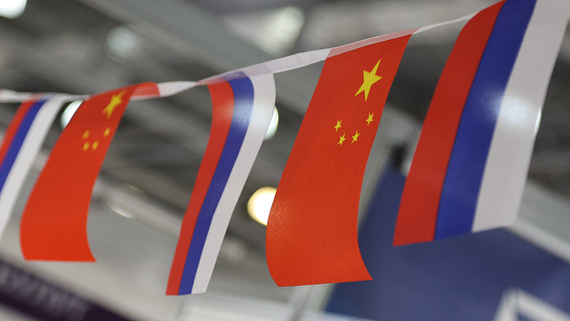
In a significant development for bilateral trade relations, China has announced the establishment of a new certification authority designed to streamline the approval process for manufacturers seeking to export their products to Russia. This initiative represents a strategic response to the growing demand for efficient trade mechanisms between the two nations, as Western sanctions continue to reshape global commerce patterns. The new certification body will conduct inspections directly at manufacturing facilities, dramatically reducing the time and bureaucratic hurdles traditionally associated with export certification procedures.
Streamlined On-Site Certification Process
The newly established certification organization marks a departure from conventional approval methods that often required manufacturers to navigate complex bureaucratic channels across multiple agencies. Under the new system, certification specialists will travel directly to Chinese production facilities to conduct comprehensive inspections, verify quality standards, and issue necessary documentation on-site. This approach is expected to reduce certification timelines from several months to just weeks, providing Chinese manufacturers with a significant competitive advantage in accessing the Russian market. The initiative addresses longstanding complaints from exporters about delays and inefficiencies in the traditional certification process.
Industry experts note that this development reflects the deepening economic integration between China and Russia, which has accelerated dramatically since 2022. According to official trade statistics, bilateral trade between the two nations exceeded $240 billion in 2024, representing a historic high and a substantial increase from pre-2022 levels. The new certification mechanism is expected to further boost these figures by removing technical barriers that have previously hindered smaller and medium-sized manufacturers from entering the Russian market.
Strategic Implications for Sino-Russian Trade Relations
The establishment of this certification body comes at a critical juncture in global trade dynamics. As Western nations have imposed extensive sanctions on Russia, Chinese manufacturers have increasingly filled supply gaps across numerous sectors, from consumer electronics to industrial machinery. However, the rapid expansion of trade has also exposed bottlenecks in certification and compliance procedures, which the new initiative aims to address. Russian importers have frequently cited certification delays as a major obstacle to establishing reliable supply chains with Chinese partners, particularly for technical products requiring safety and quality attestations.
Historical context reveals that certification cooperation between China and Russia has evolved significantly over the past decade. Previous bilateral agreements focused primarily on mutual recognition of certain standards, but implementation remained fragmented and inconsistent. The new approach represents a more integrated model, where Chinese authorities work in direct coordination with Russian regulatory requirements to ensure seamless market access. This level of cooperation is unprecedented in the history of Sino-Russian trade relations and signals a commitment to long-term economic partnership that extends beyond immediate geopolitical considerations.
Impact on Manufacturing Sectors and Export Growth
The accelerated certification process is expected to benefit a wide range of Chinese manufacturing sectors, including automotive components, household appliances, construction materials, and food products. Small and medium-sized enterprises, which previously lacked the resources to navigate complex export certification requirements, stand to gain the most from the streamlined procedures. Industry associations in China have welcomed the initiative, noting that it removes a significant barrier to market entry that had previously favored only the largest corporations with dedicated compliance departments and established relationships with certification bodies.
Russian business representatives have similarly expressed optimism about the new arrangement, emphasizing that faster certification will enable more responsive supply chain management and reduce inventory costs associated with lengthy approval processes. The timing of this initiative coincides with Russia’s broader efforts to diversify its import sources and reduce dependence on parallel import schemes that carry higher costs and legal uncertainties. By establishing formal, efficient certification channels, both nations are working to normalize trade relations and create sustainable commercial partnerships.
Expert Opinion: This certification initiative represents more than administrative reform—it signals a structural shift in how China and Russia approach economic integration. As Western markets become increasingly inaccessible for Russian consumers and Chinese manufacturers face overcapacity concerns domestically, expect accelerated development of parallel trade infrastructure that could permanently reshape Eurasian commerce patterns over the next decade.