Russian consumers are increasingly turning to retail chains for their hot beverage needs, driving sales at major retailers to nearly double over the past year. This significant shift in consumer behavior reflects broader economic pressures affecting household spending decisions, as budget-conscious shoppers seek more affordable alternatives to traditional coffee shops and cafes. The trend marks a fundamental change in how Russians approach their daily coffee and tea consumption, with convenience stores and supermarkets emerging as preferred destinations for affordable hot drinks.
The economic factors driving this transformation are multifaceted. With inflation affecting everyday purchases and disposable incomes under pressure, Russian consumers have become more strategic about their spending habits. A cup of coffee at a retail chain typically costs a fraction of what specialty coffee shops charge, making it an attractive option for those looking to maintain their caffeine habits without straining their budgets. Industry analysts note that this price sensitivity has accelerated a trend that was already emerging before recent economic challenges intensified.
The Economics Behind the Beverage Migration
The price differential between retail chains and traditional coffee establishments has become increasingly significant for Russian consumers. While a standard latte at a popular coffee chain might cost between 250 and 400 rubles, similar beverages at retail outlets often sell for 80 to 150 rubles. This substantial gap represents meaningful savings for daily coffee drinkers, potentially amounting to thousands of rubles per month for regular consumers. Major retail networks have capitalized on this opportunity by investing in better coffee equipment, expanding their hot beverage offerings, and improving the overall quality of their products to attract discerning customers.
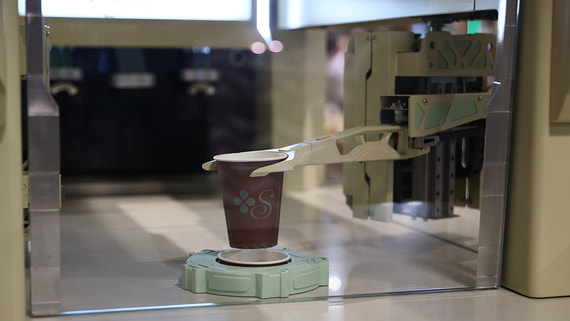
Russian retail giants have responded to this demand surge by significantly upgrading their coffee infrastructure. Many stores have installed professional-grade espresso machines and expanded their menu options to include specialty drinks that were previously available only at dedicated coffee shops. This investment strategy has proven successful, with foot traffic to beverage stations increasing substantially and contributing to overall store profitability. The convenience factor also plays a crucial role, as consumers can purchase their morning coffee while completing their regular grocery shopping, saving both time and money in a single trip.
Historical Context and Market Evolution
The Russian coffee market has undergone remarkable transformation over the past two decades. Following the Soviet era, when tea dominated beverage consumption, coffee culture gradually took root in major cities during the 1990s and 2000s. International coffee chains entered the market, introducing Russians to espresso-based drinks and creating a new culture of coffee consumption. However, the current economic environment has prompted a reassessment of spending priorities, with consumers seeking the same products at lower price points. This evolution mirrors trends observed in other markets during economic downturns, where value-oriented options gain market share at the expense of premium alternatives.
Industry experts suggest that this shift may have lasting implications for the Russian beverage market. Traditional coffee shops are facing increased competition not only from retail chains but also from the growing prevalence of office coffee machines and home brewing equipment. Some analysts predict that coffee shops will need to differentiate themselves through enhanced experiences, premium offerings, or loyalty programs to retain their customer base. The market is witnessing a bifurcation, with budget-conscious consumers gravitating toward retail options while premium coffee shops focus on experience-driven customers willing to pay for ambiance and specialized service.
Future Outlook and Industry Adaptation
Looking ahead, market observers anticipate continued growth in retail hot beverage sales as economic pressures persist. Retail chains are expected to further expand their offerings, potentially introducing seasonal specials, loyalty programs, and improved beverage quality to capture additional market share. Meanwhile, traditional coffee shops are exploring various strategies to remain competitive, including smaller format stores, grab-and-go concepts, and partnerships with delivery services. The Russian beverage landscape is clearly in flux, with consumer preferences being reshaped by economic realities and the retail sector’s responsive innovations.
Expert Opinion: This consumer migration toward retail beverage purchases represents a structural shift rather than a temporary phenomenon. Even when economic conditions improve, many consumers who have discovered the value proposition of retail coffee may not return to their previous spending patterns at coffee shops. Retail chains that continue investing in beverage quality and variety are positioned to retain this expanded customer base long-term, fundamentally altering the competitive dynamics of Russia’s hot beverage market.