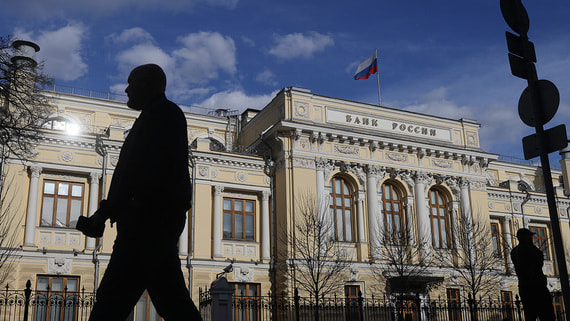
According to the latest consensus forecast published by Vedomosti, Russia’s Central Bank is widely expected to maintain its key interest rate at the current level of 21% during its upcoming July meeting. The decision reflects the regulator’s cautious approach as it monitors the evolving impact of multiple economic pressures, including a developing fuel crisis and growing budget deficit concerns on consumer prices. This pause in the monetary tightening cycle suggests that policymakers are seeking more time to assess the full scope of economic challenges facing the Russian economy before making further adjustments to borrowing costs.
Economic Factors Driving the Rate Decision
The Russian Central Bank finds itself navigating an increasingly complex economic landscape in 2024. The ongoing fuel crisis, which has seen periodic shortages and price spikes across various regions, continues to exert upward pressure on inflation. Simultaneously, the federal budget deficit has expanded significantly due to increased military spending and various social programs, creating additional inflationary concerns that monetary authorities must carefully consider. These twin challenges have complicated the central bank’s task of bringing inflation back toward its 4% target while avoiding unnecessary damage to economic growth.
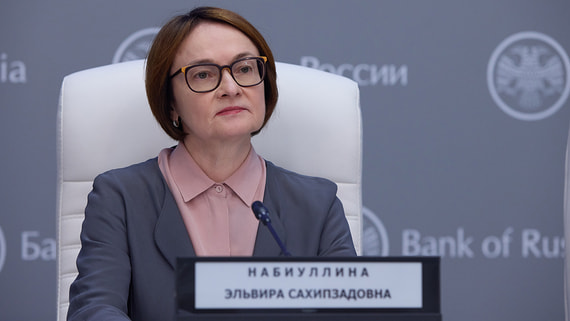
Analysts surveyed by Vedomosti note that the current 21% key rate already represents one of the highest levels in recent Russian monetary history. The aggressive tightening cycle that began in mid-2023 was designed to combat inflation that surged well above the central bank’s comfort zone. Governor Elvira Nabiullina has repeatedly emphasized the regulator’s commitment to price stability, even at the cost of slower economic expansion. However, maintaining such elevated rates for an extended period carries its own risks, including potential stress on corporate borrowers and a slowdown in consumer lending.
Historical Context and Monetary Policy Trajectory
The Russian Central Bank has demonstrated a willingness to use aggressive monetary policy tools throughout its recent history. During the 2014-2015 currency crisis, the regulator famously raised rates to 17% in a dramatic overnight decision to defend the ruble. The current situation, while different in its origins, has required similarly decisive action. Since July 2023, the key rate has been raised multiple times from a relatively modest 7.5% to the current 21%, representing one of the most aggressive tightening cycles in emerging market economies globally.
Market participants and economic forecasters are closely watching several key indicators that could influence future rate decisions. Consumer price inflation, while showing some signs of moderation, remains elevated compared to the central bank’s stated objectives. The labor market continues to show tightness, with unemployment at historic lows, which typically supports wage growth and can contribute to sustained inflationary pressure. Additionally, the ruble’s exchange rate volatility adds another layer of complexity to the monetary policy calculus, as currency weakness can quickly translate into higher import prices.
Market Expectations and Future Outlook
Financial markets have largely priced in the expectation of unchanged rates in July, with bond yields and forward rate agreements reflecting the consensus view. However, economists remain divided on the trajectory of monetary policy in the second half of 2024 and into 2025. Some analysts believe that if inflation shows convincing signs of deceleration, the central bank could begin a gradual easing cycle before year-end. Others caution that persistent structural factors, including labor shortages and ongoing geopolitical uncertainties, may require maintaining restrictive policy settings for longer than previously anticipated.
The central bank’s communication strategy will be closely scrutinized following the July meeting. Market participants will parse every word of the accompanying statement and Governor Nabiullina’s press conference for signals about future policy direction. The regulator has previously indicated that it will need to see sustained evidence of declining inflation before considering rate cuts, suggesting that any policy pivot remains contingent on incoming economic data rather than predetermined timelines.
Expert Opinion: The Central Bank of Russia faces a delicate balancing act between controlling inflation and supporting economic activity under challenging circumstances. Given the persistence of supply-side pressures and fiscal expansion, the 21% rate is likely to remain in place through at least the third quarter of 2024. Market participants should prepare for an extended period of tight monetary conditions, with any meaningful easing cycle unlikely to begin before concrete evidence emerges that inflationary pressures have durably subsided.