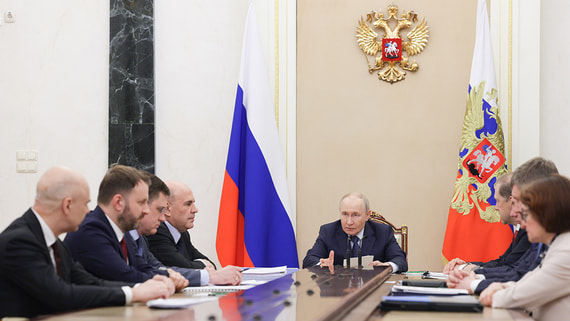
Russian President Vladimir Putin has instructed business leaders and government officials to prepare comprehensive initiatives aimed at kickstarting a new investment cycle in the country’s economy. The proposals are expected to be presented at the upcoming Strategic Development Council meeting scheduled for August 2025. This directive comes at a critical juncture for the Russian economy, which faces significant challenges including high interest rates, international sanctions pressure, and the need to restructure supply chains and develop domestic production capabilities across multiple sectors.
The business community has been actively engaged in discussions about what measures would be most effective in stimulating private investment and economic growth. Industry representatives have emphasized that creating favorable conditions for long-term capital deployment requires a coordinated approach involving monetary policy adjustments, regulatory reforms, and targeted government support programs. The upcoming council meeting is expected to serve as a platform for presenting concrete proposals that could shape economic policy for the coming years.
Current Economic Challenges and Investment Climate
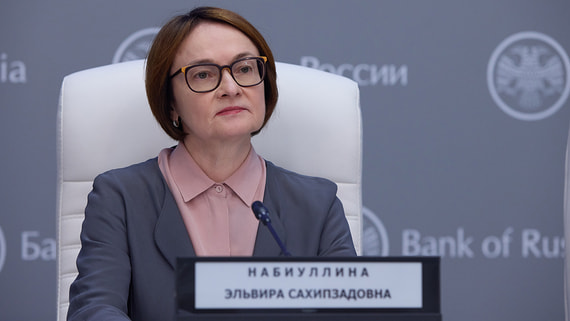
The Russian economy currently operates under considerable strain, with the Central Bank of Russia maintaining elevated key interest rates to combat inflation. As of mid-2025, borrowing costs remain at historically high levels, which has significantly dampened business appetite for new capital investments. Many enterprises report that current financing conditions make long-term investment projects economically unviable, leading to postponement of expansion plans and modernization initiatives across various industries.
International sanctions continue to reshape the Russian business landscape, forcing companies to seek alternative suppliers, develop import substitution strategies, and explore new export markets. This transformation has created both challenges and opportunities, with some sectors experiencing rapid growth as they fill gaps left by departing foreign companies. The government has implemented various support measures, including subsidized lending programs and tax incentives, but business leaders argue that more comprehensive action is needed to sustain momentum and attract private capital into strategic sectors.
Key Proposals from the Business Community
Among the measures being discussed, business associations have highlighted several priority areas. These include proposals for preferential tax treatment of reinvested profits, expanded access to long-term financing at below-market rates for strategic industries, and streamlined regulatory procedures for major investment projects. Representatives from the manufacturing sector have particularly emphasized the need for predictable regulatory frameworks that allow for multi-year planning horizons, noting that investment decisions in capital-intensive industries require stability spanning five to ten years or more.
The technology and innovation sectors have called for increased government support for research and development activities, including expanded tax credits for R&D expenditures and the creation of specialized investment vehicles focused on high-tech startups. Additionally, infrastructure development remains a top priority, with business leaders arguing that improved transportation networks, energy infrastructure, and digital connectivity are essential prerequisites for attracting private investment into regional economies outside major metropolitan areas. Some proposals also address labor market challenges, including measures to improve workforce training and attract skilled professionals to priority industries.
Historical Context and Future Outlook
Russia has experienced several investment cycles over the past three decades, with periods of rapid capital accumulation followed by contractions triggered by various economic and geopolitical factors. The most recent sustained investment growth occurred between 2017 and 2021, when relatively stable macroeconomic conditions and moderate interest rates encouraged business expansion. The Strategic Development Council, established as a key advisory body for long-term economic planning, has historically played an important role in coordinating government and business efforts to address structural challenges in the economy.
Looking ahead, economists suggest that launching a new investment cycle will require careful balancing of multiple policy objectives. While stimulating investment is crucial for economic modernization and growth, policymakers must also maintain macroeconomic stability and control inflation. The August council meeting is expected to produce actionable recommendations that could influence budget planning for 2026 and beyond, potentially including new government programs and legislative initiatives designed to improve the investment climate and support priority economic sectors in the years ahead.
Expert Opinion: The success of Russia’s new investment cycle will largely depend on whether authorities can achieve a sustainable reduction in interest rates while maintaining inflation control—a delicate balance that requires careful coordination between fiscal and monetary policy. Given current geopolitical realities, the most promising investment opportunities are likely to emerge in import substitution industries, technology localization, and infrastructure development, where government support and market demand create natural alignment for private capital deployment.