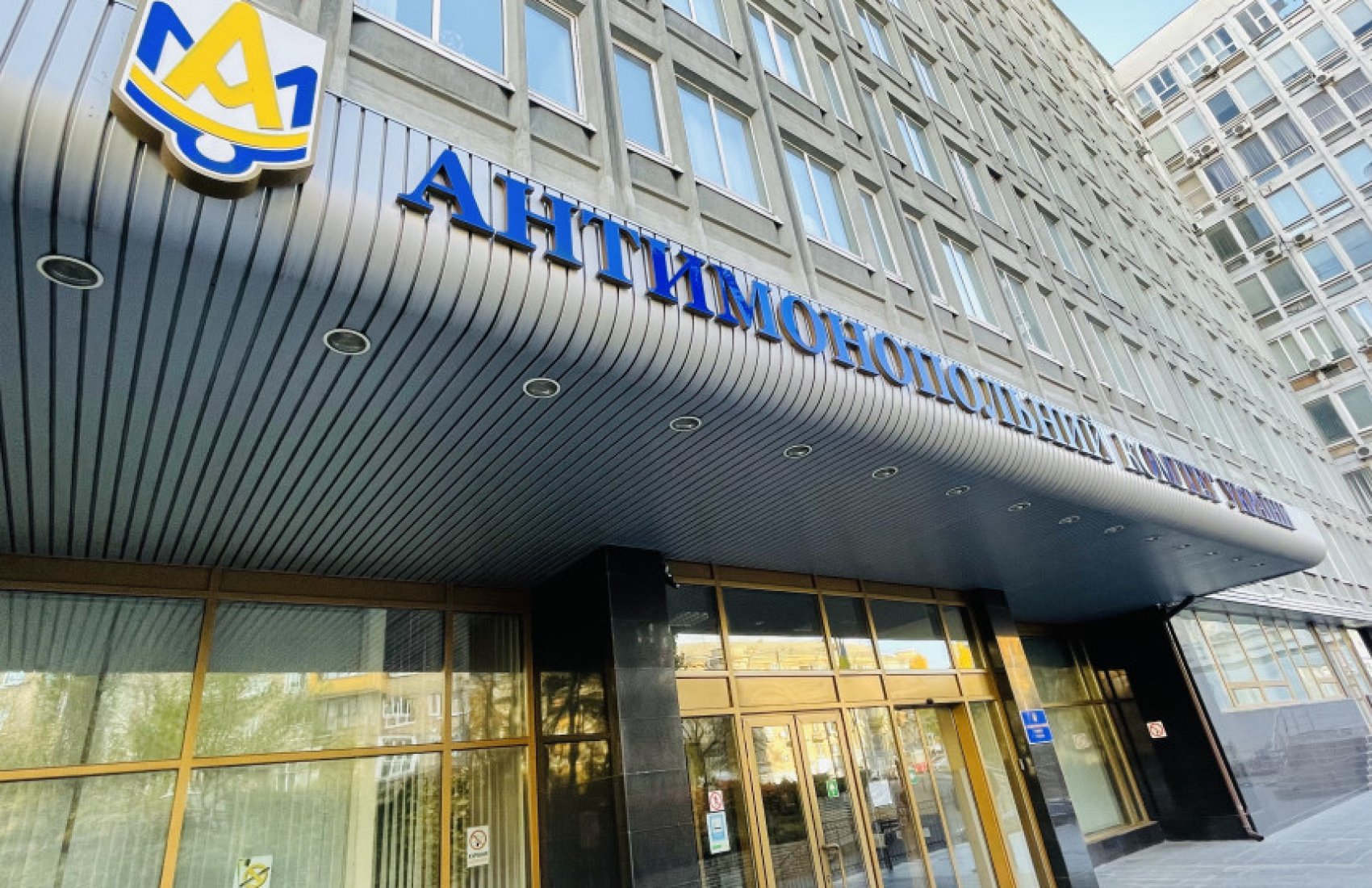
Ukraine’s Antimonopoly Committee (AMCU) has concluded a significant investigation into anticompetitive practices in the country’s energy sector, finding that two companies engaged in coordinated bid manipulation during procurement tenders organized by the state-owned gas extraction company Ukrgazvydobuvannya. The investigation revealed that LLC “Nova Interprise” and LLC “Trading Pipe Company” violated competition law by colluding to divide tender contracts and artificially inflate prices, ultimately costing Ukrainian taxpayers millions of hryvnias. The combined penalties imposed on both companies exceeded 50 million UAH, marking one of the more substantial enforcement actions by the antitrust regulator in recent months.
The scheme involved systematic coordination between the two companies during public procurement procedures for industrial equipment and materials supplied to Ukrgazvydobuvannya, Ukraine’s largest natural gas extraction enterprise. Investigators found compelling evidence that the firms had agreed in advance which company would submit the winning bid for specific tenders, while the other would either abstain from participating or submit deliberately uncompetitive offers. This type of collusion, known as bid-rigging or tender manipulation, is considered one of the most harmful forms of anticompetitive behavior because it directly undermines the purpose of competitive procurement processes.
The Mechanics of the Bid-Rigging Scheme
According to the AMCU’s detailed findings, the two companies established a pattern of coordinated behavior that extended across multiple procurement procedures over a sustained period. The evidence gathered by investigators included communication records, bidding pattern analysis, and financial documentation that demonstrated the companies were not competing independently but rather operating as a single coordinated entity designed to maximize profits at the expense of the state buyer. In several instances, the companies submitted nearly identical bid documentation with only minor variations, a telltale sign of coordination that antitrust investigators commonly identify in cartel cases.
The industrial supply sector in Ukraine’s oil and gas industry has been particularly vulnerable to such schemes due to the specialized nature of the equipment involved and the relatively small number of qualified suppliers. Ukrgazvydobuvannya, which accounts for approximately 75% of Ukraine’s domestic natural gas production, conducts hundreds of procurement procedures annually for everything from drilling equipment to pipeline components. This creates numerous opportunities for unscrupulous suppliers to exploit the system through coordinated bidding strategies. The current case demonstrates that even well-established procurement systems can be manipulated when market participants choose collusion over competition.
Broader Implications for Public Procurement Integrity
The AMCU’s enforcement action comes at a critical time for Ukraine, as the country continues to strengthen its institutional frameworks for combating corruption and ensuring transparent public spending. International partners, including the European Union and International Monetary Fund, have emphasized the importance of robust competition enforcement as a cornerstone of economic reform. Bid-rigging in public procurement is estimated to inflate contract prices by 15-30% on average, according to studies by the Organisation for Economic Co-operation and Development, meaning that effective detection and prosecution of such schemes can generate significant savings for state budgets.
The 50 million UAH penalty represents a substantial deterrent, though experts note that effective competition enforcement requires both meaningful financial consequences and the certainty of detection. The AMCU has been increasingly active in investigating procurement-related violations, employing sophisticated data analysis techniques to identify suspicious bidding patterns across thousands of tender procedures. This particular case will likely serve as a precedent for future investigations in the energy sector, where the high value of contracts and technical complexity of goods create conditions conducive to collusive arrangements. Both companies have the right to appeal the decision in administrative courts, though historically, the AMCU’s findings in bid-rigging cases have been largely upheld upon judicial review.
Looking Forward: Strengthening Market Competition
The investigation’s successful conclusion demonstrates the growing capacity of Ukrainian regulatory institutions to tackle sophisticated economic crimes. However, challenges remain in ensuring that all market participants adhere to fair competition principles. Industry observers suggest that Ukrgazvydobuvannya and other major state enterprises should implement enhanced supplier verification procedures and consider using artificial intelligence tools to detect bidding anomalies in real-time. The broader goal is to create a procurement environment where genuine competition drives down prices and improves quality, ultimately benefiting both the state and Ukrainian citizens who depend on reliable energy supplies.
Expert Opinion: This enforcement action signals that Ukraine’s competition authorities are becoming more sophisticated in detecting cartel behavior in strategic industries. The substantial fine amount indicates a shift toward penalties that genuinely deter collusion rather than merely representing a cost of doing business. Going forward, we can expect the AMCU to expand its use of digital forensics and algorithmic detection methods, potentially uncovering similar schemes across other sectors of the economy where public procurement plays a significant role.