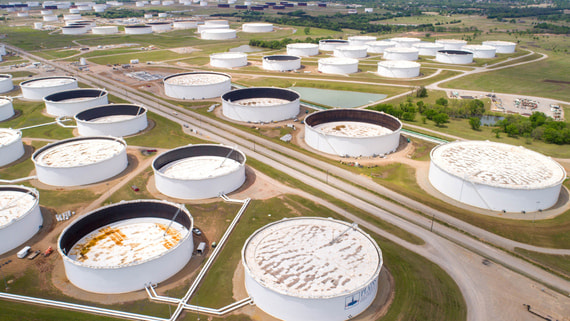
As geopolitical tensions in the Middle East continue to shape global energy markets, analysts at Russia’s largest financial institution Sberbank are forecasting a prolonged period of elevated oil demand once the current conflicts subside. According to their assessment, nations worldwide will need to replenish their strategic petroleum reserves, creating a sustained deficit in global oil markets that could support prices well beyond the immediate crisis period.
This phenomenon, often referred to as a demand “tail” in commodities trading, occurs when the aftermath of supply disruptions or geopolitical crises generates additional market activity as countries rush to rebuild depleted stockpiles. The prediction comes at a time when global oil markets remain highly sensitive to developments in the Middle East, a region that accounts for approximately one-third of the world’s crude oil production.
Strategic Reserve Dynamics and Market Implications
The concept of strategic petroleum reserves has become increasingly important in global energy security calculations. Major oil-consuming nations, including the United States, China, Japan, and European Union members, maintain substantial emergency stockpiles designed to buffer against supply disruptions. During periods of crisis or elevated prices, these countries often draw down reserves to stabilize domestic markets, creating a future need for replenishment that can extend demand cycles well beyond the original disruption.
Historical precedent supports Sber’s analysis. Following the 1990-1991 Gulf War, global oil markets experienced an extended period of elevated demand as nations rebuilt their strategic reserves. Similarly, after the 2011 Libyan civil war disrupted North African oil supplies, consuming nations spent several years gradually restoring stockpile levels. The International Energy Agency, which coordinates emergency oil sharing among developed nations, has noted that reserve replenishment cycles typically last 18 to 36 months following major drawdowns.
Current Middle East Situation and Energy Market Response
The ongoing conflicts in the Middle East have created persistent uncertainty in global energy markets. The region’s critical importance to oil supply chains cannot be overstated, with major producers including Saudi Arabia, Iran, Iraq, and the United Arab Emirates collectively controlling vast reserves and significant daily production capacity. Any disruption to shipping routes through the Strait of Hormuz or the Red Sea has immediate implications for global oil flows and prices.
Energy market analysts have observed that current geopolitical tensions have already prompted some nations to accelerate reserve acquisitions, while others have released stockpiles to moderate domestic fuel prices. This dynamic creates complex market conditions where immediate supply concerns overlap with longer-term positioning strategies. Sber’s forecast suggests that once active conflicts conclude, the accumulated need for reserve replenishment across multiple nations will generate sustained demand pressure.
Broader Economic Implications and Industry Outlook
The anticipated demand tail has significant implications for oil-producing nations, energy companies, and the broader global economy. For producers, an extended period of elevated demand could support investment in new production capacity and provide fiscal stability. For consuming nations, the forecast suggests that relief from high energy prices may be slower to materialize than historical patterns might suggest, potentially affecting inflation trajectories and monetary policy decisions worldwide.
Industry experts note that the global energy transition adds complexity to these calculations. As countries pursue decarbonization goals, the traditional relationship between economic growth, industrial activity, and oil demand is evolving. However, in the near to medium term, petroleum products remain essential for transportation, manufacturing, and petrochemical production. The post-conflict demand surge predicted by Sber analysts would occur within this transitional context, potentially creating both challenges and opportunities for market participants across the energy sector.
Expert Opinion: The Sber analysis reflects a sophisticated understanding of how geopolitical disruptions create cascading effects in commodity markets that extend well beyond immediate crisis periods. Market observers should anticipate that any resolution of Middle East tensions will trigger competitive reserve-building activities among major consuming nations, potentially keeping oil prices elevated for 12-24 months beyond what traditional supply-demand models might predict. This dynamic particularly benefits producers with spare capacity and long-term supply contracts.