Minsk Tractor Works (MTZ), one of the largest agricultural machinery manufacturers in the former Soviet space, has announced plans to optimize and reduce its dealer network in the Russian Federation. Despite this restructuring initiative, company officials have confirmed that the overall structure of export sales is expected to remain stable through the end of the year, with Russia continuing to serve as the primary market for Belarusian tractors. This strategic decision reflects broader trends in the agricultural machinery sector, where manufacturers are increasingly focusing on efficiency and profitability over sheer market presence.
Strategic Restructuring Amid Stable Demand
The decision to consolidate the dealer network comes as part of MTZ’s broader effort to enhance operational efficiency and improve service quality across its distribution channels. Rather than maintaining an extensive but potentially underperforming network of dealerships, the company appears to be shifting toward a more streamlined approach that prioritizes quality over quantity. Industry analysts suggest this move could actually strengthen MTZ’s position in the Russian market by ensuring that remaining dealers are better equipped, more profitable, and more committed to the brand. The consolidation trend is not unique to MTZ; many global agricultural equipment manufacturers have been reassessing their distribution strategies in recent years, particularly in markets where economic conditions have fluctuated significantly.
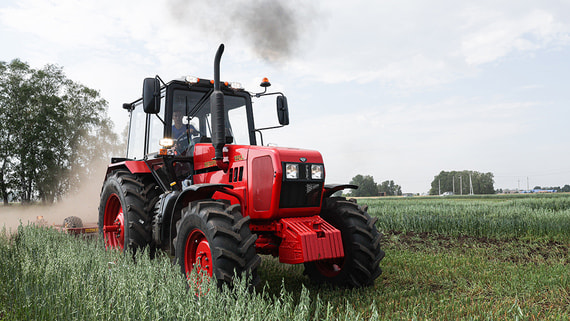
Russia has historically been the most important export destination for Minsk Tractor Works, accounting for a substantial portion of the company’s foreign sales. The two countries’ close economic ties, shared Soviet industrial heritage, and membership in the Eurasian Economic Union have created favorable conditions for agricultural machinery trade. Belarusian tractors have long been popular among Russian farmers due to their reliability, ease of maintenance, and competitive pricing compared to Western alternatives. The company produces a wide range of tractors suitable for various agricultural applications, from small-scale farming operations to large industrial agricultural enterprises.
Historical Context and Market Position
Founded in 1946, Minsk Tractor Works has grown to become one of the world’s largest tractor manufacturers, with production facilities capable of producing over 60,000 units annually. The company’s flagship Belarus brand is recognized in more than 100 countries worldwide, though the post-Soviet market remains its primary focus. Throughout its history, MTZ has played a crucial role in mechanizing agriculture across Eastern Europe and Central Asia, and its products continue to be essential for food production in these regions. The company employs tens of thousands of workers and represents a significant portion of Belarus’s industrial output and export revenue.
The Russian agricultural sector has undergone substantial transformation in recent years, with increased government support for domestic food production following the implementation of Western sanctions in 2014. This has created sustained demand for agricultural machinery, benefiting manufacturers like MTZ. However, the market has also become more competitive, with Russian domestic producers expanding their capabilities and Chinese manufacturers increasingly entering the fray. In this context, MTZ’s decision to optimize its dealer network may reflect a need to compete more effectively by ensuring superior customer service and after-sales support through a more focused distribution strategy.
Future Outlook and Industry Implications
Looking ahead, MTZ’s relationship with the Russian market appears set to remain strong despite the planned dealer network reduction. The company’s commitment to maintaining its export structure suggests confidence in continued demand for its products. Industry experts note that the optimization of distribution networks often leads to improved profitability for manufacturers and better experiences for end customers, as resources become concentrated among more capable and committed partners. For Russian farmers, this could mean improved access to spare parts, more responsive service, and better-trained technical support staff at the remaining dealerships. As the agricultural machinery sector continues to evolve globally, MTZ’s strategic adjustments may serve as a model for other manufacturers navigating similar market conditions.
Expert Opinion: The consolidation of dealer networks by major agricultural equipment manufacturers like MTZ reflects a maturing market where quality of service increasingly trumps geographic coverage. This strategic pivot suggests MTZ is positioning itself for long-term sustainability rather than short-term market share gains, which could strengthen its competitive position against both domestic Russian producers and international competitors entering the Eurasian market.