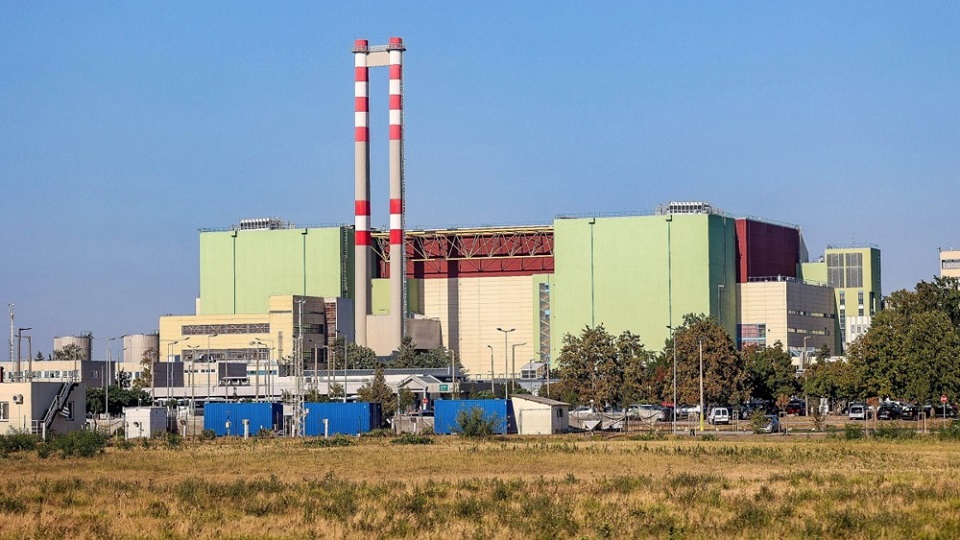
Hungary’s sole nuclear power facility, the Paks Nuclear Power Plant, has successfully restored three of its four reactors to full operational capacity following a period of reduced output caused by critically low water levels in the Danube River. The fourth reactor is being reconnected to the power grid according to schedule, with operators expecting full capacity restoration in the coming days. This development marks a significant recovery for the Central European nation, which relies heavily on the aging facility for its electricity needs.
The water level crisis in the Danube, one of Europe’s most important waterways, had forced plant operators to reduce power generation as the river serves as the primary cooling source for the facility’s reactors. Nuclear power plants require enormous amounts of water for cooling purposes, and when river levels drop below critical thresholds, operators must scale back operations to ensure safety protocols are maintained. The situation highlighted the growing vulnerability of European energy infrastructure to climate-related challenges.
The Critical Role of Paks in Hungary’s Energy Security
The Paks Nuclear Power Plant, located approximately 100 kilometers south of Budapest along the western bank of the Danube, represents the cornerstone of Hungary’s energy independence strategy. Commissioned between 1982 and 1987 with Soviet-era VVER-440 reactor technology, the facility currently provides approximately 50% of Hungary’s total electricity generation. This makes it one of the most significant nuclear installations in Central Europe in terms of national energy contribution. The plant’s four reactors have a combined capacity of approximately 2,000 megawatts, making any disruption to its operations a matter of national concern.
Hungary’s government under Prime Minister Viktor Orbán has consistently emphasized the importance of nuclear energy as part of the country’s long-term energy strategy. Plans are currently underway for the Paks II expansion project, which would add two new Russian-designed VVER-1200 reactors to the existing facility. This controversial project, valued at approximately 12.5 billion euros and financed largely through Russian loans, has drawn criticism from European Union officials and neighboring countries concerned about Hungary’s deepening energy ties with Moscow, particularly in the context of ongoing geopolitical tensions.
Climate Change and Water Security Challenges
The recent water level crisis at Paks reflects a broader pattern of climate-related challenges facing European energy infrastructure. The Danube River, which flows through ten countries across Central and Eastern Europe, has experienced increasingly frequent low-water events in recent years. Summer droughts have become more severe and prolonged, affecting not only nuclear cooling operations but also river navigation, hydroelectric generation, and agricultural irrigation throughout the basin. Scientists have warned that such events are likely to become more common as global temperatures continue to rise.
European nuclear operators have been forced to adapt to these changing conditions. In France, which operates the largest nuclear fleet in Europe, several reactors along the Rhône and Garonne rivers have faced similar restrictions during heat waves. The European Nuclear Safety Regulators Group has been working on guidelines to help member states address these climate-related operational challenges. Some experts suggest that future nuclear installations may need to consider alternative cooling technologies, such as dry cooling systems or coastal locations with access to seawater, though such modifications come with significant cost implications.
Looking Ahead: Energy Resilience and Regional Implications
The restoration of capacity at Paks comes as European energy markets remain volatile following years of disruption caused by the Russian invasion of Ukraine and subsequent sanctions affecting natural gas supplies. Hungary, which has maintained closer ties with Russia than many of its EU partners, has continued to receive Russian nuclear fuel for the Paks facility under existing contracts. This dependency has raised questions among energy security analysts about the long-term sustainability of Hungary’s nuclear-centric energy strategy, though supporters argue that nuclear power provides reliable baseload generation regardless of geopolitical weather patterns in fossil fuel markets.
As the fourth reactor at Paks returns to full operation, Hungarian energy officials will be closely monitoring Danube water levels through the remainder of the summer season. Meteorological forecasts and hydrological management upstream in Germany and Austria will play crucial roles in determining whether additional operational adjustments become necessary. The incident serves as a reminder that even the most reliable energy sources remain subject to environmental constraints, underscoring the need for diversified energy portfolios and robust contingency planning across the European electricity grid.
Expert Opinion: The Paks incident demonstrates that nuclear power, while offering carbon-free baseload electricity, is not immune to climate change impacts. European energy planners must increasingly factor water security into long-term nuclear strategy, potentially accelerating investment in alternative cooling technologies or coastal facility siting. Hungary’s heavy reliance on a single aging nuclear facility represents a concentration risk that the Paks II expansion, despite its controversies, may help mitigate in the coming decade.