The ongoing geopolitical tensions in the Black Sea and Azov Sea regions continue to cast a long shadow over international grain markets, prompting experts to reassess alternative shipping routes and forecast potential increases in global food prices. As two of the world’s most critical waterways for agricultural commodity transport face unprecedented uncertainty, the ripple effects are being felt from commodity trading floors in Chicago to bakeries in Cairo. Industry analysts have been evaluating the viability of alternative export corridors while warning that prolonged disruptions could fundamentally reshape global food supply chains.
Strategic Importance of Black Sea Shipping Routes
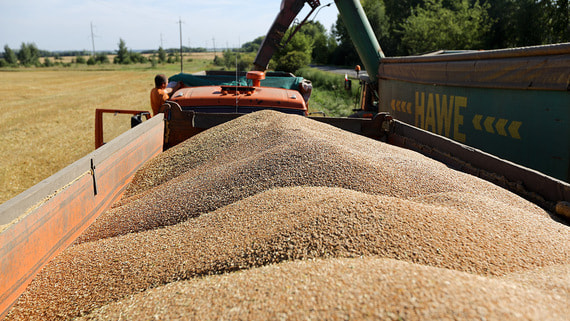
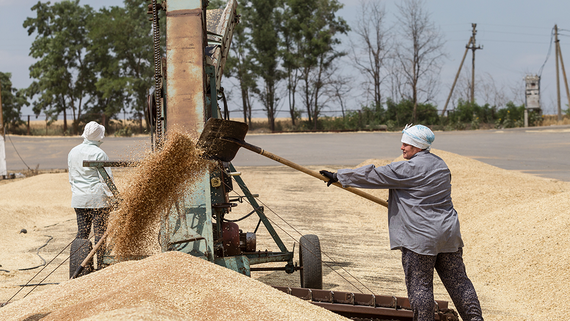
The Black Sea region has historically served as one of the world’s most vital arteries for grain exports, with Ukraine and Russia collectively accounting for approximately 30 percent of global wheat exports before the current conflict. The Azov Sea, connected to the Black Sea through the narrow Kerch Strait, provides access to several major Ukrainian and Russian ports that have traditionally handled millions of tons of agricultural commodities annually. The strategic importance of these waterways cannot be overstated, as they provide the most economically efficient route for transporting grain from the fertile steppes of Ukraine and southern Russia to markets across Africa, the Middle East, and Asia.
Maritime security concerns have dramatically altered the risk calculus for shipping companies operating in these waters. Insurance premiums for vessels transiting the region have skyrocketed, in some cases increasing by several hundred percent compared to pre-conflict levels. This dramatic rise in operational costs inevitably translates into higher prices for end consumers, particularly in import-dependent nations across North Africa and the Middle East where bread prices are already a politically sensitive issue. Egypt, the world’s largest wheat importer, has been particularly affected by these disruptions, as it has traditionally sourced a significant portion of its grain supplies from Black Sea exporters.
Alternative Export Routes Under Consideration
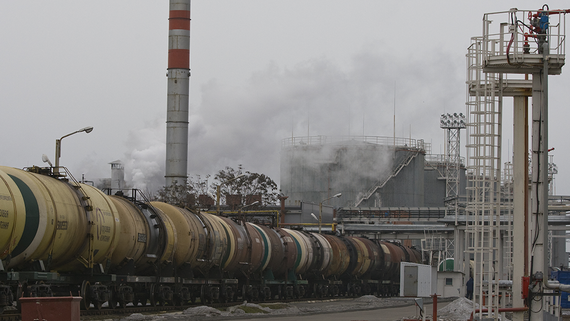
With traditional maritime routes facing significant challenges, exporters and logistics companies have been forced to explore alternative corridors for moving grain to international markets. Overland routes through Poland, Romania, and the Baltic states have emerged as potential alternatives, though they present their own set of challenges. Railway infrastructure in these transit countries was not originally designed to handle such massive volumes of agricultural commodities, leading to congestion at border crossings and delays that can stretch into weeks. The cost differential is also substantial, with overland transport typically costing several times more per ton than traditional sea freight.
The Danube River has emerged as another promising alternative route, with Romanian ports like Constanta seeing significant increases in grain transshipment volumes. However, the capacity constraints along this waterway mean it can only partially compensate for lost Black Sea shipping capacity. Industry experts estimate that even with maximum utilization of all available alternative routes, overall export volumes would remain significantly below historical averages, creating ongoing pressure on global supply and prices.
Global Price Implications and Food Security Concerns
The market implications of sustained disruptions to Black Sea grain exports extend far beyond regional concerns, potentially affecting food security for hundreds of millions of people worldwide. Wheat futures have experienced significant volatility, with prices remaining elevated compared to historical averages. Analysts at major commodity trading firms have warned that a prolonged disruption scenario could push prices even higher, particularly if the situation coincides with adverse weather conditions in other major producing regions such as North America or Australia. The interconnected nature of global agricultural markets means that price increases in wheat often trigger corresponding rises in corn, soybeans, and other staple crops as buyers seek alternatives.
Developing nations that rely heavily on grain imports face particularly acute challenges in this environment. Countries across Sub-Saharan Africa and the Middle East, many of which are already grappling with economic difficulties and currency depreciation, may find it increasingly difficult to afford adequate food supplies for their populations. International organizations including the World Food Programme have expressed concern about the potential humanitarian implications of sustained high grain prices, particularly in regions already experiencing food insecurity due to climate-related disruptions or ongoing conflicts.
Long-term Structural Changes in Agricultural Trade
Beyond immediate price fluctuations, the current situation may accelerate longer-term structural changes in global agricultural trade patterns. Major importing nations are increasingly looking to diversify their supplier base to reduce dependence on any single region. This could benefit agricultural exporters in South America, North America, and Australia, who may gain market share as buyers seek more reliable supply relationships. Additionally, some analysts predict increased investment in domestic agricultural production capacity in import-dependent nations, though such efforts require years to yield meaningful results.
The situation also highlights the vulnerability of global food systems to geopolitical disruptions and has renewed calls for international mechanisms to ensure food security during crises. Some experts advocate for strategic grain reserves at the international level, similar to strategic petroleum reserves, to buffer against supply shocks. Others point to the need for continued investment in agricultural infrastructure and technology to improve yields and reduce dependence on imports. Whatever the long-term solutions, the current crisis serves as a stark reminder of the complex interconnections between geopolitics, trade, and food security in an increasingly uncertain world.
Expert Opinion: Looking ahead, agricultural commodity analysts anticipate that Black Sea shipping disruptions will continue to support elevated grain prices through at least the next two marketing years. The fundamental restructuring of trade flows currently underway may prove permanent, with importing nations unlikely to return to pre-crisis sourcing patterns even if security conditions eventually improve. This structural shift represents both a significant challenge for traditional exporters and an opportunity for producers in other regions to establish lasting commercial relationships with major grain buyers.