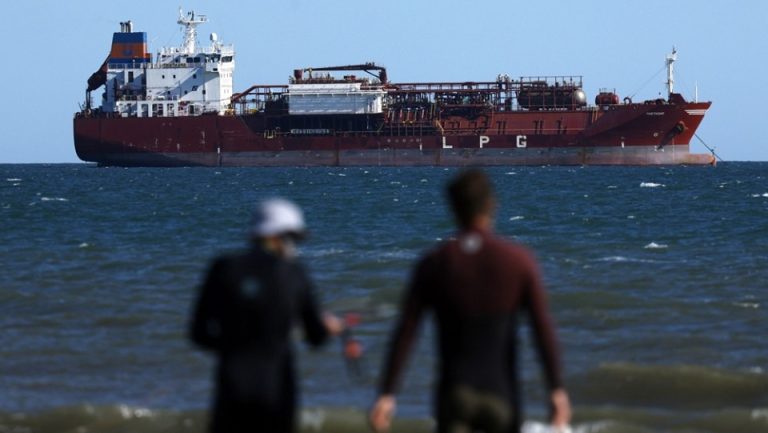
Turkey’s Coast Guard General Command has denied passage through the Dardanelles Strait to several vessels bound for the Russian port of Novorossiysk, marking a significant escalation in maritime restrictions related to the ongoing conflict between Russia and Ukraine. This development represents a notable shift in Turkey’s approach to managing the strategically vital waterway that connects the Mediterranean Sea to the Black Sea, raising questions about the future of commercial shipping in the region and the broader implications for international trade routes.
The decision to restrict access affects commercial vessels attempting to reach one of Russia’s most important Black Sea ports. Novorossiysk serves as a critical hub for Russian oil exports and grain shipments, handling millions of tons of cargo annually. By limiting passage through the Turkish Straits, Ankara is effectively tightening the maritime chokepoint that has served as a lifeline for Black Sea commerce for centuries.
The Strategic Importance of the Turkish Straits
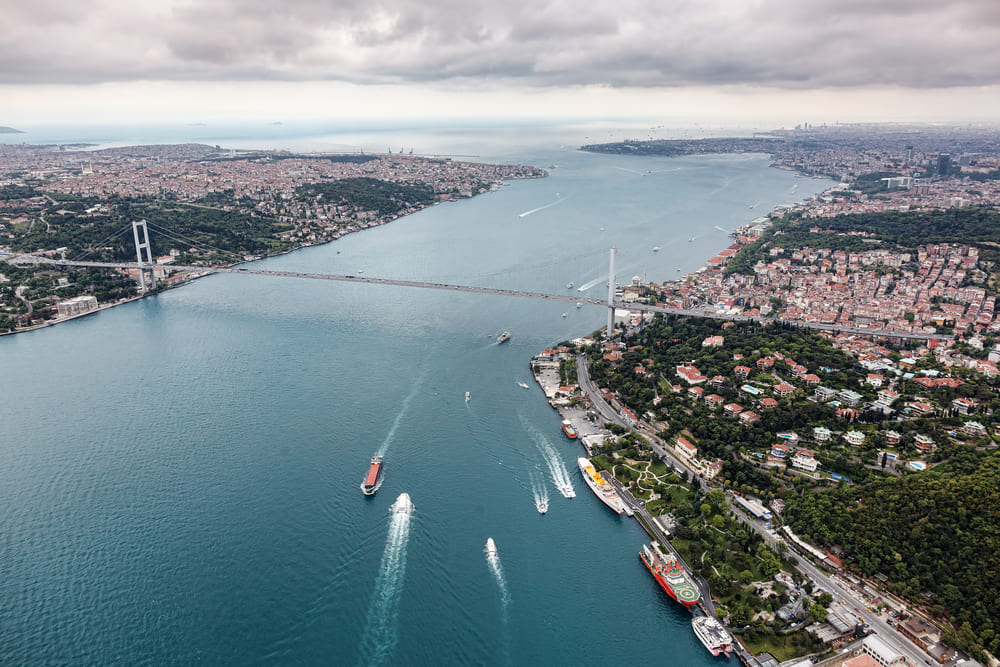
The Turkish Straits, comprising the Dardanelles and the Bosphorus, represent one of the world’s most strategically significant waterways. These narrow passages connect the Black Sea to the Mediterranean and have been the subject of international agreements and geopolitical tensions throughout history. The Montreux Convention of 1936 governs the passage of civilian and military vessels through these waters, granting Turkey significant authority over naval traffic while generally guaranteeing free passage for commercial ships during peacetime.
Turkey has historically maintained a delicate balancing act regarding the straits, particularly since the outbreak of the Russia-Ukraine war in February 2022. Shortly after the conflict began, Ankara invoked wartime provisions of the Montreux Convention to restrict the passage of warships belonging to belligerent nations, preventing both Russian and Ukrainian naval vessels from transiting the straits. However, the extension of restrictions to commercial vessels marks a potentially significant policy evolution that could have far-reaching economic consequences.
Economic Implications and International Response
The restrictions on vessels bound for Novorossiysk could have substantial implications for global energy markets and food security. Russia relies heavily on Black Sea ports for exporting crude oil, petroleum products, and agricultural commodities. Novorossiysk alone handles approximately one-third of Russia’s seaborne oil exports, making any disruption to shipping access a matter of considerable economic significance. The port also plays a crucial role in grain exports, which are essential for food supplies in numerous developing nations.
International shipping companies and trade analysts are closely monitoring the situation, as prolonged restrictions could force costly rerouting of cargo or create backlogs that disrupt supply chains. Western sanctions against Russia have already complicated maritime logistics in the region, and Turkey’s latest moves add another layer of complexity to an already challenging environment. Some experts suggest that Ankara may be responding to pressure from Western allies, while others point to potential safety concerns or compliance issues with specific vessels as possible explanations for the denials.
Turkey’s Diplomatic Position and Future Outlook
Turkey occupies a unique position in the Russia-Ukraine conflict, maintaining relationships with both Moscow and Kyiv while serving as a NATO member. President Recep Tayyip Erdogan has attempted to position his country as a neutral mediator, facilitating negotiations and helping to broker the Black Sea Grain Initiative in 2022. The decision to restrict certain vessels from transiting Turkish waters suggests that Ankara may be recalibrating its approach, though the full scope and rationale behind these restrictions remain unclear.
Maritime legal experts note that Turkey possesses considerable discretionary authority under the Montreux Convention, particularly regarding vessels that may pose safety or environmental risks. However, any systematic denial of passage to commercial ships could raise questions about compliance with international maritime law and potentially invite diplomatic protests from affected nations. As the war between Russia and Ukraine continues with no resolution in sight, Turkey’s management of the strategic straits will remain a critical factor in regional stability and global trade patterns.
Expert Opinion: Turkey’s selective restriction of passage through the Dardanelles signals a potential shift from its carefully maintained neutrality toward more active maritime intervention in the Russia-Ukraine conflict. If these restrictions expand or become systematic, we could see significant disruptions to Russian energy exports and a restructuring of Black Sea shipping routes, with ripple effects on global oil prices and food commodity markets throughout 2025.