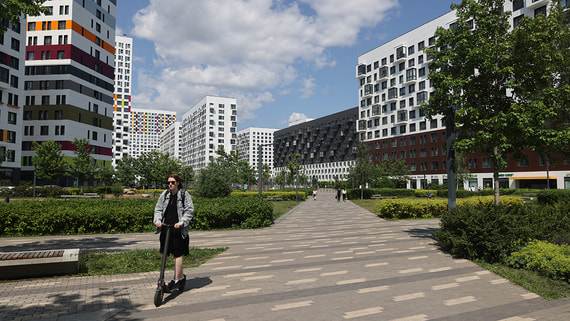
Electric scooters are rapidly transforming urban mobility across Russia, with growing evidence suggesting that residents are now treating these devices as practical transportation rather than recreational novelties. The average rental duration in scooter-sharing services has dropped to approximately 10 minutes, indicating that users are primarily utilizing them for efficient point-to-point travel rather than leisurely rides through city parks. This shift represents a significant evolution in how Russian urbanites approach their daily commutes and short-distance journeys.
The Rise of Micromobility in Russian Cities
The transformation of electric scooters from entertainment gadgets to serious urban transport options reflects a broader global trend in micromobility solutions. In major Russian cities like Moscow, St. Petersburg, Yekaterinburg, and Kazan, scooter-sharing services have expanded dramatically over the past few years. Companies operating in this space have deployed thousands of vehicles across urban centers, creating dense networks that allow users to pick up and drop off scooters at numerous convenient locations. The infrastructure supporting this growth has also improved, with dedicated lanes and parking zones becoming increasingly common in metropolitan areas.
Industry analysts note that the 10-minute average rental time closely mirrors typical short urban trips that might otherwise be taken by public transport or private vehicles. This duration suggests users are covering distances of approximately 2-3 kilometers, which represents the so-called “last mile” problem in urban transportation – the gap between public transit stops and final destinations. Electric scooters have emerged as an ideal solution for bridging this gap, offering speed, convenience, and flexibility that traditional transportation options often cannot match.
Economic and Environmental Implications
The growing adoption of electric scooters carries significant implications for both urban economics and environmental sustainability. For individual users, scooter rentals typically cost substantially less than taxi services or ride-sharing applications for short distances. The average trip costing between 50 and 150 rubles makes this option particularly attractive for budget-conscious commuters, especially younger demographics who form the core user base. Additionally, electric scooters produce zero direct emissions, contributing to improved air quality in congested urban centers where vehicle exhaust remains a persistent health concern.
Russian cities have been grappling with traffic congestion and pollution challenges for decades, and municipal authorities increasingly view micromobility solutions as part of the answer. Moscow, for instance, has invested heavily in cycling and scooter infrastructure as part of its broader urban development strategy. The city has created hundreds of kilometers of dedicated lanes and implemented regulations designed to balance the needs of scooter users, pedestrians, and motorists. Similar initiatives are underway in other major Russian cities, reflecting a growing governmental recognition of micromobility’s potential benefits.
Challenges and Regulatory Responses
Despite the enthusiasm surrounding electric scooters, their rapid proliferation has not been without controversy. Safety concerns have prompted Russian authorities to implement stricter regulations governing scooter use. Speed limits have been established in pedestrian zones, and users are now required to follow specific rules regarding where they can ride and park their vehicles. Accidents involving scooters have made headlines, leading to calls for mandatory helmet requirements and age restrictions. The Russian government has responded with legislation that officially classifies electric scooters as a distinct category of transport, subject to specific traffic rules.
Industry stakeholders have generally welcomed sensible regulation, recognizing that a safe and orderly operating environment ultimately benefits the sector’s long-term growth prospects. Major scooter-sharing companies have implemented their own safety measures, including in-app tutorials for new users, speed restrictions in certain zones enforced through GPS technology, and insurance coverage for riders. These efforts aim to build public trust and demonstrate that micromobility can coexist safely with other forms of urban transport. As the market matures, experts anticipate continued refinement of both regulations and industry practices.
Expert Opinion: The consistent reduction in average rental times strongly indicates that electric scooters have completed their transition from novelty to necessity in Russian urban transportation. We can expect continued market growth of 15-20% annually as infrastructure improves and younger generations enter the workforce with established micromobility habits. The key challenge for the next five years will be integrating scooter-sharing systems seamlessly with public transit networks to create truly multimodal urban transportation ecosystems.