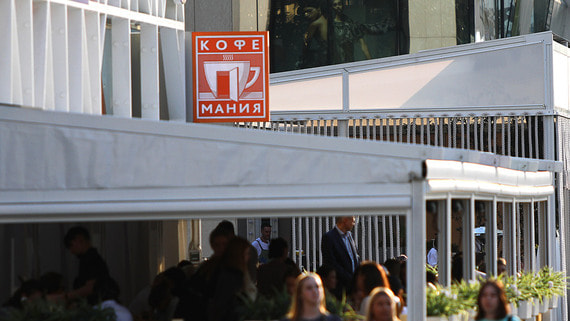
Russia’s premium coffee chain Coffemania has shuttered approximately 25% of its locations over the past year, marking a significant contraction for one of Moscow’s most recognizable upscale dining establishments. The closures reflect broader challenges facing the Russian food service industry as businesses grapple with rising operational costs, shifting consumer behavior, and ongoing economic pressures that have forced many restaurant operators to reevaluate their expansion strategies and focus on profitability over growth.
The decision to close a substantial portion of its coffee shops represents a strategic pivot for Coffemania, which has long been considered a benchmark for premium coffee culture in Russia’s capital. Industry analysts suggest that the current economic climate has left restaurant chains with little choice but to eliminate underperforming locations and concentrate resources on their most profitable venues.
Economic Pressures Force Strategic Restructuring
The Russian food service sector has faced mounting challenges since 2022, with businesses contending with supply chain disruptions, increased ingredient costs, and difficulties sourcing imported products that were once staples of upscale dining establishments. Labor costs have also risen significantly as the hospitality industry competes for workers in an increasingly tight job market. These factors have combined to squeeze profit margins across the sector, particularly affecting premium establishments that rely on imported specialty products and high-quality ingredients.
For Coffemania specifically, the brand’s positioning in the upper segment of the market has made it particularly vulnerable to these economic headwinds. The chain, known for its European-style ambiance and extensive menu of specialty coffee drinks and cuisine, has traditionally attracted business professionals and affluent consumers willing to pay premium prices. However, as discretionary spending comes under pressure, even loyal customers have begun to moderate their dining-out habits, forcing establishments to reconsider their footprint.
Historical Context and Industry-Wide Trends
Coffemania was founded in 2001 and quickly established itself as a pioneer of premium coffee culture in Moscow during Russia’s economic boom years. The chain became synonymous with quality and sophistication, expanding steadily throughout the 2000s and 2010s as Russia’s middle and upper classes embraced Western-style cafe culture. At its peak, the chain operated dozens of locations across Moscow’s most prestigious neighborhoods, shopping centers, and business districts, becoming a fixture of the capital’s dining scene.
The current wave of closures at Coffemania mirrors broader trends across the Russian restaurant industry. According to industry reports, numerous food service establishments have either reduced their operations or closed entirely over the past two years. The sector, which had shown strong recovery following the COVID-19 pandemic restrictions, has faced a new set of challenges that have proven equally disruptive. Many chains have adopted similar strategies, consolidating operations around their strongest locations while abandoning venues that no longer meet profitability thresholds.
Expert Analysis and Future Outlook
Restaurant industry experts note that the closures, while significant, may ultimately strengthen Coffemania’s market position by allowing the company to focus on operational excellence at its remaining locations. The strategy of pruning underperforming outlets is a common response to economic downturns and can help preserve brand value while maintaining financial stability. By eliminating locations with high rent costs or low foot traffic, the chain can redirect resources toward improving customer experience and maintaining quality standards at its core venues.
Looking ahead, the Russian food service industry faces continued uncertainty as economic conditions remain challenging. However, some analysts suggest that premium brands like Coffemania may be better positioned to weather the storm than mid-market competitors, as their affluent customer base tends to be more resilient to economic fluctuations. The key for survival, experts suggest, will be adaptability—finding ways to maintain quality while managing costs, and potentially exploring new revenue streams such as delivery services and corporate catering to offset reduced foot traffic at physical locations.
Expert Opinion: The consolidation seen at Coffemania signals a broader maturation of Russia’s premium dining sector, where aggressive expansion is giving way to sustainable profitability models. Chains that successfully navigate this transition by retaining their strongest locations while cutting operational fat will likely emerge more resilient. We can expect continued rationalization across the Russian food service industry throughout 2025, with premium brands ultimately maintaining their market positions while mid-tier establishments face the greatest pressure.