
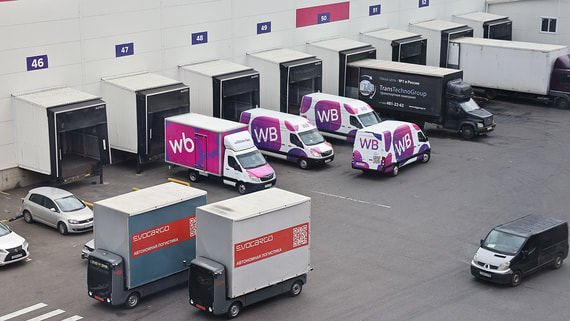
Russian e-commerce giant Wildberries has been aggressively expanding its logistics infrastructure into Kazakhstan, a strategic move that comes as Russia’s Foreign Ministry speaks of deeper “integration” with neighboring countries. This expansion reflects broader economic trends as Russian businesses seek new markets and supply chain routes amid ongoing international sanctions and the continuing conflict in Ukraine. The timing of these developments, coinciding with statements about marketplace integration with neighboring states, raises questions about the intersection of commercial interests and geopolitical strategy in the post-Soviet space.
The Strategic Importance of Kazakhstan for Russian E-Commerce
Kazakhstan represents a crucial gateway for Russian businesses looking to diversify their operations and access new consumer markets. With a population of nearly 20 million people and a growing middle class, the Central Asian nation offers significant commercial opportunities. Wildberries, which has grown to become one of the largest online retailers in the Russian-speaking world, has identified Kazakhstan as a key market for expansion. The company has been constructing multiple fulfillment centers across the country, enabling faster delivery times for local customers and creating a more robust supply chain network that extends beyond Russian borders.
The warehouse construction initiative is part of a larger pattern of Russian companies seeking to establish stronger footholds in Commonwealth of Independent States (CIS) member nations. Kazakhstan’s strategic location, sharing extensive borders with both Russia and China, makes it an ideal logistics hub for companies looking to maintain access to global supply chains. The country’s membership in the Eurasian Economic Union also provides favorable trade conditions, including reduced tariffs and simplified customs procedures for goods moving between member states.
Economic Context and Sanctions Impact
The expansion of Russian e-commerce operations into Kazakhstan cannot be separated from the broader economic pressures facing Russian businesses since February 2022. International sanctions imposed following the invasion of Ukraine have significantly disrupted traditional supply chains and payment systems. Many Western brands have withdrawn from the Russian market, creating both challenges and opportunities for domestic retailers. Wildberries and other Russian marketplaces have stepped in to fill some of these gaps, while simultaneously seeking alternative routes for importing goods that might be subject to restrictions.
Kazakhstan has emerged as a potential transshipment point for goods destined for Russia, though Kazakh authorities have officially stated their commitment to observing international sanctions. The construction of warehouse infrastructure in Kazakhstan could serve multiple purposes: legitimate market expansion, supply chain diversification, and potentially creating alternative import pathways. Industry analysts note that the blurring of lines between commercial expansion and sanctions circumvention has become a recurring theme in post-2022 Eurasian economic relations.
Ukrainian Conflict and Regional Dynamics
The mention of Ukrainian military operations in connection with marketplace integration statements adds another layer of complexity to this business story. As the conflict continues, Russian companies face ongoing disruptions to their operations, including attacks on infrastructure within Russia itself. Diversifying logistics networks across multiple countries provides a form of insurance against such disruptions. Additionally, the economic warfare dimension of the conflict has made geographic diversification a strategic priority for major Russian corporations.
Kazakhstan has maintained a delicate diplomatic balance throughout the conflict, neither openly supporting Russia’s military operations nor joining Western sanctions regimes. This positioning makes it an attractive destination for Russian business expansion, as companies can operate without facing the same restrictions they encounter in Western markets. However, this situation also puts Kazakhstan under increased scrutiny from Western governments concerned about sanctions evasion, potentially complicating the country’s own economic relationships with Europe and the United States.
The Future of Regional E-Commerce Integration
Looking ahead, the expansion of Russian e-commerce platforms into Central Asia is likely to continue, driven by both commercial logic and geopolitical necessity. Wildberries’ warehouse construction represents just one element of a broader trend toward greater economic integration within the Eurasian space. Other Russian marketplaces, including Ozon, have similarly announced expansion plans in Kazakhstan and other CIS countries. This competition could ultimately benefit local consumers through improved service and lower prices, while also raising questions about market dominance and data sovereignty.
The integration of digital marketplaces across borders also has implications for employment, technology transfer, and the development of local logistics industries. Kazakhstan has welcomed foreign investment in its e-commerce sector, viewing it as an opportunity to modernize infrastructure and create jobs. However, the heavy involvement of Russian platforms could also limit the development of indigenous alternatives, creating long-term dependencies that may prove difficult to unwind as regional geopolitics continue to evolve.
Expert Opinion: The Wildberries expansion into Kazakhstan exemplifies how Russian businesses are adapting to a dramatically altered global economic landscape. While commercial motivations certainly drive these investments, the strategic timing suggests a deliberate effort to build parallel economic infrastructure less vulnerable to Western pressure. Observers should watch for similar moves by other major Russian corporations, as the creation of an integrated Eurasian digital marketplace could fundamentally reshape regional economic relationships for decades to come.