
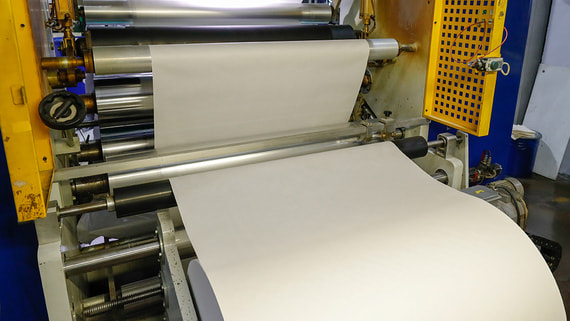
One of Russia’s largest manufacturers of dairy product packaging has unexpectedly shut down its operations, sending shockwaves through the country’s food processing industry. The closure leaves numerous dairy companies scrambling to find alternative suppliers for essential packaging materials, potentially disrupting supply chains and affecting product availability on store shelves across the nation.
The sudden halt in production comes at a particularly challenging time for Russia’s dairy sector, which has been grappling with various logistical and supply chain difficulties in recent years. Industry partners who relied on the manufacturer for specialized packaging solutions will now be forced to turn to competing suppliers, a transition that could prove both costly and time-consuming as they establish new business relationships and adapt to different product specifications.
Impact on Russia’s Dairy Industry Supply Chain
The dairy packaging industry plays a crucial but often overlooked role in ensuring food safety and extending product shelf life. Specialized packaging for milk, yogurt, kefir, and other dairy products requires precise manufacturing standards to maintain product freshness and prevent contamination. With one major player now out of the market, remaining manufacturers face increased pressure to meet demand, potentially leading to production bottlenecks and delivery delays throughout the supply chain.
Russian dairy producers have increasingly faced challenges in recent years due to international sanctions and restrictions on technology imports. Many packaging machines and raw materials previously sourced from European manufacturers have become difficult or impossible to obtain, forcing companies to seek alternatives from domestic producers or suppliers in countries like China and Turkey. The loss of a major domestic packaging manufacturer only compounds these existing difficulties.
Historical Context and Market Dynamics
Russia’s packaging industry underwent significant transformation following the country’s economic isolation from Western markets beginning in 2014 and accelerating dramatically in 2022. Government initiatives to promote import substitution led to increased investment in domestic manufacturing capabilities, yet the sector has struggled to fully replace the sophisticated technology and materials previously imported from abroad. The closure of this major producer represents a significant setback to these localization efforts.
Industry analysts note that dairy packaging requires specialized multilayer materials that combine barriers against light, oxygen, and bacteria while maintaining food-grade safety standards. Developing and scaling such production domestically requires substantial capital investment and technical expertise. Smaller regional manufacturers may lack the capacity to immediately fill the gap left by the departing company, potentially creating temporary shortages in certain packaging formats.
Looking Ahead: Adaptation and Challenges
Dairy companies affected by this closure face difficult decisions in the coming weeks and months. Some may need to reformulate their packaging strategies entirely, potentially switching to different container types or materials that remain available from other suppliers. Others might face temporary production slowdowns as they negotiate new supply agreements and await delivery of alternative packaging materials. Consumer prices for dairy products could potentially increase as manufacturers absorb higher packaging costs or pass them along to retailers.
The situation highlights the broader vulnerabilities in Russia’s food processing infrastructure and the ongoing challenges of maintaining stable supply chains amid economic uncertainty. Industry observers will be watching closely to see how quickly the market adapts and whether other domestic manufacturers can successfully scale up operations to meet the increased demand. The coming months will likely prove critical in determining the long-term impact of this significant industry disruption on both producers and consumers across Russia.
Expert Opinion: The closure of a major packaging manufacturer signals deeper structural vulnerabilities within Russia’s food processing sector that cannot be quickly resolved through simple supplier substitution. As remaining manufacturers face capacity constraints and potential quality control challenges from rapid scaling, we may see consolidation among smaller dairy producers who cannot absorb the increased costs. This disruption could accelerate the trend toward larger, vertically integrated dairy conglomerates that can better manage supply chain risks internally.