Russian forces have conducted an extensive and sustained assault on the assets of Ukraine’s state energy company Naftogaz throughout the entire day, deploying various types of drones including jet-powered unmanned aerial vehicles. The attack has resulted in significant destruction to critical energy infrastructure, forcing the company to halt operations at affected facilities. This latest assault represents a continuation of Russia’s systematic campaign to cripple Ukraine’s energy sector as the conflict approaches its fourth year.
Scale and Nature of the Attack
The Russian military employed a diverse arsenal of unmanned aerial vehicles in the coordinated strike, including advanced jet-powered drones capable of evading air defense systems. These attacks persisted throughout the daylight hours, suggesting a deliberate strategy to overwhelm Ukrainian defensive capabilities through sustained pressure rather than a single concentrated strike. The use of multiple drone types indicates Russia’s evolving tactics in targeting critical infrastructure, combining cheaper mass-produced drones with more sophisticated models to maximize damage potential.
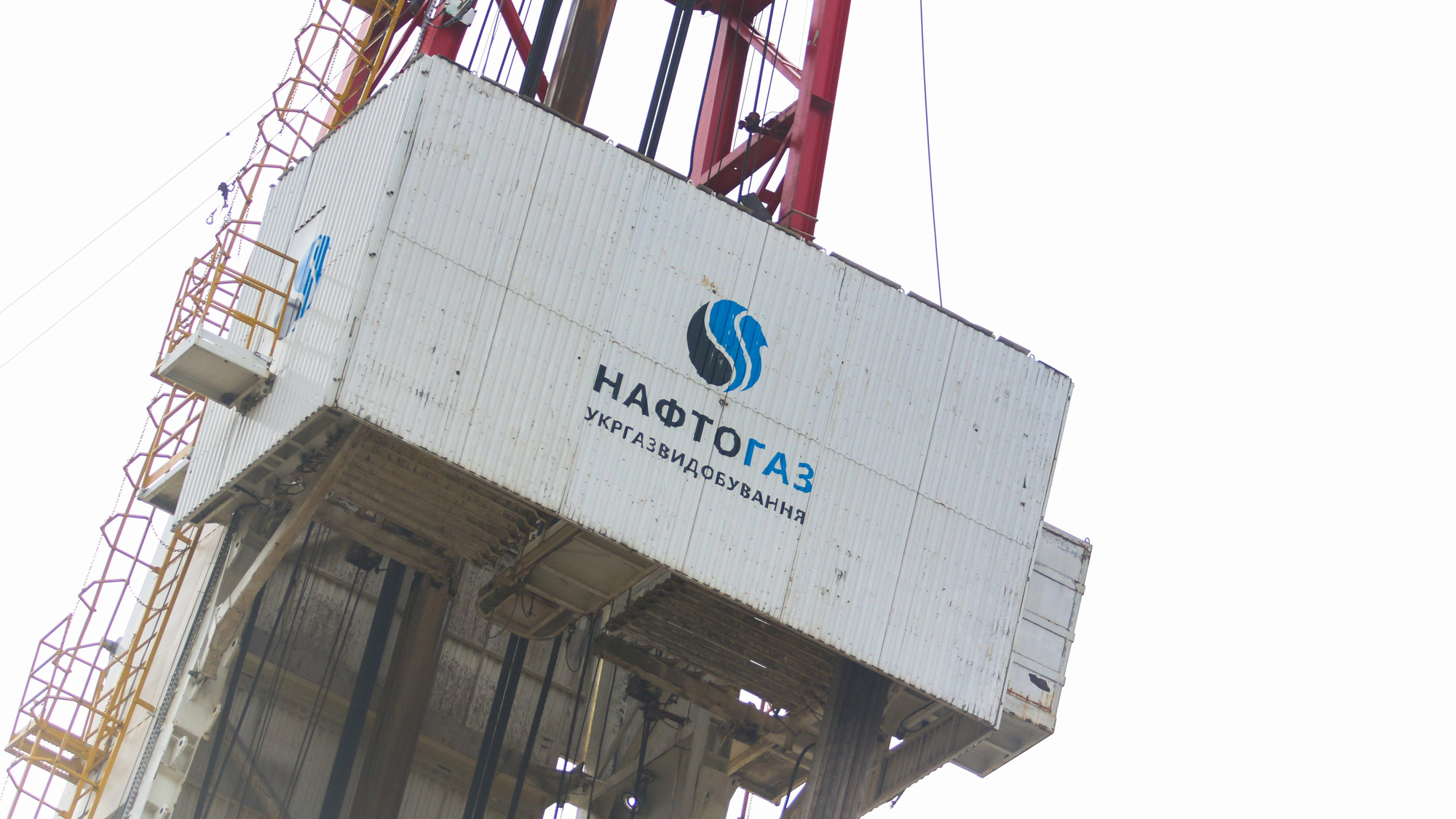
Naftogaz, which serves as the backbone of Ukraine’s natural gas industry and plays a crucial role in European energy transit, confirmed that the attacks caused substantial damage to their facilities. The company was forced to suspend operations at several locations, though specific details about which assets were targeted remain classified for security reasons. This operational halt could have significant implications for both domestic energy supply and the transit of gas to European markets.
Strategic Implications for Ukraine’s Energy Sector
The targeting of Naftogaz assets fits into Russia’s broader strategy of attacking Ukraine’s energy infrastructure, a campaign that has intensified particularly during winter months when energy demand peaks. Since the beginning of the full-scale invasion in February 2022, Russia has systematically targeted power plants, substations, gas facilities, and other critical energy infrastructure. According to Ukrainian government estimates, these attacks have destroyed or damaged approximately 50% of the country’s energy generation capacity at various points during the conflict.
Naftogaz holds particular strategic importance as Ukraine’s largest national oil and gas company, responsible for natural gas production, storage, and transportation. The company operates an extensive network of underground gas storage facilities, the largest in Europe, and manages the pipeline system that historically transported Russian gas to European markets. Although the transit agreement between Russia and Ukraine expired at the end of 2024, the infrastructure remains vital for Ukraine’s domestic needs and potential future European energy cooperation.
International Response and Energy Security Concerns
The continued attacks on energy infrastructure have drawn condemnation from international partners and raised serious concerns about energy security across the region. European Union officials have repeatedly called for the protection of civilian infrastructure under international humanitarian law, while energy experts warn that sustained damage to Ukrainian facilities could have ripple effects on regional energy markets. The destruction of storage and transit capabilities affects not only Ukraine but also neighboring countries that have relied on Ukrainian infrastructure for energy diversification.
Ukrainian authorities have been working with international partners to strengthen air defense capabilities and rebuild damaged infrastructure, though the pace of destruction often outstrips repair efforts. The government has invested in distributed energy solutions and emergency backup systems to maintain essential services even as attacks continue. International donors have pledged billions in support for energy infrastructure restoration, but the ongoing nature of the attacks makes long-term planning exceptionally challenging.
Expert Opinion: The sustained targeting of Naftogaz infrastructure signals Russia’s intent to weaponize energy security as winter approaches, aiming to break Ukrainian civilian morale through infrastructure degradation. Energy analysts anticipate that these attacks will accelerate Ukraine’s transition toward decentralized energy systems and renewable sources, fundamentally reshaping the country’s energy landscape regardless of the conflict’s outcome. The international community’s response to these infrastructure attacks will likely influence future norms regarding the protection of civilian energy assets in armed conflicts.