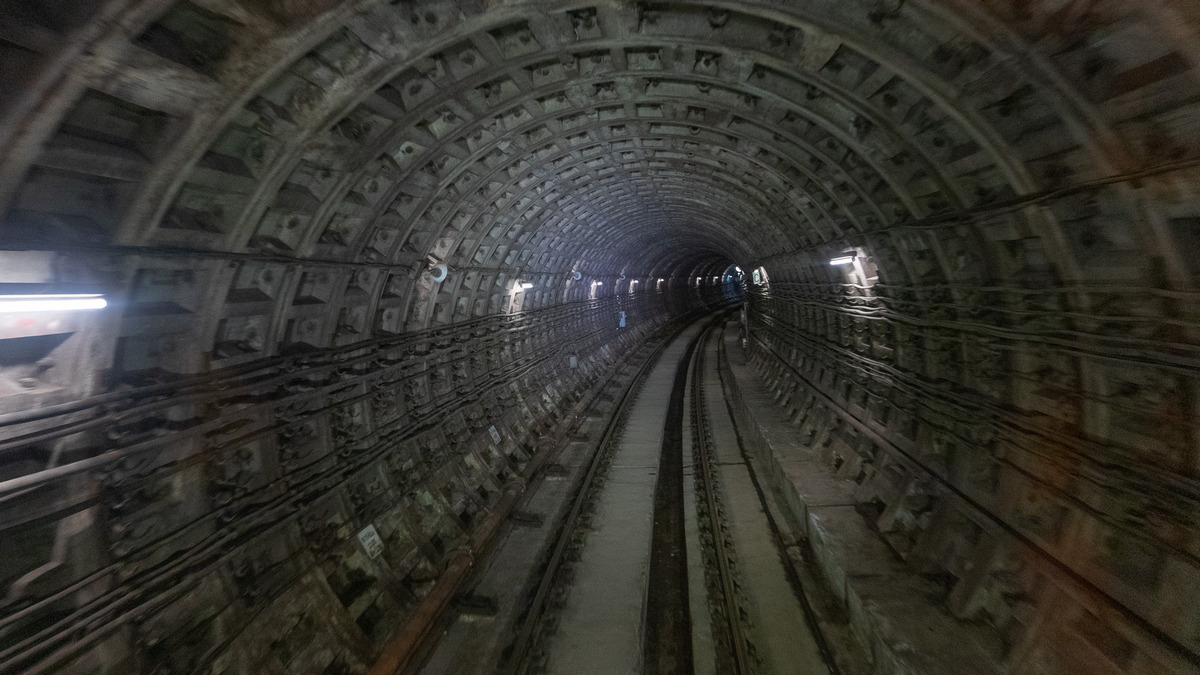
The Kyiv city authorities have officially announced a tender for capital repairs on a critical section of the city’s metropolitan subway system. The repair project will focus on the tunnel connecting Taras Shevchenko and Pochaina stations, where ground subsidence has created structural concerns that require immediate attention. This infrastructure maintenance project represents one of several ongoing efforts to ensure the safety and reliability of Ukraine’s busiest public transit system, which continues to serve millions of residents despite the ongoing challenges facing the country.
Ground Subsidence Threatens Tunnel Integrity
The primary issue driving this urgent repair tender is ground subsidence, a geological phenomenon where the earth’s surface sinks or settles due to various underground factors. In urban environments like Kyiv, subsidence can result from natural soil compaction, underground water table changes, aging infrastructure, or the cumulative effects of decades of heavy transit usage. The Kyiv Metro, which first opened in 1960 as the third metro system in the Soviet Union after Moscow and St. Petersburg, has been operating continuously for over six decades, making regular maintenance and repairs essential for continued safe operation.
Engineers and geologists have been monitoring this particular section of tunnel closely, as ground movement can compromise the structural integrity of subway infrastructure over time. Even minor shifts in the earth can create cracks in tunnel walls, affect track alignment, and potentially lead to water infiltration. The authorities have determined that comprehensive capital repairs, rather than temporary fixes, are necessary to address the underlying issues and ensure long-term operational safety for the hundreds of thousands of daily passengers who depend on this route.
Strategic Importance of the Affected Route
The tunnel section between Taras Shevchenko and Pochaina stations lies on one of Kyiv’s vital metro lines, connecting the city’s northern districts with central areas. Pochaina station, located near the historic Podil neighborhood, serves as a crucial transit hub for residents commuting to work, schools, and commercial centers. Any disruption to this section could significantly impact daily commuter patterns throughout the capital city, which has a population of approximately three million people.
The Kyiv Metro system currently operates three lines spanning over 67 kilometers with 52 stations, handling approximately 1.4 million passengers daily under normal circumstances. During the ongoing conflict, the metro has taken on additional significance as underground stations have served as emergency shelters during air raid alerts. This dual role makes infrastructure integrity even more critical, as the tunnels must remain structurally sound to protect both transit operations and civilian safety during emergencies.
Technical Challenges and Repair Procedures
Capital repairs on underground metro infrastructure represent some of the most complex engineering projects in urban maintenance. Workers must address structural issues while minimizing disruption to daily service, often conducting repairs during overnight hours when trains are not running. The tender process will seek contractors with specialized expertise in tunnel reinforcement, waterproofing systems, and ground stabilization techniques that can effectively address the subsidence problems while meeting strict safety standards.
Modern tunnel repair methods may include injection grouting to fill voids in surrounding soil, installation of additional structural supports, replacement of damaged concrete sections, and upgrading of drainage systems to prevent water-related deterioration. The selected contractor will need to coordinate closely with metro operations to develop a repair schedule that balances thoroughness with the need to maintain reliable public transit service throughout the construction period. Such projects typically require months of careful planning and execution to complete successfully.
Expert Opinion: Urban infrastructure specialists note that proactive maintenance of aging metro systems is significantly more cost-effective than emergency repairs following failures. Given the Kyiv Metro’s age and the challenging geological conditions in certain areas, continued investment in structural monitoring and timely repairs will be essential to maintaining system reliability for decades to come. This tender signals a responsible approach to infrastructure management despite the competing demands on municipal resources during wartime conditions.