
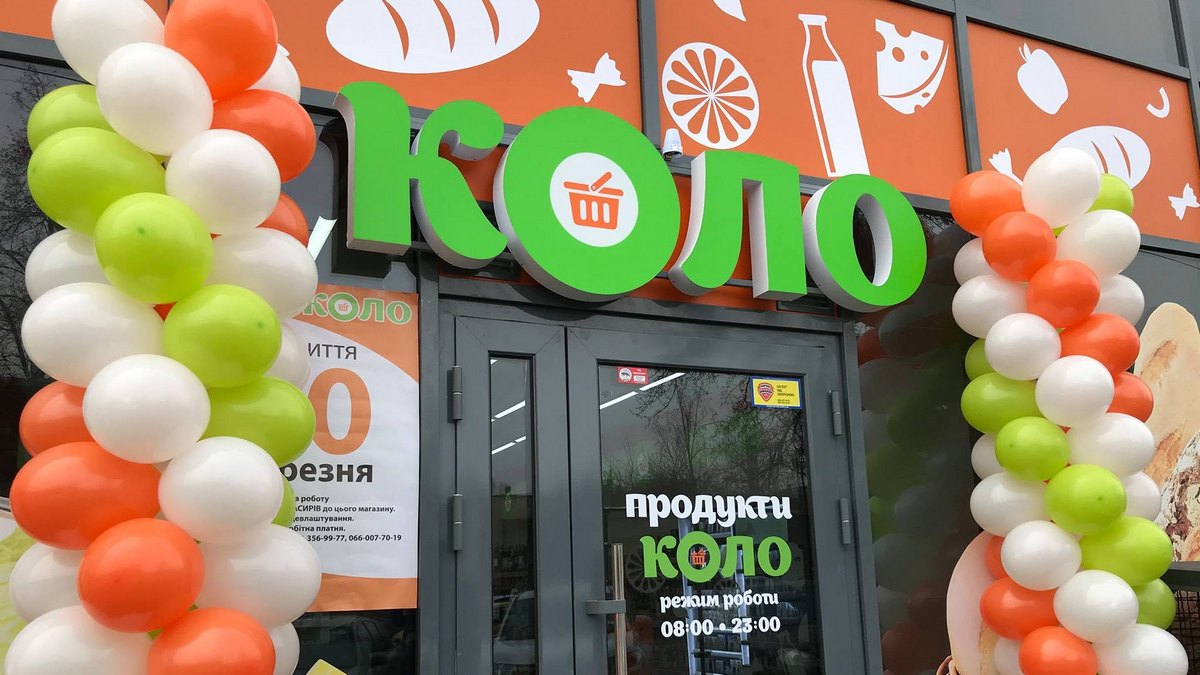
The Dnipro-based supermarket chain Varus is set to significantly strengthen its presence in Ukraine’s capital through a major merger and acquisition deal. The acquisition of the Kolo supermarket network represents one of the most significant retail consolidation moves in Ukraine’s grocery sector, signaling a new phase of competitive dynamics in the country’s retail landscape despite ongoing wartime challenges.
Retail analyst Kostiantyn Shostak has characterized the acquisition as a “strategic move” that will fundamentally alter Varus’s market position in Kyiv. The deal allows the Dnipro-headquartered retailer to rapidly expand its footprint in Ukraine’s largest and most lucrative consumer market without the time and expense of building new locations from scratch. This approach to market entry through acquisition rather than organic growth has become increasingly common in Ukraine’s retail sector, where established locations with existing customer bases offer immediate revenue potential.
Understanding the Ukrainian Retail Landscape
Ukraine’s retail grocery market has undergone significant transformation over the past decade, with consolidation becoming a dominant trend among major players. The sector is characterized by intense competition between domestic chains such as ATB, Silpo, and Varus, as well as international players seeking to establish or expand their presence. Before Russia’s full-scale invasion in February 2022, the market was valued at approximately $30 billion annually, though it has faced considerable disruption since then.
Varus, which operates primarily in central and eastern Ukraine, has built a reputation for combining competitive pricing with quality products. The chain has historically been strongest in Dnipro and surrounding regions, making the Kyiv expansion a logical next step in its growth strategy. The capital city, home to approximately 3 million residents before the war, represents the single largest concentration of consumer purchasing power in the country, making it an essential market for any retailer with national ambitions.
The Kolo Acquisition: Strategic Rationale
The Kolo supermarket chain, while smaller than major national players, has established valuable real estate positions throughout Kyiv. These locations, often in high-traffic residential areas, would take years to replicate through new construction. By acquiring Kolo, Varus gains immediate access to these prime retail locations along with existing supply chain relationships, trained staff, and established customer loyalty programs.
Industry experts note that M&A activity in Ukraine’s retail sector often accelerates during periods of economic uncertainty. Companies with strong balance sheets can acquire struggling competitors at favorable valuations, while sellers may prefer the security of joining larger organizations. The wartime economy has created both challenges and opportunities for retailers, with supply chain disruptions and population displacement reshaping consumer patterns across the country.
Market Implications and Future Outlook
The Varus-Kolo deal is likely to trigger additional consolidation activity in Ukraine’s retail sector. Smaller regional chains may seek merger partners to achieve the scale necessary to compete with larger rivals, while major players will likely accelerate their own expansion plans to defend market share. This consolidation trend mirrors developments in other European markets, where grocery retail has increasingly concentrated among a small number of dominant players.
For consumers, the acquisition could bring both benefits and concerns. Larger retailers typically offer greater purchasing power, potentially leading to lower prices and wider product selection. However, reduced competition in local markets could also lead to decreased pressure on pricing and service quality. Regulatory authorities will likely monitor the transaction to ensure it does not create excessive market concentration in any particular geographic area.
Expert Opinion: The Varus acquisition of Kolo represents a calculated bet on Ukraine’s post-war economic recovery and the enduring importance of Kyiv as the country’s primary consumer market. This transaction signals that sophisticated investors see long-term value in Ukrainian retail assets despite current uncertainties, and we should expect additional M&A activity as stronger players position themselves for the eventual reconstruction period when consumer spending is projected to recover significantly.