In a significant development that highlights the expanding impact of Ukrainian maritime operations, a prominent Ukrainian military commander has announced that Russia is being forced to withdraw approximately 200 drone operator crews from active combat zones. According to the commander known by his callsign “Magyar,” who leads Ukraine’s Unmanned Systems Brigade (SBS), these withdrawals are a direct response to Operation “MoLoChKa” — a systematic Ukrainian campaign targeting Russia’s so-called shadow fleet of oil tankers that circumvent Western sanctions.
The revelation suggests that Ukraine’s asymmetric warfare strategy is beginning to yield results beyond the immediate tactical victories at sea. By threatening Russia’s critical oil export infrastructure, Ukrainian forces are compelling Moscow to reallocate valuable military resources away from the front lines, potentially easing pressure on Ukrainian defensive positions along the roughly 1,000-kilometer contact line.
The Strategic Significance of the Rubicon System
The “Rubicon” crews mentioned by Magyar operate sophisticated drone systems that have become increasingly central to modern warfare in Ukraine. These unmanned aerial vehicle (UAV) teams have been instrumental in Russia’s reconnaissance, artillery spotting, and direct strike operations throughout the conflict. The withdrawal of 200 such crews represents a substantial reduction in Russia’s drone capabilities along the front, where unmanned systems have proven decisive in detecting troop movements, guiding precision strikes, and conducting surveillance operations.
Military analysts note that drone warfare has fundamentally transformed the battlefield dynamics in Ukraine since February 2022. Both sides have invested heavily in UAV capabilities, with operators becoming some of the most valuable and scarce military assets. The redeployment of these specialized crews to protect maritime assets demonstrates the difficult strategic choices Moscow now faces as Ukraine expands the geographic scope of its operations.
Operation MoLoChKa and the Shadow Fleet Vulnerability
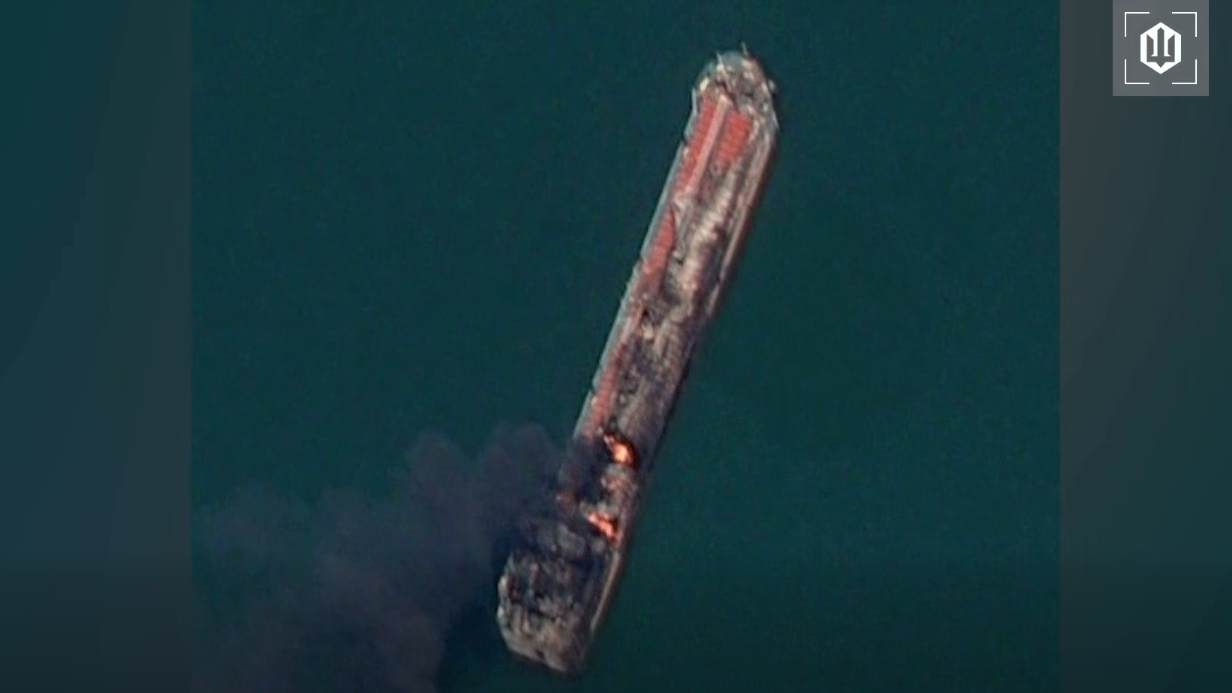
Operation MoLoChKa represents Ukraine’s latest effort to disrupt Russia’s economic lifeline — its oil and gas exports. Russia’s shadow fleet consists of aging tankers, often lacking proper insurance and flying flags of convenience, that transport Russian crude oil to buyers willing to ignore Western sanctions. This fleet has been crucial in maintaining Russia’s energy revenues despite international pressure, with estimates suggesting hundreds of vessels are involved in these operations.
Ukraine has increasingly targeted this maritime infrastructure using naval drones and other asymmetric capabilities developed throughout the conflict. The Black Sea, once dominated by Russia’s naval forces, has become an increasingly contested space where Ukrainian innovation has challenged traditional naval supremacy. Previous Ukrainian operations have already forced Russia’s Black Sea Fleet to relocate many vessels from Crimean ports to more distant locations in Novorossiysk and other facilities.
Implications for the Broader Conflict
The strategic implications of this reported redeployment extend beyond simple arithmetic. If confirmed, the withdrawal of 200 drone crews could meaningfully impact Russia’s ability to conduct reconnaissance and strike operations along the front lines. This comes at a particularly critical time, as both sides prepare for potential shifts in the conflict’s dynamics amid changing international political circumstances and ongoing negotiations.
Military experts suggest that Ukraine’s ability to force Russia into defensive resource allocation represents a sophisticated understanding of strategic pressure points. Rather than attempting to match Russia’s numerical advantages directly, Ukraine has identified vulnerable nodes in Russia’s war economy and military infrastructure. The shadow fleet, which generates billions of dollars in revenue that helps fund Moscow’s war effort, represents precisely such a vulnerability — one that Russia apparently cannot afford to leave undefended.
Expert Opinion: This development signals a potential inflection point in Ukraine’s asymmetric warfare strategy. By successfully threatening Russia’s economic infrastructure, Kyiv is demonstrating that resource constraints work both ways — forcing Moscow to make increasingly difficult tradeoffs between protecting its revenue streams and maintaining offensive pressure on the battlefield. If sustained, this approach could compound Russia’s already significant manpower and equipment challenges in the coming months.