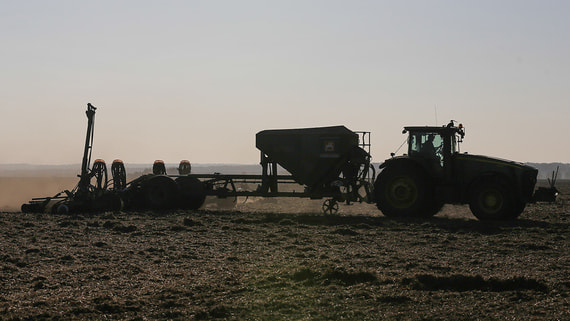

The Russian agricultural sector is confronting a significant demographic challenge that threatens its long-term productivity and sustainability. According to recent data from 2025, only 15.5% of employees working at agricultural enterprises across Russia are under the age of 35. This alarming statistic has prompted industry experts to warn of an impending labor shortage as the core workforce of experienced specialists continues to age without adequate replacement by younger generations.
The agricultural industry, which remains a cornerstone of the Russian economy and plays a vital role in ensuring food security for the nation’s 146 million citizens, has traditionally struggled to attract young professionals. Rural areas continue to experience significant population decline as younger Russians migrate to urban centers in search of better economic opportunities, higher salaries, and improved quality of life. This urban migration pattern, which has accelerated over the past two decades, has left many agricultural regions with aging populations and shrinking labor pools.
Historical Context and Structural Challenges
The current demographic imbalance in Russian agriculture has deep historical roots. Following the collapse of the Soviet Union in 1991, the collective farming system was dismantled, leading to significant disruption in agricultural employment patterns. During the turbulent 1990s and early 2000s, many young people abandoned rural areas as agricultural enterprises faced severe economic difficulties. While government investment in the agricultural sector has increased substantially since 2010, particularly following the introduction of Western sanctions in 2014 which prompted a renewed focus on domestic food production, the sector has struggled to reverse decades of youth exodus from rural communities.
Infrastructure deficiencies in many agricultural regions compound the problem of attracting young workers. Limited access to quality healthcare, educational institutions, entertainment venues, and reliable internet connectivity makes rural employment less appealing to younger generations accustomed to urban amenities. Housing shortages and lower wages compared to urban industries further discourage young professionals from pursuing careers in agriculture. Industry analysts note that average salaries in the agricultural sector remain 20-30% below the national average, making it difficult to compete with other sectors for talented young workers.
Expert Analysis and Industry Response
Agricultural industry experts have expressed serious concern about the sustainability of current workforce demographics. The aging of the experienced specialist core, combined with insufficient influx of young professionals, creates a knowledge transfer crisis. Veteran agricultural workers possess invaluable practical expertise accumulated over decades, but without adequate numbers of young apprentices and successors, this institutional knowledge risks being lost. Specialists warn that if current trends continue, Russia could face critical shortages of agronomists, veterinarians, agricultural engineers, and farm managers within the next decade.
In response to these challenges, the Russian government has implemented various programs aimed at attracting young people to agricultural careers. These initiatives include scholarships for students pursuing agricultural education, subsidized housing programs for young rural professionals, and grants for young farmers starting their own enterprises. Some regions have introduced additional incentives such as land grants and preferential loan terms for young agricultural entrepreneurs. However, experts argue that these measures, while helpful, remain insufficient to fundamentally shift demographic trends in the sector.
The agricultural industry is also increasingly turning to technological solutions to address labor shortages. Investments in automation, precision farming technologies, robotics, and artificial intelligence are helping to reduce dependence on manual labor while improving productivity. Modern agricultural enterprises are implementing GPS-guided machinery, automated irrigation systems, and drone-based crop monitoring to maximize efficiency with smaller workforces. These technological advances may help mitigate some effects of the demographic crisis, though they also require skilled technical personnel who are themselves in short supply.
Looking Forward: Potential Solutions and Outlook
Addressing the youth deficit in Russian agriculture will require comprehensive, long-term strategies that go beyond financial incentives alone. Industry leaders emphasize the need for fundamental improvements in rural infrastructure, including better roads, telecommunications, healthcare facilities, and educational opportunities. Creating attractive living conditions in agricultural regions is seen as essential for retaining young families and building sustainable rural communities. Additionally, improving the public perception of agricultural careers through media campaigns and educational outreach may help attract more young people to the sector.
International experience offers some guidance for potential solutions. Countries like Israel, the Netherlands, and Denmark have successfully modernized their agricultural sectors by combining advanced technology with targeted youth engagement programs. These nations have demonstrated that agriculture can be transformed into a high-tech, knowledge-intensive industry attractive to young professionals. Russian policymakers and industry leaders are studying these models as they develop strategies to secure the future of the nation’s agricultural workforce and ensure continued food security for coming generations.
Expert Opinion: The 15.5% youth participation rate represents a critical warning sign for Russian agriculture that demands immediate policy intervention. Without substantial investment in rural infrastructure and competitive compensation packages, the sector faces not only labor shortages but a fundamental knowledge gap as experienced specialists retire. The next five years will be decisive in determining whether Russia can reverse these trends or face significant agricultural productivity declines by the early 2030s.