Russian energy giant Gazprom has seen its market capitalization plummet to a historic low of $25.6 billion, as prolonged negotiations over the “Power of Siberia 2” pipeline with China remain deadlocked. The dramatic decline reflects growing investor concerns about the company’s future revenue streams and its ability to pivot away from lost European markets. Once valued among the world’s most powerful energy corporations, Gazprom now finds itself in an increasingly precarious position as geopolitical realities continue to reshape global energy markets.
The Power of Siberia 2 Stalemate
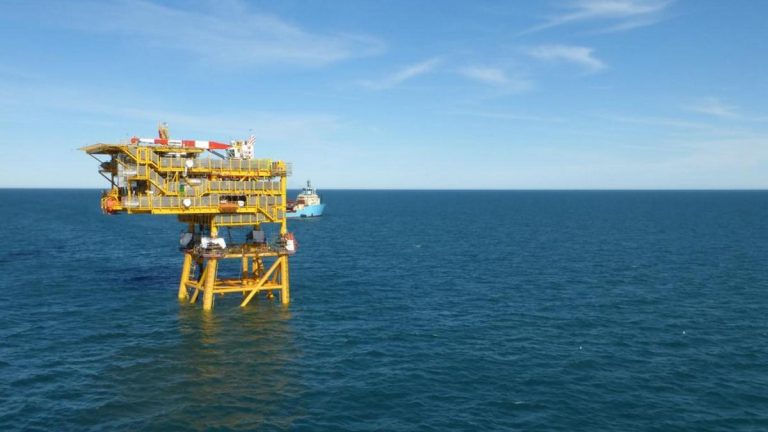
The “Power of Siberia 2” project was envisioned as a massive natural gas pipeline that would transport 50 billion cubic meters of gas annually from Russia’s Yamal fields to China through Mongolia. For Moscow, this pipeline represented a critical lifeline that could partially compensate for the dramatic loss of European gas sales following the 2022 invasion of Ukraine. However, negotiations between Russian and Chinese officials have stalled repeatedly, with Beijing reportedly demanding significant price discounts and terms that would heavily favor Chinese interests.
China’s negotiating position has strengthened considerably as Russia’s options have narrowed. With European markets effectively closed and few alternative buyers capable of absorbing such massive gas volumes, Chinese negotiators have leveraged this asymmetry to push for prices reportedly 30-40% below what Russia had hoped to secure. Additionally, China has been diversifying its own energy sources, increasing LNG imports from Qatar, Australia, and the United States, while also expanding domestic renewable energy capacity at an unprecedented rate.
Gazprom’s Fall from Grace
The current valuation of $25.6 billion marks a stunning reversal for a company that was once worth over $300 billion at its peak in 2008. Gazprom had long been considered a crown jewel of Russian state assets, with its vast reserves and extensive pipeline network giving it enormous geopolitical leverage, particularly over European energy security. The company supplied approximately 40% of Europe’s natural gas needs before the conflict in Ukraine fundamentally altered the energy landscape.
Following Western sanctions and Europe’s deliberate pivot away from Russian energy dependence, Gazprom reported its first annual net loss in over two decades for the 2023 fiscal year. The loss of European customers, who paid premium prices for Russian gas, has proven impossible to offset through increased Asian sales. The existing “Power of Siberia 1” pipeline to China operates at a fraction of the capacity that European pipelines once utilized, and the prices negotiated with Beijing are substantially lower than those previously paid by European utilities.
Broader Implications for Russian Energy Strategy
The Gazprom situation illustrates the broader challenges facing Russia’s entire energy-dependent economy. Energy exports historically accounted for approximately 40% of federal budget revenues, and the loss of premium European markets has created significant fiscal pressures. While oil exports have proven somewhat more fungible, with Russian crude finding buyers in India and China at discounted prices, natural gas infrastructure is far less flexible due to its dependence on fixed pipeline routes.
Industry analysts suggest that even if the Power of Siberia 2 negotiations eventually succeed, it would take at least five to seven years to construct the pipeline and bring it to full operational capacity. This timeline, combined with China’s strong negotiating position, means that Gazprom faces an extended period of reduced revenues and limited growth prospects. Some experts have begun questioning whether the massive infrastructure investment would ever generate returns comparable to what the company previously earned from European sales.
The situation has also raised questions about Russia’s long-term economic strategy and its ability to maintain energy sector investments during a period of prolonged conflict and sanctions pressure. Gazprom’s declining valuation serves as a stark indicator of how dramatically the geopolitical landscape has shifted since 2022, with consequences that will likely reverberate through global energy markets for decades to come.
Expert Opinion: The Gazprom situation represents a structural rather than cyclical decline, as the company’s business model was built around European infrastructure that is now largely stranded. China recognizes it holds significant leverage and is unlikely to offer Russia favorable terms when alternative suppliers are available. This deadlock may persist for years, fundamentally reshaping not only Gazprom’s future but also Russia’s broader geopolitical influence as an energy superpower.