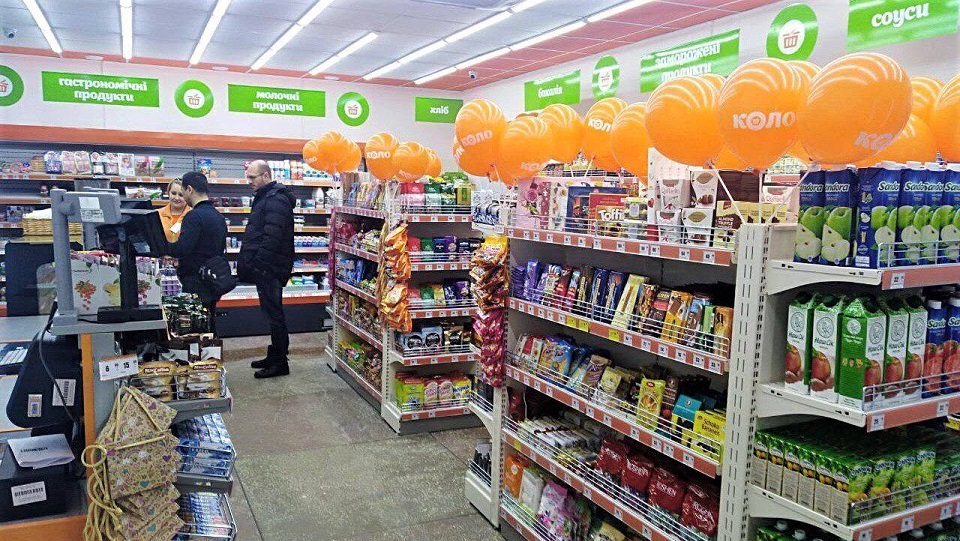
Ukraine’s retail sector is witnessing another significant consolidation move as the Antimonopoly Committee of Ukraine (AMCU) has granted approval for a major acquisition in the grocery market. The regulatory body has authorized LLC “Omega” to acquire controlling interest in LLC “Aritail,” effectively allowing the Varus supermarket chain to take over the Kolo retail network. This transaction marks another step in the ongoing transformation of Ukraine’s competitive retail landscape.
The approval comes at a critical time for Ukrainian retail, as the sector continues to adapt to wartime economic conditions while simultaneously pursuing growth and consolidation strategies. Varus, one of Ukraine’s prominent regional supermarket chains, has been actively expanding its footprint, and this acquisition represents a strategic move to strengthen its market position against larger competitors.
Understanding the Players: Varus and Kolo Networks
Varus operates as one of Ukraine’s established regional supermarket chains, with a strong presence particularly in the Dnipropetrovsk region and surrounding areas. The chain has built its reputation on offering a combination of competitive pricing and convenient locations, appealing to middle-class Ukrainian consumers. Over the years, Varus has steadily expanded through both organic growth and strategic acquisitions, positioning itself as a significant player in the country’s fragmented grocery retail market.
The Kolo retail network, operating under LLC “Aritail,” represents a complementary business that adds valuable store locations and customer base to the acquiring company’s portfolio. Such acquisitions allow retail chains to rapidly expand their geographic coverage without the time and capital investment required to build new stores from the ground up. The integration of Kolo’s operations into the Varus network is expected to create operational synergies and enhance the combined entity’s purchasing power with suppliers.
The Role of AMCU in Market Regulation
The Antimonopoly Committee of Ukraine serves as the nation’s primary competition regulator, responsible for preventing monopolistic practices and ensuring fair market competition. All significant mergers and acquisitions must receive AMCU approval before proceeding, with the regulator assessing whether proposed transactions would negatively impact market competition or consumer interests. The committee’s approval of the Omega-Aritail deal indicates that regulators determined the acquisition would not create an unacceptable concentration of market power in the affected retail markets.
Ukraine’s retail sector has seen numerous consolidation activities in recent years, with AMCU playing a crucial gatekeeping role in maintaining competitive balance. The regulatory framework requires companies to demonstrate that their proposed combinations will not substantially lessen competition or lead to consumer harm through higher prices or reduced choice. The approval process typically involves detailed market analysis, including assessment of market shares, competitive dynamics, and potential barriers to entry for other market participants.
Ukrainian Retail Sector Trends and Future Outlook
The Ukrainian grocery retail market remains highly fragmented compared to Western European standards, with numerous regional and national chains competing alongside independent stores and traditional markets. This fragmentation has created significant opportunities for consolidation, as larger players seek economies of scale and broader geographic reach. Major retailers including ATB, Silpo, Novus, and Fozzy Group continue to compete aggressively for market share, driving innovation in formats, pricing strategies, and customer service.
Despite the challenges posed by the ongoing conflict, Ukraine’s retail sector has demonstrated remarkable resilience. Companies have adapted their supply chains, rebuilt damaged infrastructure, and continued serving customers even in difficult circumstances. The continuation of merger and acquisition activity, such as the Varus-Kolo deal, signals confidence in the sector’s long-term prospects and the determination of Ukrainian businesses to pursue growth strategies despite external pressures. Industry analysts expect further consolidation as companies seek to build scale advantages and strengthen their competitive positions in preparation for the eventual post-war economic recovery.
Expert Opinion: This acquisition reflects a broader trend of strategic consolidation in Ukrainian retail, where regional players are building scale to compete more effectively with national chains. The AMCU approval suggests regulators see sufficient competition remaining in affected markets, but continued M&A activity will require careful monitoring to prevent excessive market concentration. Looking ahead, we can expect more mid-sized regional chains to either acquire competitors or become acquisition targets themselves as the sector matures.