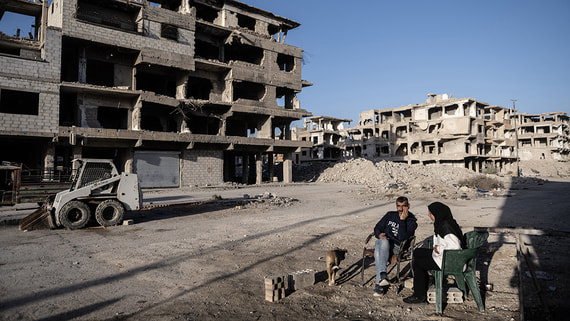
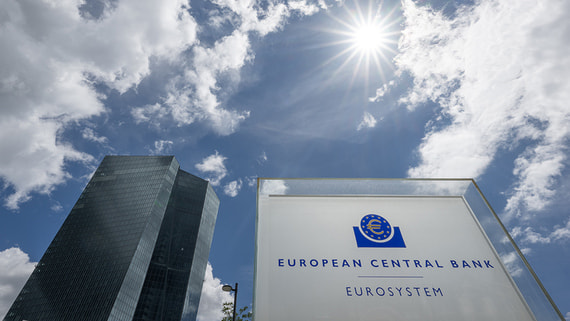
As geopolitical tensions continue to escalate in the Middle East, financial analysts and economic experts are closely monitoring the European Central Bank’s monetary policy trajectory. According to leading market observers, the ECB is expected to proceed with another interest rate increase in September, despite the growing uncertainty stemming from regional conflicts that threaten to disrupt global energy markets and supply chains. This anticipated move reflects the central bank’s unwavering commitment to combating persistent inflationary pressures across the eurozone, even as external risks mount on multiple fronts.
The ongoing conflict in the Middle East has introduced a new layer of complexity to the ECB’s decision-making process. Energy prices, which had shown signs of stabilization earlier in the year, are once again under pressure as markets factor in potential supply disruptions. Europe, still recovering from the energy crisis triggered by the Russia-Ukraine conflict, remains particularly vulnerable to oil and gas price volatility. The region’s heavy dependence on imported energy means that any significant disruption in Middle Eastern supply routes could quickly translate into higher consumer prices, complicating the ECB’s inflation-fighting efforts.
Historical Context of ECB Rate Policy
The European Central Bank has been on an aggressive rate-hiking cycle since July 2022, when it raised interest rates for the first time in over a decade. This marked a dramatic shift from the ultra-loose monetary policy that had characterized the post-2008 financial crisis era. Since then, the ECB has implemented multiple consecutive rate increases, bringing the main refinancing rate to levels not seen since the early 2000s. The central bank’s primary mandate remains price stability, with an inflation target of 2% over the medium term. However, eurozone inflation has consistently exceeded this target, prompting policymakers to maintain their hawkish stance despite growing concerns about economic growth.
ECB President Christine Lagarde has repeatedly emphasized the institution’s data-dependent approach, signaling that future rate decisions will be guided by incoming economic indicators rather than predetermined paths. This flexibility has become increasingly important as the economic landscape grows more uncertain. Recent data shows that while headline inflation has declined from its peak levels, core inflation—which excludes volatile food and energy prices—remains stubbornly elevated, suggesting that underlying price pressures have not yet been fully contained.
Expert Analysis and Market Expectations
Financial market participants and institutional economists have largely priced in a September rate hike, with many expecting an increase of 25 basis points. Deutsche Bank analysts have noted that the ECB faces a delicate balancing act between addressing inflation and avoiding excessive tightening that could tip the eurozone into recession. The manufacturing sector across major European economies, particularly Germany, has already shown signs of contraction, raising questions about the sustainability of further monetary tightening. Nevertheless, experts argue that premature policy easing could allow inflation to become entrenched, potentially requiring even more aggressive measures in the future.
The Middle East situation adds another dimension to these calculations. Rising oil prices act as both an inflationary force and a tax on economic activity, creating a stagflationary dynamic that central banks find particularly challenging to address. Some analysts suggest that the ECB may need to look through temporary energy-related price spikes while remaining vigilant about second-round effects, such as wage-price spirals. The labor market across the eurozone remains tight, and workers have been increasingly successful in negotiating higher wages to offset the cost of living increases, a trend that concerns monetary policymakers.
Implications for the Eurozone Economy
The trajectory of ECB policy will have far-reaching implications for households, businesses, and governments across the eurozone. Higher interest rates increase borrowing costs for consumers and corporations, potentially dampening investment and consumption. The real estate sector has already felt the impact, with property prices softening in several European markets after years of steady appreciation. Meanwhile, highly indebted eurozone members, particularly in Southern Europe, face increased debt servicing costs, reviving concerns about fiscal sustainability that had largely faded during the low-rate era. As the ECB navigates these competing pressures, its decisions in the coming months will be crucial in determining whether Europe can achieve a soft landing or faces a more challenging economic adjustment.
Expert Opinion: The ECB finds itself at a critical juncture where geopolitical risks and domestic inflation dynamics are pulling policy considerations in different directions. Most likely, the central bank will prioritize its credibility on inflation, proceeding with measured rate increases while closely monitoring Middle East developments. Markets should prepare for sustained higher rates through at least early 2024, with the pace of any subsequent easing dependent on both inflation trajectory and the evolution of external risks.