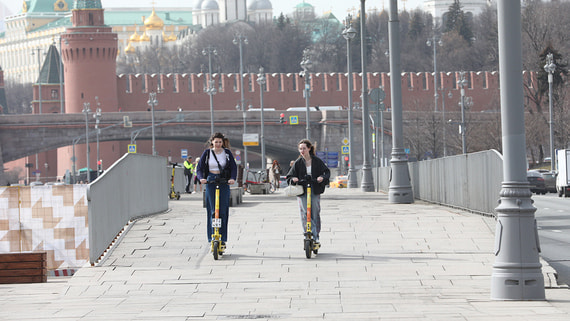
Moscow has solidified its position as the world’s leading capital city in the electric scooter sharing industry, with the market demonstrating remarkable growth of 14% over the past year. The Russian capital now tops global rankings in revenue generation, fleet size, and total number of trips completed, surpassing major metropolitan areas including Paris, Berlin, and New York. This achievement reflects both the city’s embrace of micro-mobility solutions and the successful integration of kick scooter services into Moscow’s broader transportation ecosystem.
The rapid expansion of the kicksharing market in Moscow represents a significant shift in urban mobility patterns, with millions of residents and visitors increasingly choosing electric scooters for their daily commutes and leisure trips. Industry analysts attribute this growth to a combination of factors, including improved infrastructure, favorable regulatory frameworks, and changing consumer preferences toward more sustainable and flexible transportation options.
Market Dynamics and Industry Growth
The 14% growth in Moscow’s kicksharing sector comes amid a period of consolidation and maturation for the global micro-mobility industry. While many cities around the world have seen electric scooter services struggle with profitability and regulatory challenges, Moscow has created an environment where these services can thrive. The city’s kicksharing operators have expanded their combined fleet to tens of thousands of vehicles, with some estimates suggesting the total number of available scooters exceeds 100,000 during peak season.
Revenue in the Moscow market has grown substantially, driven by increased ridership and optimized pricing strategies. The average trip duration and distance have also increased, indicating that users are becoming more comfortable with electric scooters as a legitimate transportation option rather than merely a novelty. Major operators in the market, including Whoosh, Urent, and Yandex, have invested heavily in fleet maintenance and customer experience, contributing to higher user satisfaction and repeat usage rates.
Infrastructure and Regulatory Framework
Moscow’s success in the kicksharing sector is closely linked to significant investments in urban infrastructure over the past decade. The city has developed an extensive network of dedicated lanes for bicycles and electric scooters, making it safer and more convenient for riders to navigate busy streets. Additionally, Moscow’s parks, embankments, and pedestrian zones provide ideal environments for scooter usage, particularly during the warmer months when demand peaks.
The regulatory environment has also evolved to accommodate the growing presence of electric scooters. Russian authorities have implemented rules governing speed limits, parking zones, and rider behavior, striking a balance between promoting micro-mobility and ensuring public safety. These regulations have helped reduce conflicts between scooter riders, pedestrians, and motorists, creating a more harmonious urban transportation landscape. The city has also invested in technology solutions to enforce parking rules and prevent scooters from cluttering sidewalks and public spaces.
Global Comparison and Future Outlook
Moscow’s achievement in becoming the world’s leading capital for kicksharing is particularly notable when compared to other major cities that pioneered the industry. Paris, once considered the global leader in electric scooter adoption, has recently imposed stricter regulations and even conducted a referendum on banning rental scooters from the city center. Meanwhile, cities like Berlin and London continue to operate pilot programs with limited geographic coverage. Moscow’s more permissive yet structured approach has allowed the market to develop organically while maintaining order.
Looking ahead, industry experts predict continued growth in Moscow’s kicksharing market, though at a more moderate pace as the sector matures. Operators are focusing on profitability and sustainability rather than rapid expansion, investing in longer-lasting vehicles and more efficient operations. The integration of electric scooters with public transportation systems, including metro stations and bus stops, is expected to further boost ridership. Additionally, technological advancements such as improved battery life and smart parking systems will enhance the user experience and operational efficiency in the coming years.
Expert Opinion: The sustained growth of Moscow’s kicksharing market demonstrates that micro-mobility can succeed at scale when supported by appropriate infrastructure and balanced regulation. As other global capitals grapple with how to integrate electric scooters into their transportation networks, Moscow’s model offers valuable lessons in creating an ecosystem where operators, users, and city authorities all benefit. We anticipate the market will continue to evolve, with increasing emphasis on seasonal optimization and intermodal connectivity becoming key differentiators for leading operators.