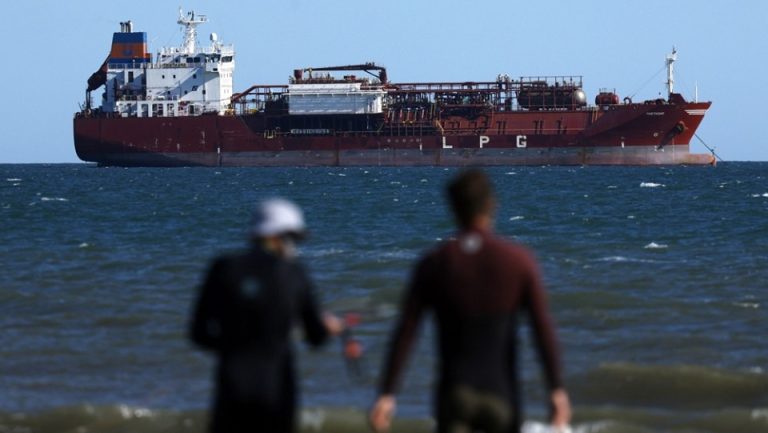
The Ukrainian Cabinet of Ministers has formally requested the National Bank of Ukraine (NBU) to soften requirements regarding the timeframes within which agricultural exporters must repatriate foreign currency earnings. This appeal comes as the suspension of maritime port operations has dramatically extended logistics routes for Ukrainian agricultural exports, creating significant financial strain on the sector that serves as a backbone of the national economy.
The request highlights the cascading effects of ongoing security challenges on Ukraine’s agricultural industry, which has been forced to adapt to rapidly changing circumstances. With traditional Black Sea shipping routes severely disrupted, farmers and agricultural companies are facing unprecedented delays in completing export transactions, making it increasingly difficult to meet existing currency repatriation deadlines set by the central bank.
Impact of Port Closures on Agricultural Logistics
The closure and restricted operation of Ukraine’s major Black Sea ports, including Odesa and Mykolaiv, has fundamentally transformed how Ukrainian agricultural products reach international markets. Before the current crisis, approximately 90% of Ukraine’s grain exports passed through these maritime facilities, establishing the country as one of the world’s leading grain exporters. Ukraine has historically been among the top five global exporters of wheat, corn, and sunflower oil, with agricultural products accounting for roughly 40% of the country’s total export revenue.
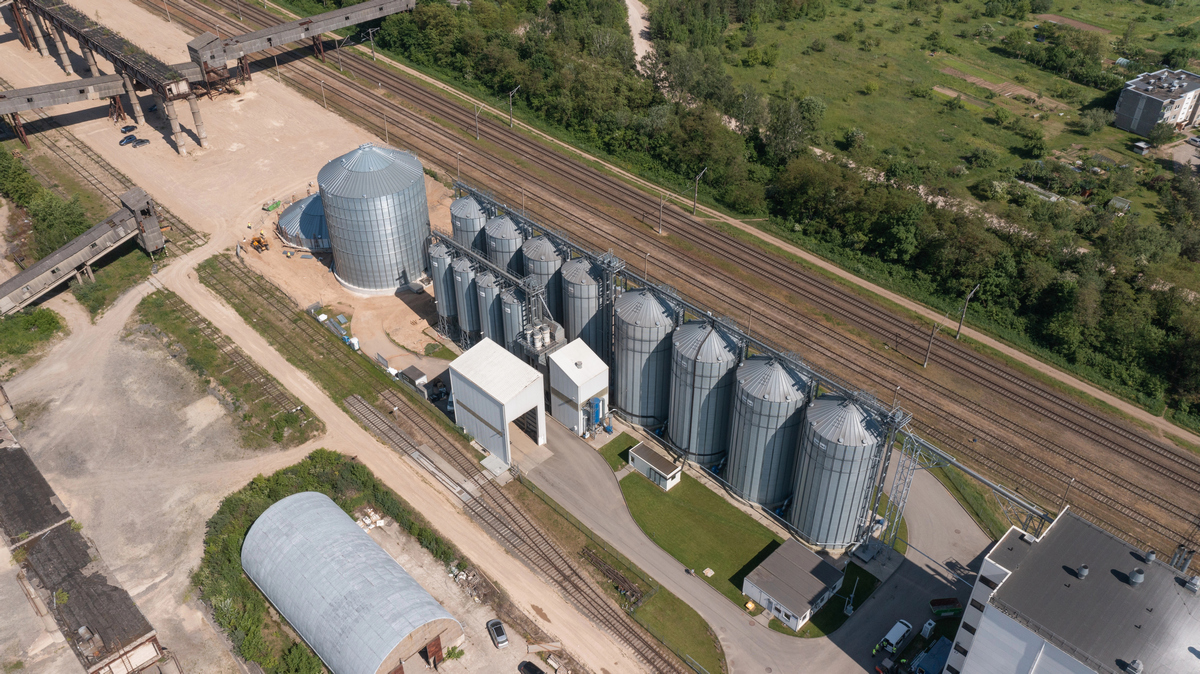
With sea routes compromised, exporters have been forced to rely heavily on alternative transportation methods, primarily rail and road networks through neighboring European Union countries including Poland, Romania, and Hungary. These overland routes are significantly more expensive and time-consuming than maritime shipping. Industry experts estimate that transportation costs have increased by three to five times, while delivery times have extended from days to weeks or even months in some cases.
Currency Regulations and Financial Pressures
Ukraine’s currency repatriation requirements mandate that exporters return foreign currency earnings to the country within specified timeframes, a measure designed to maintain foreign exchange reserves and support the national currency, the hryvnia. Under normal circumstances, these regulations help ensure a steady flow of hard currency into the Ukrainian economy. However, the extended logistics timelines have made compliance increasingly challenging for agricultural businesses operating under current conditions.
The agricultural sector has been particularly vocal about the need for regulatory flexibility. Industry associations have pointed out that delayed shipments mean delayed payments, which in turn makes it impossible to meet existing repatriation deadlines without incurring penalties. Many farming operations are already operating on thin margins due to increased input costs, labor shortages, and infrastructure damage, making additional financial penalties potentially devastating.
Broader Economic Implications and Expert Analysis
The Cabinet’s request to the NBU reflects the government’s recognition that maintaining agricultural export capacity is crucial for Ukraine’s economic survival. Agriculture contributes approximately 10% of Ukraine’s GDP directly, with much higher indirect contributions when considering related industries such as food processing, transportation, and equipment manufacturing. The sector also plays a vital role in global food security, as Ukrainian exports help feed populations across Africa, the Middle East, and Asia.
Financial analysts suggest that the NBU will likely need to balance several competing priorities in responding to this request. While easing currency repatriation requirements could provide necessary relief to farmers, it could also potentially impact foreign exchange reserves at a time when maintaining economic stability is paramount. The central bank has already implemented various wartime measures to support the economy while managing currency pressures, and any adjustments will need to be carefully calibrated.
Looking forward, the resolution of this issue will have significant implications not only for Ukrainian farmers but also for global food markets. International observers continue to monitor Ukraine’s agricultural export capacity closely, as disruptions can have ripple effects on food prices worldwide. The development underscores the interconnected nature of modern agricultural trade and the complex challenges facing Ukraine’s economy during an extraordinarily difficult period.
Expert Opinion: The NBU is likely to grant at least partial relief on repatriation deadlines, as the alternative—penalizing farmers unable to meet requirements due to circumstances beyond their control—would risk accelerating bankruptcies in a sector vital to both national revenue and global food supply. Expect a temporary extension of 60 to 120 days, with possible sector-specific exemptions, as a pragmatic compromise between fiscal discipline and economic survival.