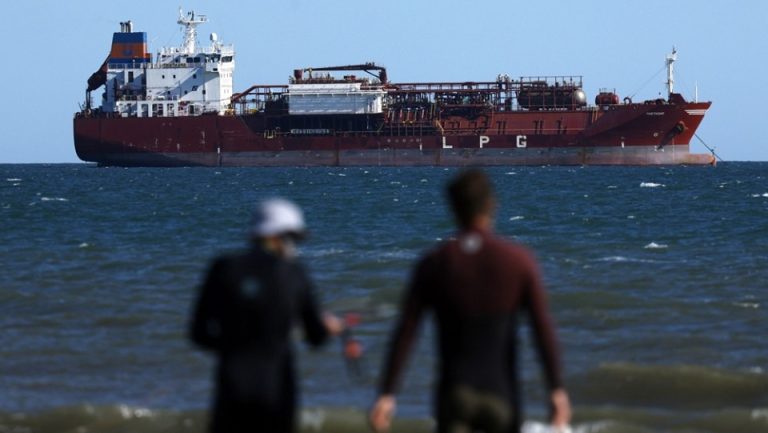

The United States is considering a new legislative package that would impose stricter sanctions on Russian oil exports, a move that could significantly complicate ongoing trade negotiations with India, according to sources familiar with the matter cited by Bloomberg. The proposed measures come as Washington continues its efforts to limit Moscow’s energy revenues following Russia’s invasion of Ukraine, while simultaneously trying to strengthen economic ties with New Delhi as part of its broader Indo-Pacific strategy.
India, which has emerged as one of the largest buyers of Russian crude oil since 2022, is unlikely to publicly criticize the new US sanctions bill, the sources indicated. However, the legislation creates a delicate diplomatic situation for New Delhi, which has carefully maintained its strategic autonomy while balancing relationships with both Western powers and Russia. Indian officials are reportedly concerned that aggressive secondary sanctions could impact their energy security and economic interests.
India’s Growing Dependence on Russian Oil
Since the outbreak of the Russia-Ukraine conflict in February 2022, India has dramatically increased its imports of Russian crude oil, taking advantage of steep discounts offered by Moscow as Western buyers retreated from the market. Before the war, Russian oil accounted for less than 2% of India’s total crude imports. That figure has since surged to approximately 35-40%, making Russia India’s single largest oil supplier, surpassing traditional partners like Saudi Arabia and Iraq.
This shift has provided significant economic benefits to India, the world’s third-largest oil importer and consumer. The discounted Russian crude has helped India manage inflation and reduce its import bill at a time of global economic uncertainty. Indian refiners have processed Russian oil and, in some cases, exported refined petroleum products to European and American markets, creating a complex supply chain that has drawn scrutiny from Western governments.
US-India Trade Relations at a Crossroads
The timing of the proposed sanctions legislation is particularly sensitive given the current state of US-India bilateral relations. The two nations have been engaged in negotiations aimed at deepening economic cooperation and potentially reaching a comprehensive trade agreement. The Biden administration, and now the incoming Trump administration, have identified India as a critical partner in efforts to counter China’s growing influence in the Indo-Pacific region.
However, India’s continued engagement with Russia has been a persistent point of friction. While Washington has largely tolerated India’s oil purchases, understanding New Delhi’s energy security concerns, the new legislation could introduce mandatory restrictions that leave less room for diplomatic flexibility. Industry analysts suggest that secondary sanctions targeting tankers, insurers, and financial institutions involved in Russian oil trade could force India to make difficult choices between its economic interests and its strategic partnership with the United States.
The Broader Geopolitical Context
The proposed sanctions bill reflects growing frustration in Washington over the limited effectiveness of existing measures against Russia’s oil sector. Despite the G7 price cap mechanism introduced in late 2022, Russia has continued to generate substantial revenue from energy exports by developing alternative shipping networks, using “shadow fleet” tankers, and finding willing buyers in Asia. Moscow’s oil revenues have proven more resilient than initially anticipated, funding its ongoing military operations in Ukraine.
For India, the situation underscores the challenges of maintaining its traditional policy of strategic autonomy in an increasingly polarized world. New Delhi has historically resisted pressure to align fully with any major power bloc, preferring to maintain relationships across geopolitical divides. This approach has served India’s interests but becomes increasingly difficult to sustain as great power competition intensifies and both the US and China seek firmer commitments from potential partners.
Trade experts note that any resolution will likely require careful diplomacy and possibly exemptions or transition periods that acknowledge India’s legitimate energy needs while advancing US policy objectives. The coming months will be critical in determining whether Washington and New Delhi can find common ground or whether energy policy differences will cast a shadow over their broader strategic partnership.
Expert Opinion: The proposed US sanctions legislation represents a significant escalation that could force a fundamental recalibration of India’s energy strategy. New Delhi will likely pursue quiet diplomatic channels to secure carve-outs or extended compliance timelines rather than publicly opposing Washington, but the underlying tension between India’s energy security imperatives and US geopolitical objectives will remain unresolved. Ultimately, how this situation unfolds could set important precedents for how middle powers navigate great power competition in the years ahead.