The German government is planning a significant restructuring of its defense budget, with intentions to reduce spending on conventional ammunition by 2027 in favor of investing in more advanced military technologies. This strategic pivot represents a major policy shift for Europe’s largest economy and could have substantial implications for the country’s defense industry, particularly for ammunition giant Rheinmetall, according to Bloomberg reports.
The decision comes at a particularly sensitive time for European defense planning, as the continent grapples with ongoing security concerns following Russia’s invasion of Ukraine. Germany, which historically maintained a relatively modest military posture following World War II, has been under increasing pressure from NATO allies to modernize its armed forces and meet the alliance’s spending targets. The planned budget reallocation suggests Berlin is betting on next-generation weapons systems rather than stockpiling traditional munitions.
Impact on Rheinmetall and the German Defense Industry
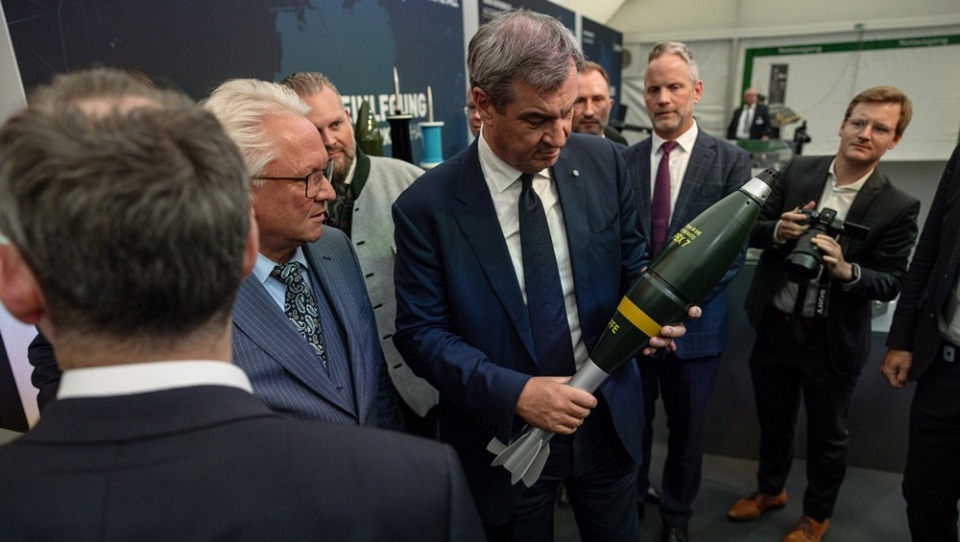
Rheinmetall, Germany’s largest ammunition manufacturer and a major player in the European defense sector, stands to be significantly affected by this policy change. The company has experienced remarkable growth since the outbreak of the Ukraine conflict, with its stock price surging as European nations rushed to replenish depleted weapons stockpiles and support Kyiv’s defense efforts. The Düsseldorf-based company has been expanding production capacity and hiring thousands of additional workers to meet surging demand for artillery shells and other conventional munitions.
However, the German government’s pivot toward advanced technologies signals a potential cooling of the ammunition boom that has benefited traditional defense contractors. Rheinmetall’s business model has heavily relied on large-scale ammunition contracts, and a reduction in government orders could force the company to accelerate its own diversification into high-tech defense solutions, including unmanned systems, electronic warfare capabilities, and advanced armor technologies.
The Push for Advanced Military Technologies
Germany’s shift toward modern military technologies reflects broader trends in contemporary warfare. The conflict in Ukraine has demonstrated both the enduring importance of conventional artillery and the transformative potential of drones, electronic warfare systems, and precision-guided munitions. Military analysts have noted that future conflicts will increasingly rely on artificial intelligence, autonomous systems, and cyber capabilities rather than sheer volumes of traditional ammunition.
The German government appears to be positioning the Bundeswehr for this technological transformation. Investments are expected to flow toward areas such as drone warfare systems, satellite communications, advanced air defense networks, and next-generation combat vehicles. This approach aligns with similar modernization efforts undertaken by other NATO members, including the United States and United Kingdom, which have prioritized technological superiority over mass production of conventional weapons.
Historical Context and NATO Commitments
Germany’s defense spending has been a contentious issue within NATO for decades. The country consistently fell short of the alliance’s target of spending 2% of GDP on defense, drawing criticism from American administrations and other NATO members. Following Russia’s 2022 invasion of Ukraine, Chancellor Olaf Scholz announced a historic “Zeitenwende” or turning point, committing €100 billion in additional defense spending and pledging to meet NATO targets going forward.
The current budget restructuring represents the next phase of this transformation, though critics argue that reducing ammunition spending could leave the Bundeswehr vulnerable in conventional conflict scenarios. Military experts emphasize that modern armies require both high-tech capabilities and sufficient stockpiles of basic munitions, particularly given the ammunition-intensive nature of the Ukraine conflict. The German government will need to carefully balance these competing priorities as it implements its 2027 budget plans, ensuring that technological advancement does not come at the cost of basic combat readiness.
Expert Opinion: Germany’s strategic pivot toward advanced military technologies reflects a calculated bet on the future of warfare, but the timing raises concerns given Europe’s current security environment. Defense analysts suggest that Berlin may need to maintain hybrid spending strategies, investing in both next-generation systems and maintaining adequate ammunition reserves. The true test will be whether Rheinmetall and other traditional contractors can successfully transition their business models before government orders decline, potentially reshaping the entire European defense industrial base in the process.