
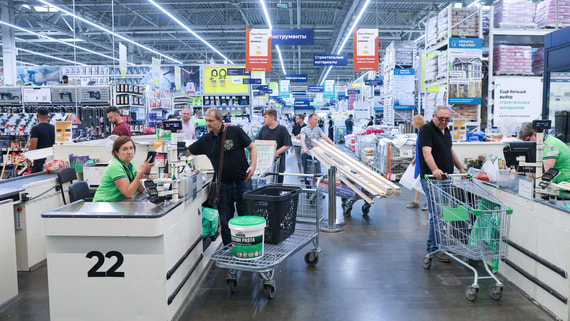
The economy demonstrated a notable turnaround in the second quarter, with Gross Domestic Product increasing by 1.3% following a contraction during the January-March period. This recovery marks a significant shift in economic momentum and has prompted analysts to examine the underlying factors that contributed to this positive change. The quarterly GDP data serves as a critical barometer for policymakers and investors alike, offering insights into the overall health of economic activity across various sectors.
The rebound from first-quarter weakness suggests that several key economic drivers aligned favorably during the April-June period. Consumer spending, which typically accounts for the largest portion of economic output, appears to have stabilized as households adjusted to prevailing market conditions. Additionally, business investment showed signs of resilience despite ongoing challenges in the global economic environment.
Factors Behind the Economic Turnaround
Several interconnected factors contributed to the improved GDP performance in the second quarter. Industrial production showed meaningful gains as supply chain disruptions that had plagued earlier months began to ease. The manufacturing sector, in particular, benefited from increased domestic demand and improved logistics networks. Energy sector contributions also played a role, with stable commodity prices supporting related industries and export revenues.
The services sector demonstrated particular strength during this period, with retail trade, transportation, and hospitality services all posting gains. Consumer confidence improvements translated into higher spending at restaurants, entertainment venues, and retail establishments. This broad-based recovery across service industries helped offset weakness in other economic segments and provided crucial support for overall GDP growth.
Historical Context and Comparative Performance
When viewed in historical context, the 1.3% quarterly growth represents a return to more typical economic patterns after the disruptions experienced in recent periods. Economists note that quarter-over-quarter fluctuations are common, and the ability to bounce back from a negative first quarter demonstrates underlying economic resilience. Previous economic cycles have shown similar patterns, where temporary contractions are followed by recovery periods as markets adjust and stabilize.
Comparative analysis with other major economies reveals that this growth trajectory aligns with broader global trends. Many nations have experienced similar volatility in their quarterly GDP figures as they navigate complex economic challenges including inflation management, monetary policy adjustments, and geopolitical uncertainties. The synchronized nature of these patterns suggests that both domestic and international factors influence economic performance.
Looking Ahead: Sustainability and Challenges
While the second-quarter results provide cause for cautious optimism, economists emphasize that sustaining this growth trajectory will require continued attention to several key areas. Monetary policy decisions, particularly regarding interest rates, will significantly impact borrowing costs for businesses and consumers. Investment in infrastructure and productivity-enhancing technologies remains essential for long-term economic competitiveness. Labor market conditions, including employment levels and wage growth, will also play crucial roles in determining whether the recovery maintains momentum into subsequent quarters.
Policymakers face the delicate task of supporting economic growth while managing inflationary pressures that could erode purchasing power. The balance between stimulating demand and maintaining price stability requires careful calibration of fiscal and monetary tools. Market participants will be closely monitoring upcoming economic indicators to assess whether the second-quarter improvement represents the beginning of a sustained expansion or merely a temporary respite from broader economic challenges.
Expert Opinion: The 1.3% GDP rebound in Q2 suggests the economy has demonstrated notable resilience, but this figure should be viewed with measured optimism. Sustainable growth in the coming quarters will largely depend on central bank policy decisions and how effectively inflationary pressures are contained without triggering a demand-side contraction. Investors should expect continued volatility as the economy navigates this complex transitional period.