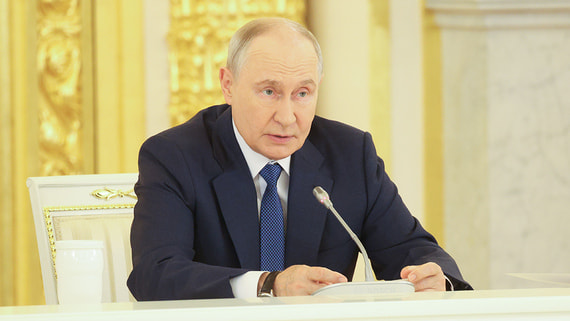
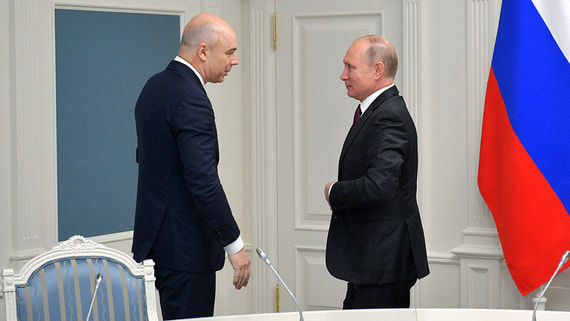
Russian President Vladimir Putin is set to convene a meeting of the Council for Strategic Development and National Projects, where regional budgets and fiscal planning will take center stage among the key discussion topics. The high-level gathering will also feature presentations on the results of implementing Russia’s structural transformation plan, as authorities seek to navigate the complex economic landscape shaped by ongoing international sanctions and domestic policy priorities.
The Strategic Development Council serves as one of the primary advisory bodies guiding Russia’s long-term economic and social policies. Established to coordinate major national initiatives, the council brings together top government officials, regional leaders, and economic experts to assess progress on ambitious development goals. These meetings have taken on heightened importance in recent years as Russia works to restructure its economy and maintain stability across its vast network of regional governments.
Regional Budget Pressures Mount Amid Economic Restructuring
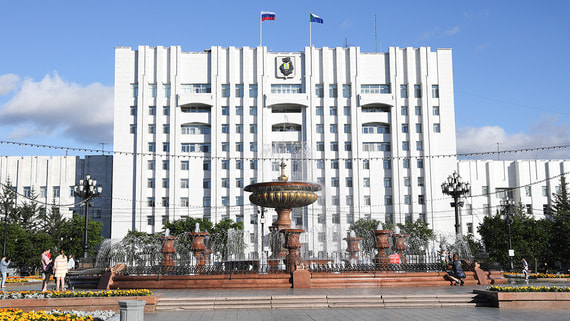
Regional budgets across Russia have faced mounting pressures as the country continues its economic pivot away from Western markets. Many Russian regions depend heavily on federal transfers and subsidies, making fiscal coordination between Moscow and regional capitals essential for maintaining public services and infrastructure development. The disparities between wealthy resource-producing regions and those dependent on agriculture or manufacturing have created complex challenges for federal planners attempting to ensure equitable development across the nation.
According to recent data from Russia’s Ministry of Finance, regional budget revenues have shown mixed results, with some areas experiencing growth from defense-related industries while others struggle with declining consumer spending and business activity. The reallocation of resources toward strategic sectors has required careful management to prevent social disruptions in regions less connected to priority industries. Local governments have been tasked with finding innovative solutions to maintain essential services while adhering to federal spending guidelines.
Structural Transformation Plan Under Review
The structural transformation plan, which will be a focal point of the upcoming meeting, represents Russia’s comprehensive strategy for reorienting its economy in response to unprecedented Western sanctions imposed since 2022. The plan encompasses import substitution initiatives, development of domestic manufacturing capabilities, and the cultivation of new trade partnerships with countries in Asia, the Middle East, and Africa. Officials are expected to present detailed metrics on achievements and shortfalls across various sectors targeted by the transformation agenda.
Key areas of focus include the technology sector, where Russia has invested heavily in developing domestic alternatives to Western software and hardware, and the automotive industry, which has struggled with supply chain disruptions. The agricultural sector has emerged as a relative success story, with Russia maintaining its position as a major global grain exporter while expanding domestic food production capabilities. Energy sector restructuring, including the redirection of oil and gas exports toward Asian markets, continues to represent both challenges and opportunities for federal and regional budgets alike.
Historical Context and Future Outlook
The Council for Strategic Development was reorganized and strengthened during Putin’s previous presidential terms as part of efforts to centralize planning for major national projects. These projects have historically included infrastructure development, healthcare modernization, education reform, and demographic initiatives aimed at addressing Russia’s declining population. The current emphasis on budget coordination reflects the administration’s recognition that regional financial health is fundamental to achieving broader national objectives.
Looking ahead, economists suggest that the meeting’s outcomes could signal the direction of Russian fiscal policy for the coming year. With federal elections and continued geopolitical tensions on the horizon, maintaining regional stability and public satisfaction with government services remains a priority. The balance between defense spending, social programs, and economic development investments will likely dominate discussions as officials work to chart a sustainable path forward for Russia’s diverse regions.
Expert Opinion: The convening of the Strategic Development Council at this juncture suggests Moscow is acutely aware of the strain that prolonged economic restructuring has placed on regional finances. The success of Russia’s transformation plan will ultimately depend on whether federal authorities can maintain sufficient resource flows to regions while simultaneously funding strategic priorities, a balancing act that will define the country’s economic resilience in the years ahead.