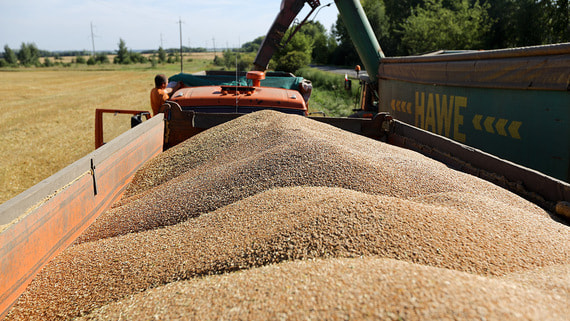
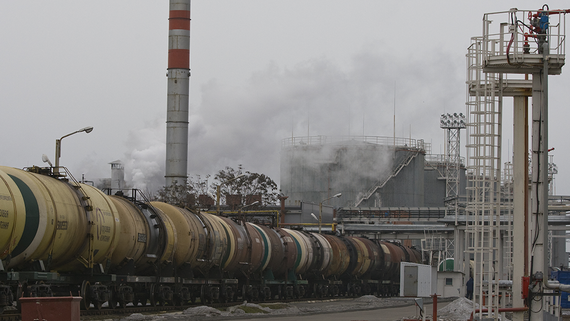
The Russian Ministry of Agriculture has announced it is accepting applications from agricultural producers seeking subsidies for railway transportation of grain. According to official reports, farmers from Crimea and several other regions have already submitted their requests for this financial support program, signaling significant interest from the agricultural sector in reducing transportation costs amid ongoing market challenges.
This subsidy program represents a crucial component of Russia’s broader agricultural support strategy, designed to help domestic grain producers remain competitive in both internal and export markets. Railway transportation remains the primary method for moving bulk agricultural commodities across Russia’s vast territory, and the associated costs can significantly impact farmers’ profit margins, particularly for those located in remote regions far from major ports and processing facilities.
Background and Economic Context
Russia has long been one of the world’s largest grain exporters, with wheat being a particularly significant commodity. The country’s agricultural sector has experienced substantial growth over the past decade, with grain production consistently exceeding 120 million tons annually in recent years. However, the geographical distribution of production areas often places considerable distance between farms and export terminals, making transportation infrastructure and associated costs critical factors in the industry’s overall competitiveness.
The railway subsidy program has historical precedent in Russian agricultural policy. Similar support mechanisms have been implemented during previous periods of market volatility or when domestic grain prices faced downward pressure due to oversupply. By offsetting transportation costs, the government aims to enable farmers in distant regions to access markets that would otherwise be economically unfeasible, effectively expanding the geographic reach of Russian grain production.
Regional Participation and Implementation
The participation of Crimean agricultural producers in this subsidy program is particularly noteworthy given the region’s unique economic circumstances. Since 2014, Crimea has faced significant logistical challenges, and agricultural producers there have had to adapt to new supply chain realities. Railway connections to mainland Russia provide essential links for Crimean farmers seeking to move their products to larger markets, making transportation subsidies especially valuable for this region’s agricultural economy.
Other participating regions are expected to include major grain-producing areas in southern Russia, the Volga region, and parts of Siberia. These areas collectively account for a substantial portion of Russia’s total grain output but face varying degrees of transportation cost burdens depending on their proximity to export facilities in the Black Sea and Baltic regions. The Ministry of Agriculture has established specific criteria for eligibility, typically requiring documentation of production volumes, transportation contracts, and compliance with quality standards.
Industry Impact and Future Outlook
Agricultural economists note that transportation subsidies can have significant ripple effects throughout the grain supply chain. By reducing costs for primary producers, these programs can help stabilize farm-gate prices, support rural employment, and ensure consistent supply to domestic consumers and export markets alike. The timing of this program coincides with preparations for the marketing of recent harvests, when transportation demand typically peaks and cost pressures are most acute.
Industry analysts suggest that the success of this subsidy program will depend largely on adequate funding allocation and efficient administrative processes for reviewing and approving applications. Previous iterations of similar programs have occasionally faced criticism for bureaucratic delays or insufficient budgetary support. The Ministry of Agriculture has indicated its commitment to streamlining application procedures and ensuring timely disbursement of funds to qualifying agricultural producers.
Expert Opinion: The railway transportation subsidy program demonstrates Russia’s continued commitment to supporting its agricultural sector during a period of significant geopolitical and economic uncertainty. Given the country’s status as a major global grain exporter, maintaining competitive logistics costs is essential for preserving market share. Analysts anticipate that robust participation in this program could help stabilize producer incomes and support continued investment in agricultural infrastructure across Russia’s key grain-producing regions.