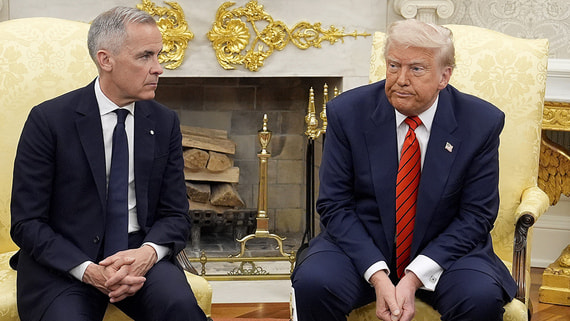
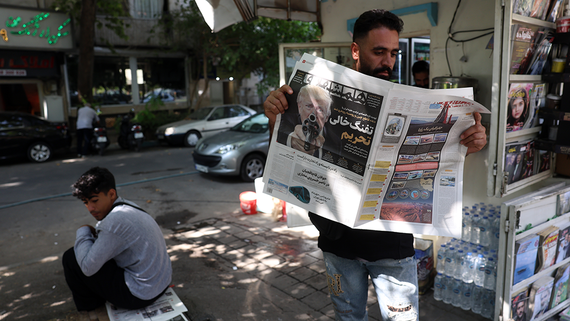
The United States appears poised to escalate its economic pressure campaign against Iran to unprecedented levels, with the Trump administration signaling intentions to transform the Islamic Republic into a complete “economic pariah” on the world stage. This aggressive posture raises critical questions about Washington’s capacity to wage what could become a global economic conflict, the tools at its disposal, and the potential ramifications for international trade relationships that have already been strained by years of tariff disputes and geopolitical tensions.
The current trajectory of U.S.-Iran relations represents a dramatic intensification of the “maximum pressure” campaign that characterized previous Trump administration policies. Analysts suggest that the renewed focus on Iran comes amid broader concerns about regional stability in the Middle East, Tehran’s nuclear program, and its alleged support for proxy forces across the region. The administration’s approach appears designed not merely to constrain Iranian economic activity but to fundamentally isolate the country from the global financial system.
The Arsenal of Economic Warfare
The United States possesses an formidable array of economic weapons that can be deployed against adversarial nations. At the core of this arsenal lies the dominance of the U.S. dollar in international trade, which gives Washington extraordinary leverage over global financial transactions. The SWIFT banking system, while technically headquartered in Belgium, remains heavily influenced by American policy decisions, allowing the Treasury Department to effectively cut targeted nations off from international banking networks. Secondary sanctions represent perhaps the most controversial tool in America’s economic warfare toolkit, enabling Washington to penalize foreign companies and financial institutions that continue doing business with sanctioned entities. This mechanism essentially forces international businesses to choose between access to the American market and maintaining commercial relationships with targeted countries. Historical precedent demonstrates the effectiveness of this approach—when secondary sanctions were fully implemented against Iran in 2018, major European corporations including Total, Siemens, and Daimler withdrew from the Iranian market despite their governments’ objections.
The Treasury Department’s Office of Foreign Assets Control maintains extensive lists of sanctioned individuals, companies, and vessels, creating a complex web of restrictions that complicate any attempt to circumvent American economic pressure. Additionally, the United States can leverage its influence over international financial institutions such as the International Monetary Fund and World Bank to further constrain targeted economies. These multilateral tools, combined with bilateral pressure on allies and trading partners, create a comprehensive system of economic coercion that few nations can fully resist.
Global Economic Implications and Allied Concerns
The prospect of an expanded sanctions war against Iran raises significant concerns among American allies, particularly in Europe and Asia. The European Union has historically sought to maintain economic ties with Iran following the 2015 nuclear agreement, developing mechanisms like INSTEX specifically designed to facilitate humanitarian trade outside the reach of U.S. sanctions. However, these alternative systems have proven largely ineffective against the overwhelming power of dollar-denominated commerce. China and India, both major importers of Iranian oil, face particularly difficult calculations as they balance their energy security needs against the risk of American economic retaliation. Beijing has shown willingness to absorb certain sanctions costs in pursuit of strategic objectives, but even Chinese financial institutions have demonstrated reluctance to directly challenge U.S. secondary sanctions that could jeopardize their access to American markets.
The broader implications of an intensified sanctions campaign extend beyond Iran itself. Critics argue that overuse of economic sanctions threatens to accelerate global de-dollarization efforts, as countries seek to reduce their vulnerability to American financial pressure. Russia, China, and other nations have already begun developing alternative payment systems and exploring increased use of local currencies in bilateral trade. While these efforts remain nascent compared to the dollar’s entrenched dominance, each new sanctions campaign potentially strengthens the incentive for America’s rivals to build parallel financial infrastructure. Furthermore, aggressive sanctions enforcement can strain relationships with traditional allies who resent being forced to align their commercial policies with American strategic objectives. European leaders have repeatedly expressed frustration with extraterritorial sanctions that compel their companies to abandon legitimate business opportunities.
Historical Context and Future Trajectory
The evolution of American sanctions policy reflects decades of experimentation with economic coercion as an alternative to military intervention. From the comprehensive embargoes against Cuba and North Korea to the targeted “smart sanctions” developed in response to criticism of humanitarian impacts, Washington has continuously refined its approach to economic warfare. The Iranian case represents perhaps the most sophisticated application of these techniques, combining restrictions on oil exports, banking access, and technology transfers with aggressive enforcement mechanisms targeting third-party violators. Looking ahead, the effectiveness of expanded sanctions will depend heavily on international cooperation and Iran’s ability to develop sanctions-resistant economic relationships. The country has demonstrated significant resilience despite years of economic pressure, maintaining domestic stability and regional influence even as its population endures substantial economic hardship. Whether a renewed maximum pressure campaign can achieve its stated objectives—or whether it will simply deepen Iranian isolation while accelerating global financial fragmentation—remains an open question that will shape international economic relations for years to come.
Expert Opinion: The expansion of U.S. sanctions against Iran signals a potential inflection point in the use of economic coercion as a foreign policy tool. While America’s financial dominance provides substantial leverage in the short term, the aggressive deployment of secondary sanctions risks catalyzing the very multipolar financial architecture that Washington seeks to prevent. The coming months will likely reveal whether maximum pressure tactics can achieve diplomatic objectives or whether they will accelerate the erosion of dollar hegemony that has underpinned American global influence since Bretton Woods.