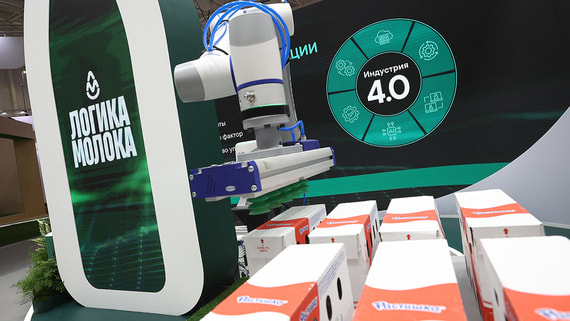
In a significant development reflecting Russia’s ongoing economic restructuring, a major dairy company has announced plans to construct a large-scale milk processing facility on the site of a former Mercedes-Benz warehouse in the Moscow region. The company, known as Logika Moloka (Milk Logic), has committed approximately 30 billion rubles to the ambitious project, marking one of the largest investments in Russia’s dairy sector in recent years. This transformation symbolizes the broader shift in the Russian economy as Western automotive brands have withdrawn from the market following geopolitical tensions and international sanctions.
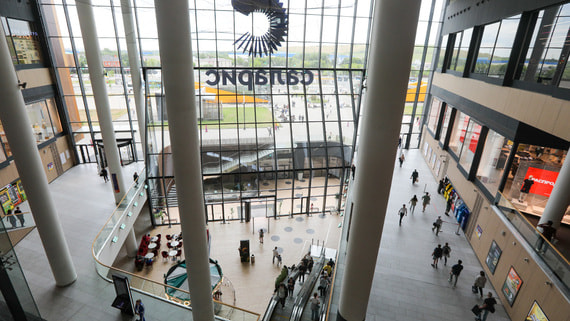
The decision to repurpose the former German automaker’s logistics facility represents a strategic pivot toward domestic food production and agricultural self-sufficiency. Mercedes-Benz, like many other Western companies, suspended its operations in Russia in 2022, leaving behind substantial industrial real estate that has since attracted interest from Russian businesses looking to expand their operations. The conversion of automotive infrastructure into food processing facilities has become an increasingly common pattern as the country redirects its economic priorities.
Investment Details and Production Capacity
The planned dairy processing plant represents a substantial commitment to Russia’s domestic food industry. With an investment of approximately 30 billion rubles, equivalent to roughly 330 million US dollars at current exchange rates, the facility is expected to become one of the most modern and technologically advanced dairy operations in the country. Industry analysts suggest that such large-scale investments are crucial for meeting domestic demand and reducing reliance on imported dairy products. The project is expected to create hundreds of jobs in the Moscow region, providing employment opportunities for local residents and potentially attracting skilled workers from the dairy industry nationwide.
Logika Moloka, the company behind the investment, has positioned itself as a growing player in Russia’s competitive dairy market. The firm is expected to utilize the strategic location of the former Mercedes-Benz warehouse, which was originally chosen for its excellent logistics connections and proximity to major transportation routes. These same advantages will now serve the dairy industry, enabling efficient distribution of fresh milk products to consumers across the Moscow metropolitan area and beyond. The facility’s location near the capital ensures access to one of Russia’s largest consumer markets, home to over 20 million people.
Russia’s Dairy Industry Transformation
The Russian dairy industry has undergone significant changes in recent years, driven by government policies promoting import substitution and food security. Following the implementation of counter-sanctions in 2014, which banned dairy imports from many Western countries, domestic producers have invested heavily in expanding production capacity. Russia currently produces approximately 32 million tons of raw milk annually, though experts suggest that additional processing capacity is needed to fully utilize domestic milk production and reduce waste. The new plant in the Moscow region will contribute to closing this gap and supporting Russian dairy farmers who have struggled to find sufficient processing outlets for their milk.
Historical data shows that Russia’s dairy sector has seen mixed results over the past decade. While production volumes have generally increased, the industry continues to face challenges including seasonal fluctuations in milk supply, aging infrastructure at some facilities, and competition from imported products that enter the market despite trade restrictions. The construction of new, state-of-the-art facilities like the one planned by Logika Moloka represents a strategic response to these challenges, bringing modern technology and increased efficiency to Russian dairy processing. Government support programs and subsidized lending have played important roles in enabling such large-scale investments.
Economic Implications and Future Outlook
The transformation of the former Mercedes-Benz site carries broader symbolic significance for Russia’s economic trajectory. As Western companies have departed, domestic businesses have moved to fill the void, often acquiring prime real estate and industrial facilities at favorable terms. This pattern has accelerated the development of certain sectors, particularly those aligned with government priorities such as food security and import substitution. The dairy industry stands to benefit considerably from this trend, as consumer demand for milk, cheese, yogurt, and other dairy products remains strong despite economic pressures. Market analysts predict that continued investment in processing capacity will help stabilize retail prices and improve product quality for Russian consumers in the coming years.
Expert Opinion: The conversion of former automotive logistics facilities into food processing plants reflects a fundamental realignment of Russia’s industrial priorities. With dairy consumption remaining stable and domestic production capacity still lagging behind potential demand, investments like Logika Moloka’s 30 billion ruble project are likely to generate strong returns while supporting government food security objectives. However, the long-term success of such ventures will depend heavily on maintaining stable relationships with dairy farmers and securing reliable access to raw milk supplies in an increasingly competitive market.