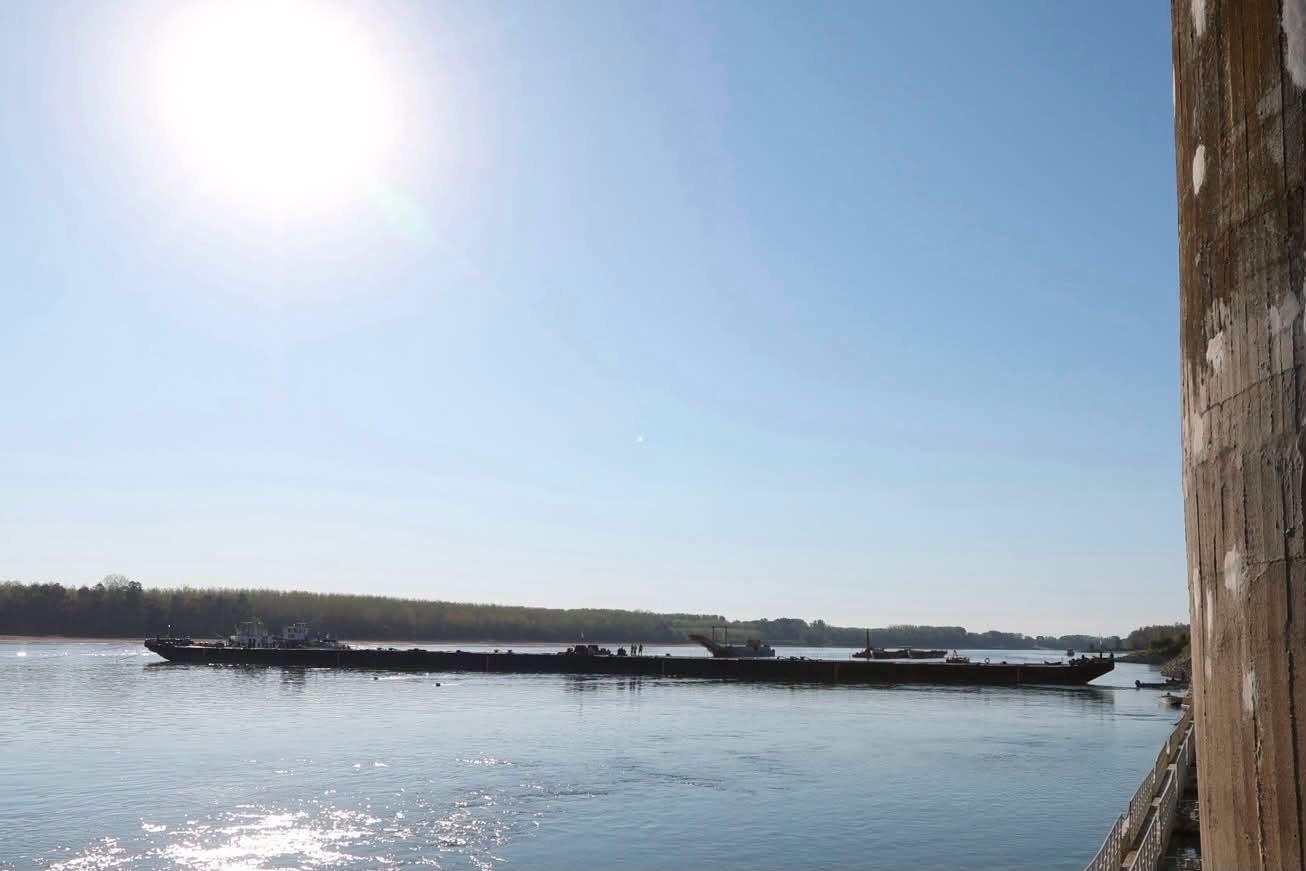
In an unprecedented emergency response to a growing environmental crisis, Hungarian authorities have announced a dramatic decision to deliberately sink two barges in the Danube River to prevent a potential nuclear power plant shutdown. The critical shallowing of the European Union’s largest river has created serious risks of an energy crisis across Eastern European nations, forcing governments to implement extraordinary measures to maintain power generation capabilities.
The situation has become particularly dire for Hungary’s Paks Nuclear Power Plant, which relies on the Danube’s waters for its cooling systems. Without adequate water levels, the plant faces the possibility of reducing output or even temporarily shutting down, which would create a cascading effect on the country’s energy grid and potentially affect neighboring nations that depend on shared electrical infrastructure.
The Danube Crisis and Its Energy Implications
The Danube River, stretching over 2,850 kilometers through ten countries, serves as a critical artery for European commerce, transportation, and energy production. This year’s severe drought conditions, exacerbated by climate change and record-breaking temperatures across the continent, have reduced water levels to their lowest points in decades. Some sections of the river have become so shallow that commercial shipping has been severely disrupted, and power plants along its banks are struggling to maintain operations.
Nuclear power plants require enormous quantities of water for cooling their reactors, and the Paks facility is no exception. The plant provides approximately 50% of Hungary’s electricity generation, making it an absolutely essential component of the nation’s energy security. Any disruption to its operations would not only affect Hungarian consumers but could also impact electricity exports to neighboring countries in the Central European power grid.
Emergency Measures and Technical Solutions
The decision to sink two barges represents a creative engineering solution to an otherwise intractable problem. By strategically positioning and submerging these vessels, authorities aim to create artificial barriers that will temporarily raise water levels in the critical section of the river near the power plant’s water intake systems. This technique, while unusual, has been employed in various water management scenarios throughout history, though rarely for such a high-stakes application as protecting nuclear infrastructure.
Hungarian water management officials have been working around the clock to implement multiple interventions along the Danube. In addition to the barge-sinking operation, authorities have been dredging sediment, repositioning navigation markers, and coordinating with upstream countries to optimize dam releases where possible. The country has also activated emergency protocols that allow for temporary modifications to environmental regulations in order to prioritize energy security.
Broader European Energy Security Concerns
This crisis comes at a particularly challenging time for European energy markets, which have been under severe strain since 2022 due to geopolitical tensions and the reduction of Russian gas supplies to the continent. Many EU nations have been forced to reconsider their energy strategies, with some countries extending the operational life of nuclear plants they had previously planned to decommission. The situation in Hungary underscores how climate change and traditional energy security concerns are increasingly interconnected, creating complex challenges for policymakers.
Environmental experts warn that such drought conditions may become more frequent in the coming decades, requiring permanent infrastructure investments rather than emergency interventions. Several EU member states have already begun discussions about creating shared contingency funds and coordinated response mechanisms for climate-related energy disruptions. The Danube basin countries, in particular, are exploring joint water management agreements that could help prevent similar crises in the future while balancing the competing needs of navigation, agriculture, and power generation.
Expert Opinion: The Hungarian barge-sinking operation represents a clear warning signal about the vulnerability of Europe’s energy infrastructure to climate extremes. As drought conditions become more frequent and severe, nuclear facilities across the continent will need substantial upgrades to their cooling systems or face repeated operational challenges. Investment in alternative cooling technologies and improved cross-border water management cooperation must become priorities for EU energy security planning in the coming decade.