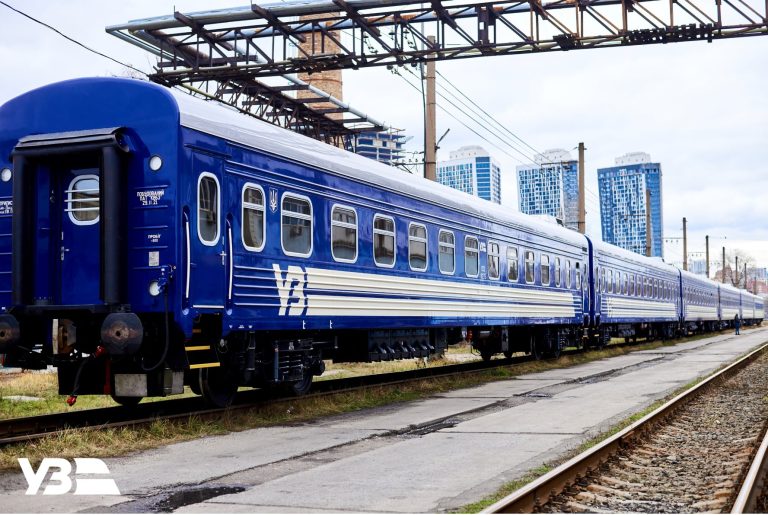
Ukrzaliznytsia, Ukraine’s state-owned railway company, is preparing a fresh restructuring proposal for holders of its $1.1 billion in outstanding bonds, according to a report by Bloomberg. The move comes on the heels of recently implemented freight tariff increases that have bolstered the company’s revenue outlook and potentially improved its negotiating position with international creditors. The development marks a critical step in Ukraine’s broader efforts to maintain essential infrastructure operations while managing sovereign and corporate debt obligations amid the ongoing conflict with Russia.
The railway operator, which serves as the backbone of Ukraine’s transportation network, has been struggling with severe financial pressures since Russia’s full-scale invasion began in February 2022. The company’s infrastructure has suffered extensive damage from military strikes, while operational costs have skyrocketed due to wartime conditions. Despite these challenges, Ukrzaliznytsia has remained operational, playing a crucial role in both civilian evacuation efforts and the transportation of military supplies and humanitarian aid throughout the country.
Strategic Importance of Tariff Adjustments
The recent freight tariff increases represent a significant policy shift aimed at improving the company’s financial sustainability. Ukrainian authorities have recognized that maintaining pre-war pricing structures was no longer viable given the dramatically changed circumstances. The tariff adjustments are expected to generate additional revenue that could be directed toward debt servicing, infrastructure repairs, and operational improvements. Industry analysts suggest that these increases, while potentially impacting shipping costs for businesses, are necessary to ensure the long-term viability of the railway system.
Ukrzaliznytsia’s debt restructuring efforts are part of a broader pattern of Ukrainian state enterprises seeking to renegotiate financial obligations during wartime. The company previously secured a debt standstill agreement with bondholders, temporarily suspending payment requirements while negotiations continued. Such arrangements have become common across Ukraine’s corporate landscape, with international creditors generally showing understanding of the extraordinary circumstances facing Ukrainian borrowers.
Historical Context and Company Background
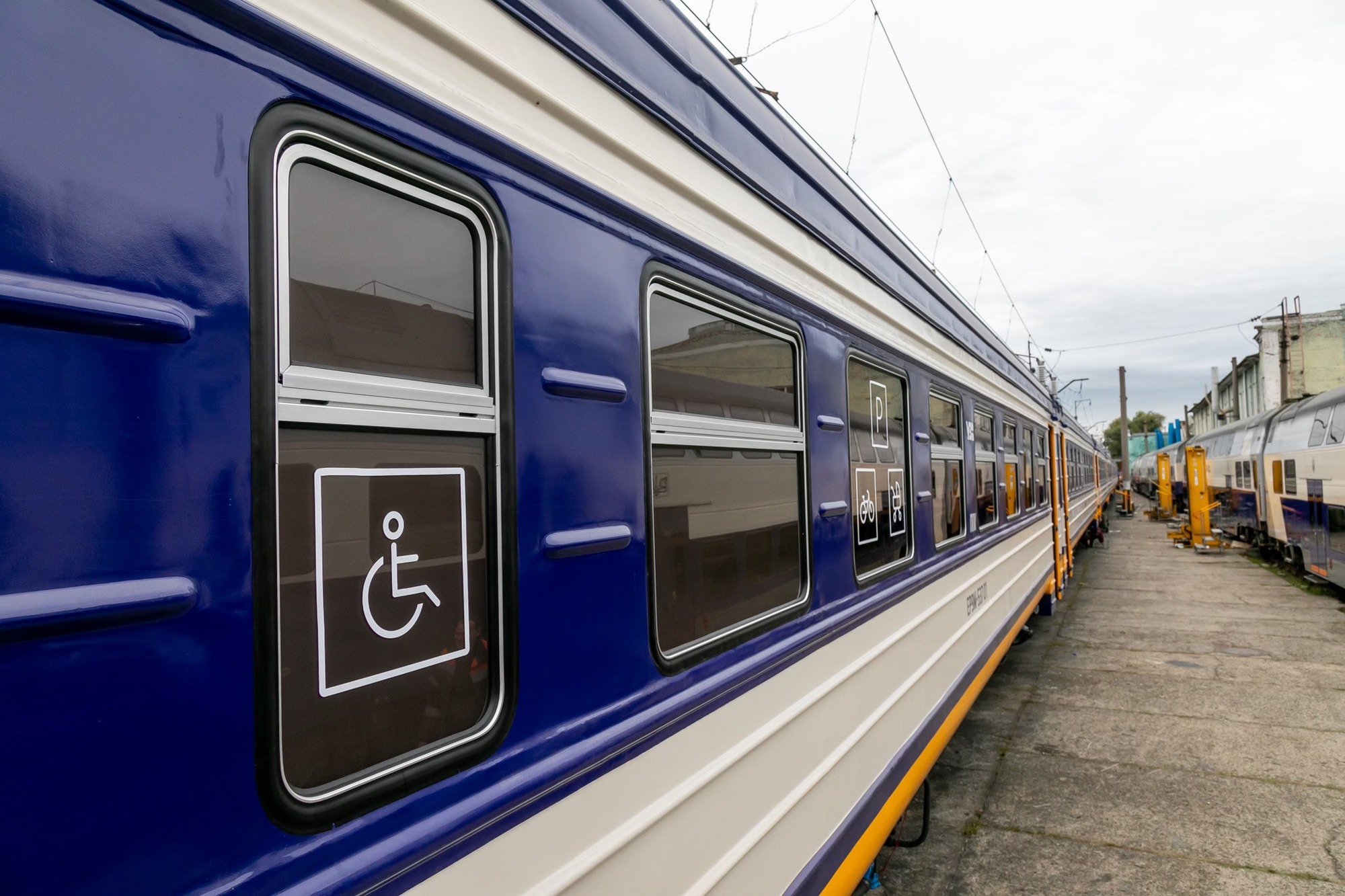
Ukrzaliznytsia operates one of the largest railway networks in Europe, spanning approximately 20,000 kilometers of track and employing hundreds of thousands of workers. Before the war, the company handled the vast majority of Ukraine’s freight transportation and served millions of passengers annually. The railway system has historical significance dating back to the Soviet era, though significant modernization efforts were underway before the 2022 invasion disrupted development plans. The company’s bond issuances, now subject to restructuring discussions, were originally intended to fund infrastructure upgrades and fleet modernization.
The restructuring negotiations involve complex discussions with multiple stakeholder groups, including international investment funds and institutional bondholders. These creditors must weigh the prospect of reduced or delayed payments against the alternative of a disorderly default that could yield even lower recovery rates. Similar considerations have guided Ukraine’s recent sovereign debt restructuring, which saw the country successfully negotiate significant relief from international bondholders. That precedent may provide a template for Ukrzaliznytsia’s discussions, though corporate debt restructuring involves different legal and commercial considerations.
Future Outlook and Recovery Prospects
Looking ahead, the success of Ukrzaliznytsia’s restructuring efforts will depend on multiple factors, including the trajectory of the conflict, the pace of infrastructure reconstruction, and Ukraine’s broader economic recovery. International financial institutions, including the World Bank and European Bank for Reconstruction and Development, have signaled interest in supporting Ukrainian infrastructure rehabilitation once conditions permit. The railway sector is expected to be a priority for reconstruction funding, given its critical importance to economic activity and European integration efforts.
The company’s ability to service restructured debt will ultimately depend on restoring normal operations and traffic volumes. Freight transportation remains constrained by security concerns and damaged infrastructure, while passenger services operate under modified schedules. However, the tariff increases suggest Ukrainian authorities are taking concrete steps to strengthen the company’s financial foundation, potentially making it a more attractive partner for future reconstruction investments and a more reliable counterparty for bondholders seeking eventual repayment of their claims.
Expert Opinion: The combination of tariff increases and proactive creditor engagement suggests Ukrzaliznytsia is positioning itself for a sustainable post-war recovery rather than simply seeking temporary relief. Bondholders who accept reasonable restructuring terms now may ultimately benefit from Ukraine’s anticipated reconstruction boom, which could transform the railway operator into a profitable enterprise once peace is restored. The success of these negotiations could serve as a bellwether for other Ukrainian state enterprises navigating similar financial challenges.