Russian economic analysts are forecasting a significant deceleration in the growth of real household incomes for 2026, attributing the expected slowdown to declining deposit yields and a broader cooling of economic activity across the nation. After several years of robust income growth driven by wartime economic policies and elevated interest rates, the coming year is expected to bring a more challenging environment for Russian consumers and savers alike.
The forecast represents a notable shift from the conditions that have prevailed in the Russian economy since 2022. During the initial period following Western sanctions, the Russian Central Bank implemented aggressive interest rate hikes to stabilize the ruble and combat inflation. These elevated rates provided savers with substantial returns on bank deposits, which became one of the few reliable sources of income growth for ordinary Russians during a period of economic uncertainty.
Declining Deposit Returns Impact Household Finances
One of the primary factors behind the projected income slowdown is the anticipated decrease in deposit yields. The Bank of Russia has maintained historically high key interest rates, which at various points exceeded 16 percent annually, making savings accounts an attractive option for Russian households. However, as inflationary pressures show signs of easing and the central bank considers loosening monetary policy, the returns on these deposits are expected to decline substantially.
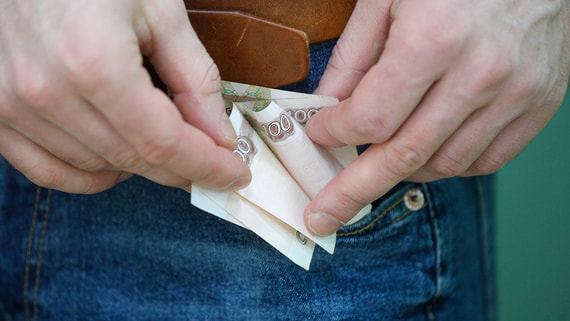
For millions of Russian families, interest income from bank deposits has served as a crucial supplement to wages and pensions. The reduction in these yields will directly impact disposable income, particularly for retirees and middle-class households who rely heavily on interest payments to maintain their standard of living. Financial analysts estimate that the decline could reduce overall real income growth by several percentage points compared to previous years.
Economic Activity Cooling Across Key Sectors
Beyond the deposit yield issue, experts point to a broader cooling of economic activity as a contributing factor to the income growth slowdown. The Russian economy experienced an unexpected surge in 2023 and 2024, driven largely by massive government spending on defense production and import substitution programs. This spending created jobs, increased wages in strategic industries, and generated significant economic momentum despite international isolation.
However, maintaining this pace of growth has proven increasingly difficult. Labor shortages have become acute in many sectors, with unemployment falling to historic lows and companies competing aggressively for workers. While this initially drove wage increases, the situation has also created inflationary pressures that erode purchasing power. As the government attempts to balance military spending with fiscal sustainability, the rate of economic expansion is expected to moderate, reducing opportunities for wage growth across the broader economy.
Historical Context and Future Outlook
The projected slowdown must be understood within the broader context of Russian economic history. Real income growth in Russia has been volatile over the past decade, with periods of significant decline following the 2014 Crimea annexation and subsequent sanctions, followed by periods of recovery. The post-2022 period saw unexpected resilience, but many economists warned that this growth was built on unsustainable foundations, including one-time factors that could not be repeated indefinitely.
Looking ahead, the trajectory of Russian household incomes will depend on several factors, including global energy prices, the duration and intensity of Western sanctions, and domestic policy decisions. Some analysts suggest that if geopolitical tensions ease, there could be opportunities for renewed growth. However, structural challenges, including demographic decline and limited access to Western technology and capital markets, will likely constrain long-term economic potential regardless of near-term policy choices.
Expert Opinion: The convergence of declining deposit yields and slowing economic momentum signals a critical inflection point for Russian household finances. While the economy demonstrated remarkable short-term resilience, the 2026 slowdown reflects the exhaustion of crisis-driven growth mechanisms. Russian policymakers face the challenging task of maintaining living standards while managing fiscal pressures, suggesting that income growth will remain subdued until new sustainable growth drivers emerge.