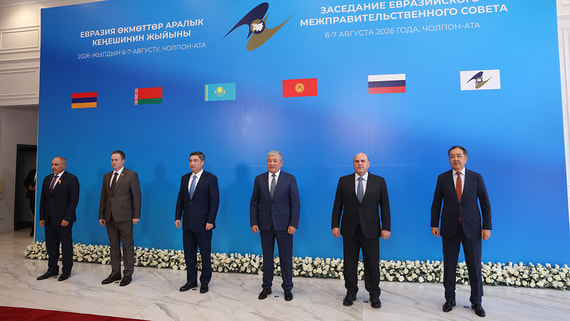
The prime ministers of the Eurasian Economic Union (EAEU) member states have convened for comprehensive discussions addressing two critical economic challenges facing the regional bloc: establishing unified e-commerce regulations and implementing coordinated measures to combat rising consumer prices. The high-level meeting resulted in several significant agreements that aim to strengthen economic integration and protect consumers across the five-nation union. Officials from all member states expressed optimism about expanding cooperation both within the union and with external partners, signaling a new phase in the bloc’s economic diplomacy.
The summit focused heavily on creating a harmonized framework for electronic commerce, which has experienced explosive growth across EAEU member states in recent years. With cross-border online trade becoming increasingly important for businesses and consumers alike, the lack of unified regulations has created complications for merchants operating across multiple jurisdictions. The prime ministers agreed to develop common standards for consumer protection, dispute resolution, and customs procedures for e-commerce transactions, which could significantly reduce barriers for online retailers and provide better safeguards for shoppers throughout the region.
Addressing Inflation and Price Stability Across the Union
Perhaps the most pressing concern discussed at the summit was the implementation of coordinated strategies to combat inflation and rising prices that have affected households throughout the EAEU. Like many regions globally, the Eurasian Economic Union has experienced significant inflationary pressures in recent years, driven by supply chain disruptions, energy price fluctuations, and various macroeconomic factors. The prime ministers acknowledged that individual national approaches have proven insufficient and that a collective response could yield better results for consumers across all member states.
The EAEU, which comprises Russia, Belarus, Kazakhstan, Armenia, and Kyrgyzstan, represents a combined market of approximately 180 million consumers and a GDP exceeding $2 trillion. Established in 2015, the union was designed to facilitate the free movement of goods, services, capital, and labor among its members. However, the bloc has faced persistent challenges in achieving deeper economic integration, with member states sometimes pursuing competing national interests. The agreements reached at this summit represent a renewed commitment to coordinated economic policy-making.
Expanding External Partnerships and Trade Corridors
Beyond internal matters, the prime ministers devoted significant attention to expanding the EAEU’s cooperation with external partners. The union has been actively pursuing free trade agreements with countries across Asia, the Middle East, and Africa, seeking to diversify economic relationships and create new opportunities for member state exporters. Recent geopolitical developments have accelerated these efforts, with the bloc exploring enhanced partnerships with nations including China, India, Iran, and various Southeast Asian countries. The officials expressed particular interest in developing new logistics corridors that could reduce transportation costs and delivery times for goods moving between EAEU members and their trading partners.
The digital economy emerged as another major theme during the discussions, with leaders recognizing that technological advancement will be crucial for the union’s long-term competitiveness. Beyond e-commerce regulations, the prime ministers discussed initiatives related to digital payments, cross-border data flows, and the development of shared digital infrastructure. These efforts align with broader global trends toward digitalization while also addressing the unique challenges faced by the EAEU’s diverse economies, which range from highly urbanized centers to remote rural areas with limited internet connectivity.
Implementation Challenges and Future Outlook
While the summit produced notable agreements, experts caution that implementation will require sustained political will and significant administrative coordination. Previous EAEU initiatives have sometimes struggled to translate summit declarations into practical changes on the ground, with member states occasionally prioritizing national interests over collective commitments. Nevertheless, the growing economic pressures facing all member states may provide stronger incentives for genuine cooperation this time. The next steps will involve working groups developing detailed technical proposals and timelines for implementing the agreed measures, with progress expected to be reviewed at subsequent ministerial meetings throughout the coming year.
Expert Opinion: The EAEU’s focus on e-commerce regulation and price control mechanisms reflects a maturing approach to regional economic governance. If successfully implemented, these measures could position the bloc as a more attractive partner for external trade agreements while providing tangible benefits to consumers. However, the true test will be whether member states can overcome historical tendencies toward protectionism and achieve the level of regulatory harmonization necessary to realize these ambitious goals.