
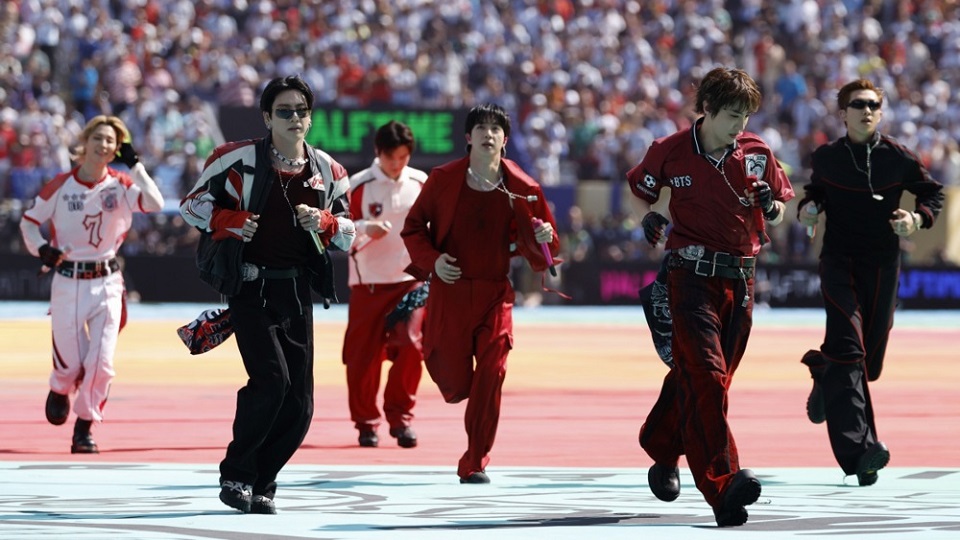
In a paradoxical turn of events that has left investors scratching their heads, shares of Hybe Corporation, the entertainment giant behind global K-pop sensation BTS, plummeted dramatically on Tuesday despite the overwhelming success of the group’s reunion concerts. The stock dropped by a staggering 16.09%, marking the company’s worst single-day performance since June 2022. This unexpected market reaction has sparked intense debate among analysts about the complex relationship between artistic success and shareholder expectations in the modern entertainment industry.
Key Takeaways
- Hybe shares dropped 16.09% on Tuesday despite sold-out BTS reunion concerts, marking the worst single-day loss since June 2022.
- The selloff reflects a classic ‘buy the rumor, sell the news’ pattern, where investors took profits once the anticipated concerts materialized.
- Hybe remains heavily dependent on BTS revenue despite diversification efforts through acts like Seventeen, NewJeans, and Le Sserafim.
- The reunion marked the first time all seven BTS members performed together since mandatory military service began.
- Analysts suggest entertainment stocks face unique volatility due to misalignment between creative cycles and quarterly earnings expectations.
The sharp decline came as a surprise to many observers who expected the highly anticipated BTS concerts to drive positive momentum for the company. However, market analysts suggest that the sell-off reflects a classic case of “buy the rumor, sell the news” – a phenomenon where investors who had accumulated shares in anticipation of the concerts decided to take profits once the events actually materialized. The concerts themselves were undeniably triumphant, drawing massive crowds and generating enormous revenue, but the stock market operates on forward-looking expectations rather than present achievements.
BTS's Global Dominance and Hybe's Stock Volatility
BTS, which stands for Bangtan Sonyeondan (Bulletproof Boy Scouts), has revolutionized the global music industry since their debut in 2013. The seven-member group – comprising RM, Jin, Suga, J-Hope, Jimin, V, and Jungkook – has shattered numerous records, from topping Billboard charts to selling out stadiums worldwide within minutes. Their devoted fanbase, known as ARMY, represents one of the most organized and passionate fan communities in entertainment history. Hybe, formerly known as Big Hit Entertainment, went public in October 2020, and the IPO was one of South Korea’s largest in years, with the stock initially soaring on enthusiasm surrounding BTS’s global dominance.
The company’s market capitalization has experienced significant volatility over the years, largely tied to BTS’s activities. When group members began their mandatory military service – a requirement for all able-bodied South Korean men – the stock faced pressure as investors worried about the group’s extended hiatus. The recent reunion concerts represented the first time all seven members performed together since their temporary disbandment, creating enormous anticipation among fans and investors alike. Pre-concert trading had seen the stock climb steadily as speculation mounted about ticket sales, merchandise revenue, and potential new music releases.
Why Success Triggered a Selloff
| Date/Period | Decline Trigger | Context |
|---|---|---|
| June 2022 | BTS hiatus announcement | Group announced temporary break for solo projects |
| This Tuesday | Reunion concert success | Profit-taking after anticipated event materialized |
Financial experts point to several factors that contributed to Tuesday’s dramatic selloff. First, the concerts’ success had already been priced into the stock during the run-up period, leaving little room for further upside once the events occurred. Second, some institutional investors may have used the positive news as an opportunity to rebalance their portfolios or reduce their exposure to the entertainment sector. Third, concerns persist about Hybe’s long-term revenue diversification, as the company remains heavily dependent on BTS despite efforts to develop other successful acts like Seventeen, NewJeans, and Le Sserafim.
The June 2022 comparison is particularly noteworthy, as that previous major decline coincided with BTS’s announcement of a temporary hiatus to focus on solo projects. The current drop, while similarly severe in percentage terms, occurs under vastly different circumstances – during a moment of celebration rather than uncertainty. This contrast highlights the often counterintuitive nature of stock market behavior, where positive developments can trigger profit-taking while negative news might already be factored into prices. South Korean entertainment stocks have generally shown high volatility compared to other sectors, reflecting the unpredictable nature of artist-dependent businesses.
Lessons for Artist-Dependent Public Companies
The Hybe stock situation offers broader lessons for the entertainment industry’s relationship with public markets. Companies built around superstar talent face unique challenges in managing investor expectations, as creative output and touring schedules don’t always align with quarterly earnings cycles. Some analysts argue that entertainment companies might be better suited to private ownership, where long-term artistic development isn’t subject to daily stock price fluctuations. Nevertheless, Hybe has made strategic acquisitions, including Ithaca Holdings (home to Justin Bieber and Ariana Grande), to diversify its portfolio and reduce dependence on any single act.
Looking ahead, investors will be watching closely for announcements regarding new BTS music, additional tour dates, and the company’s broader strategic initiatives. The group’s cultural impact extends far beyond concert revenue, encompassing merchandise, endorsements, streaming royalties, and even tourism to South Korea. Despite Tuesday’s sharp decline, many long-term investors remain confident in Hybe’s fundamental strength and BTS’s enduring global appeal. The stock’s recovery will likely depend on the company’s ability to convert the reunion momentum into sustained engagement and revenue growth throughout the coming year.
The Paradox of Personality-Driven Entertainment Stocks
This selloff exposes a fundamental tension in how public markets value entertainment companies built around superstar talent. Hybe’s stock had climbed steadily in anticipation of the reunion, essentially pricing in the concert success before tickets were even scanned. When the event delivered exactly what investors expected, there was nothing left to drive prices higher—only room for profit-taking.
The comparison to June 2022 is striking because the circumstances are inverted. That crash came from genuinely bad news—BTS announcing a hiatus. This one came during a celebration. Both resulted in nearly identical percentage drops, illustrating how stock prices reflect expectations about the future rather than present reality.
Hybe’s diversification strategy through acquisitions like Ithaca Holdings and development of newer groups addresses the core vulnerability, but the market clearly still views the company as a BTS proxy. Until revenue streams genuinely diversify, expect this volatility pattern to repeat around major BTS milestones.
The broader question is whether artist-dependent entertainment companies belong in public markets at all. Private ownership would allow for long-term creative development without quarterly pressure, though it would also limit capital access and liquidity for early investors.
Investor Questions Answered
Why did Hybe stock crash after successful BTS concerts?
The stock had already risen in anticipation of the concerts, so the success was ‘priced in.’ Once the events occurred, investors who bought ahead of the news sold to lock in profits—a common pattern called buy the rumor, sell the news. The concerts’ actual success couldn’t push prices higher because expectations had already been met.
Is Hybe still dependent on BTS for revenue?
Yes, despite developing successful groups like Seventeen, NewJeans, and Le Sserafim, and acquiring Ithaca Holdings (Justin Bieber, Ariana Grande), Hybe’s stock still moves primarily on BTS-related news. Market behavior suggests investors view other acts as supplementary rather than as true revenue diversification.
What should investors watch after the BTS reunion concerts?
Post-concert merchandise sales and streaming data over the next 30 days will indicate whether the reunion reignited sustained fan engagement. Announcements about new music, additional tour dates, and broader strategic initiatives will also influence whether the stock recovers from this correction.
Expert Opinion: This market correction, while dramatic, represents a healthy recalibration rather than a fundamental reassessment of Hybe’s value. The key indicator to watch will be post-concert merchandise and streaming data over the next 30 days, which will reveal whether the reunion has reignited dormant fan engagement. Long-term investors should view this volatility as characteristic of personality-driven entertainment stocks rather than a signal to exit positions.