The industrial production index has decelerated significantly, recording just 0.4% growth during the first half of the year, according to the latest economic data. This marked slowdown from previous periods has prompted economists and industry analysts to examine the underlying causes, with many pointing to highly uneven performance across different industrial sectors as the primary explanation for the tepid overall numbers.
The modest growth figure represents a notable departure from the more robust expansion seen in recent years, when industrial output was climbing at rates several times higher. While the headline number might suggest a broad-based economic cooling, experts emphasize that the reality is far more nuanced, with some sectors experiencing significant contraction while others continue to post strong gains.
Divergent Sector Performance Reveals Complex Economic Picture
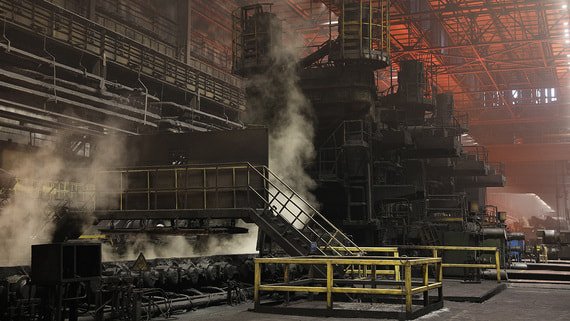
According to industry analysts, the manufacturing sector has shown particularly mixed results. Heavy industry and metallurgy have faced headwinds from fluctuating global commodity prices and shifting demand patterns, while high-tech manufacturing and electronics production have demonstrated more resilience. The food processing industry has maintained relatively stable output, benefiting from consistent domestic demand and import substitution policies implemented in recent years.
The energy sector, traditionally a cornerstone of industrial output, has experienced its own set of challenges. Oil and gas production has been influenced by international market dynamics and production agreements, while the renewable energy segment continues to grow, albeit from a smaller base. Coal mining has seen declining output in many regions as economies transition toward cleaner energy sources, contributing to the overall slowdown in the extractive industries subsector.
Historical Context and Economic Implications
To understand the significance of the current 0.4% growth rate, it is essential to consider historical trends. Over the past decade, industrial production growth has varied considerably, with peaks during periods of economic recovery and troughs during global downturns. The 2008-2009 financial crisis saw industrial output contract sharply, while subsequent years brought gradual recovery. More recently, the COVID-19 pandemic caused significant disruptions to supply chains and production schedules, effects that continue to reverberate through the industrial economy.
Economists note that the current slowdown may also reflect structural changes in the economy rather than purely cyclical factors. The ongoing shift from traditional manufacturing toward services and digital industries means that industrial production figures may capture a decreasing share of overall economic activity. Additionally, automation and efficiency improvements can lead to higher output with fewer resources, potentially dampening growth in traditional metrics while actually representing positive economic development.
Expert Analysis and Future Outlook
Leading economic research institutes have offered varied assessments of what the slowdown portends for the broader economy. Some analysts argue that the uneven sectoral dynamics represent a healthy rebalancing, as resources shift from declining industries toward more productive and sustainable sectors. Others express concern that persistent weakness in key industrial segments could eventually spill over into employment and consumer spending, potentially dampening economic growth more broadly.
Government officials have acknowledged the challenges while pointing to policy measures designed to support industrial modernization and competitiveness. Investment incentives for high-tech manufacturing, infrastructure development programs, and support for small and medium enterprises in the industrial sector are among the initiatives being implemented or expanded. The effectiveness of these measures in reversing the slowdown will likely become clearer in coming quarters as new data becomes available and the impact of policy interventions can be assessed.
Expert Opinion: The 0.4% industrial growth figure, while modest, should be interpreted within the context of global economic headwinds and ongoing structural transformation rather than as an indicator of imminent recession. Sectors positioned in advanced manufacturing and green technology are likely to drive recovery in the second half of the year, though traditional heavy industry may continue to face pressure as global demand patterns evolve and decarbonization efforts accelerate worldwide.