A significant offshore natural gas field discovered off the coast of Cyprus in 2022 is set to begin production within the next two years, marking a pivotal moment for both the island nation and European energy security. Italian energy giant Eni and French multinational TotalEnergies are spearheading the development of this strategic resource, which promises to reshape the Eastern Mediterranean energy landscape and provide much-needed diversification of gas supplies to the European continent.
The announcement comes at a critical time for Europe, which has been actively seeking alternative energy sources following the disruption of Russian gas supplies due to the ongoing conflict in Ukraine. The Cyprus gas field represents not only a commercial opportunity but also a geopolitical milestone in the region’s quest for energy independence and supply chain resilience.
The Cronos-1 Discovery and Its Strategic Importance
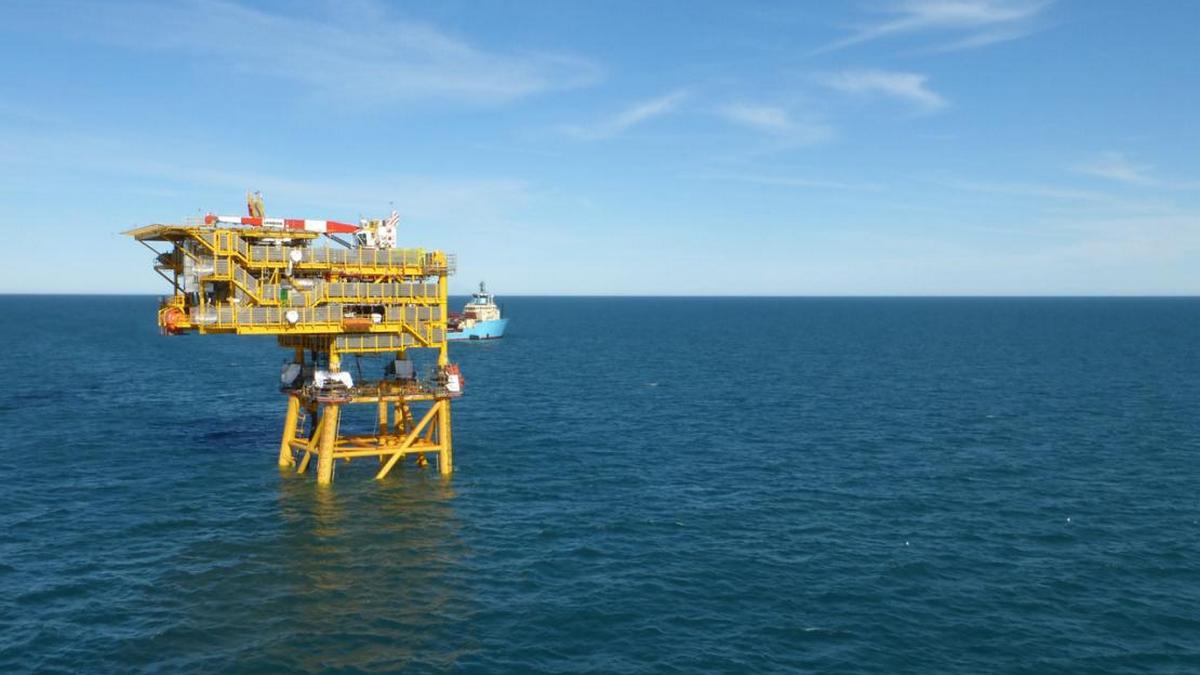
The gas field in question, known as Cronos-1, was discovered by Eni in 2022 in Block 6 of Cyprus’s Exclusive Economic Zone. Initial estimates suggest the field contains approximately 2.5 trillion cubic feet of natural gas, making it one of the most significant discoveries in the Eastern Mediterranean in recent years. This discovery added to an already promising portfolio of hydrocarbon resources in Cypriot waters, including the earlier Aphrodite field discovered in 2011.
The partnership between Eni and TotalEnergies brings together two of Europe’s most experienced energy companies, combining Italian expertise in Mediterranean operations with French technological capabilities. Both companies have extensive track records in offshore gas development and have been instrumental in exploring the Eastern Mediterranean’s hydrocarbon potential over the past decade. Their collaboration ensures that the project benefits from substantial financial resources and technical know-how necessary for deep-water extraction operations.
European Energy Security and Diversification Efforts
The development of Cypriot gas resources aligns perfectly with the European Union’s broader strategy to reduce dependence on Russian energy supplies. Since 2022, EU member states have been aggressively pursuing alternative gas sources, including increased imports of liquefied natural gas from the United States, Qatar, and other suppliers. The Cyprus project offers a particularly attractive option as it provides a geographically proximate and politically stable source of supply.
Industry analysts estimate that once fully operational, the Cyprus gas fields could supply between 5 and 10 percent of Europe’s natural gas needs, depending on the ultimate scale of development and infrastructure investments. The gas could be transported to Europe either through a potential pipeline to Egypt for processing and re-export, or via a direct pipeline to Greece and into the broader European gas network. Discussions about the EastMed pipeline project, which would connect Eastern Mediterranean gas fields directly to European markets, have gained renewed momentum in light of current geopolitical circumstances.
The project also holds transformative potential for Cyprus itself, which stands to benefit from substantial royalties, job creation, and the development of supporting infrastructure. For a small island economy that has traditionally relied on tourism and financial services, becoming a significant energy producer represents a fundamental shift in economic structure and regional influence.
Challenges and Regional Considerations
Despite the optimistic outlook, the development of Cypriot gas resources is not without challenges. The Eastern Mediterranean remains a complex geopolitical environment, with competing territorial claims and historical tensions among neighboring states. Turkey, in particular, has contested Cyprus’s exclusive rights to certain offshore zones, creating periodic diplomatic friction that could potentially complicate development efforts.
Technical challenges also remain significant. Deep-water extraction in the Mediterranean requires sophisticated equipment and expertise, and the development timeline of approximately two years is considered ambitious by industry standards. Additionally, the global energy transition toward renewable sources raises questions about the long-term demand for natural gas, though most analysts believe gas will remain an important transition fuel for decades to come. Environmental considerations, including the carbon footprint of extraction and potential marine ecosystem impacts, will also require careful management throughout the project’s lifecycle.
Expert Opinion: The Cyprus gas development represents a strategic win-win for both European energy security and Mediterranean economic development. Given the current geopolitical climate and Europe’s urgent need for supply diversification, we can expect accelerated investment and potentially faster-than-anticipated development timelines. However, the project’s ultimate success will depend heavily on regional diplomatic stability and the ability of stakeholders to navigate complex territorial considerations while maintaining commercial viability in an evolving global energy market.