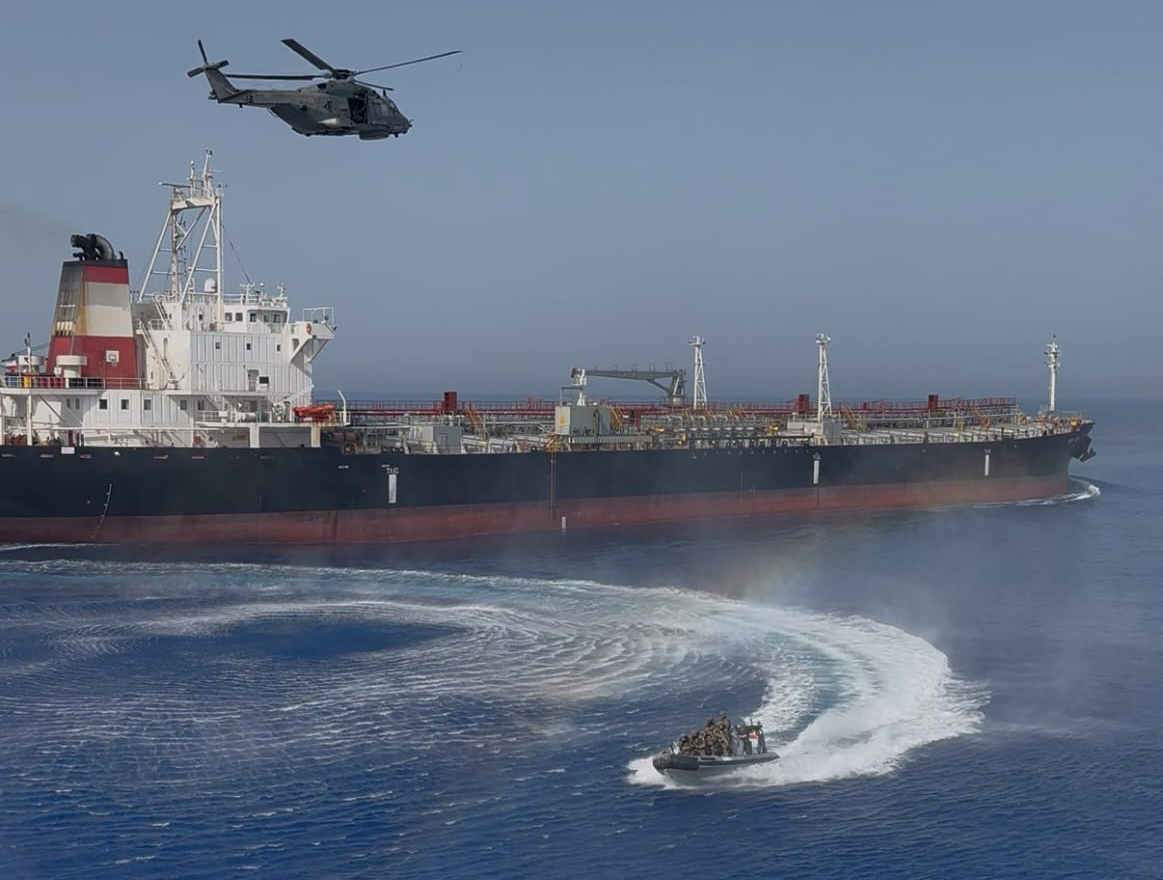
The European Union is significantly escalating pressure on Russia’s oil export operations by introducing new sanctions that will permit the sale of Russian crude oil seized from confiscated “shadow fleet” vessels. This measure represents a dramatic intensification of Western efforts to close loopholes in the price cap mechanism that has been in place since December 2022, targeting one of Russia’s primary revenue streams funding its military operations in Ukraine.
The new regulations are designed to address the growing challenge posed by Russia’s shadow fleet – a collection of aging tankers operating under obscure ownership structures and flags of convenience that have enabled Moscow to circumvent Western sanctions and sell oil above the $60 per barrel price ceiling. Industry analysts estimate that this shadow fleet now comprises between 600 and 800 vessels, representing a significant portion of global tanker capacity dedicated to Russian oil transportation.
The Shadow Fleet Phenomenon and Its Economic Impact
Russia’s shadow fleet emerged as a direct response to Western sanctions imposed following the invasion of Ukraine in February 2022. These vessels typically operate without proper Western insurance, use ship-to-ship transfers to obscure the origin of their cargo, and frequently disable their automatic identification systems to avoid tracking. The fleet has proven remarkably effective at maintaining Russian oil exports, with Moscow reportedly selling crude at prices significantly exceeding the Western-imposed cap throughout 2023 and 2024.
The economic stakes are enormous. Russia’s oil and gas revenues remain critical to funding its federal budget and war effort, with petroleum exports generating tens of billions of dollars annually. By allowing the sale of confiscated oil cargoes, the EU aims to create a new deterrent against shadow fleet operations while potentially generating funds that could be directed toward Ukrainian reconstruction or humanitarian efforts. Maritime security experts note that this approach transforms seized vessels from liabilities into potential assets for sanctioning authorities.
Legal Framework and Implementation Challenges
The implementation of these new sanctions raises complex legal and logistical questions. European authorities will need to establish clear procedures for vessel seizure, cargo verification, and subsequent sale of oil products. Legal experts point to precedents in drug interdiction and sanctions enforcement, but note that the scale and value of oil cargoes present unique challenges. The process must balance efficiency with due process protections to withstand potential legal challenges from vessel owners.
Additionally, the EU must coordinate with international partners, particularly the United States and United Kingdom, to ensure consistent enforcement and prevent regulatory arbitrage. The G7 coalition that originally established the price cap mechanism has shown varying levels of enthusiasm for aggressive enforcement, with some members expressing concern about potential disruptions to global oil markets and energy prices. However, the continued Russian military operations have strengthened political will for more robust sanctions implementation.
Global Energy Market Implications and Future Outlook
The announcement comes at a critical juncture for global energy markets. Oil prices have shown considerable volatility throughout 2024-2025, influenced by OPEC+ production decisions, Chinese demand fluctuations, and ongoing geopolitical tensions. Industry analysts suggest that aggressive enforcement against shadow fleet operations could temporarily tighten supply in certain markets, though the overall impact on global prices is expected to be limited given the availability of alternative crude sources.
Environmental and maritime safety advocates have welcomed the measures, noting that shadow fleet vessels often pose significant ecological risks due to their age, poor maintenance, and inadequate insurance coverage. Several near-miss incidents and minor spills involving suspected shadow fleet tankers in the Baltic Sea and Turkish Straits have highlighted these dangers. The new sanctions framework could accelerate the retirement of the most problematic vessels while establishing clearer accountability mechanisms for maritime environmental protection.
Expert Opinion: The EU’s decision to monetize seized shadow fleet cargoes represents a strategic evolution in sanctions enforcement that could fundamentally alter risk calculations for operators circumventing the price cap. While implementation challenges remain significant, this approach signals Western determination to close enforcement gaps and may prompt Russia to seek even more elaborate evasion methods, potentially including increased reliance on Chinese and Indian-flagged vessels operating outside Western regulatory reach.