
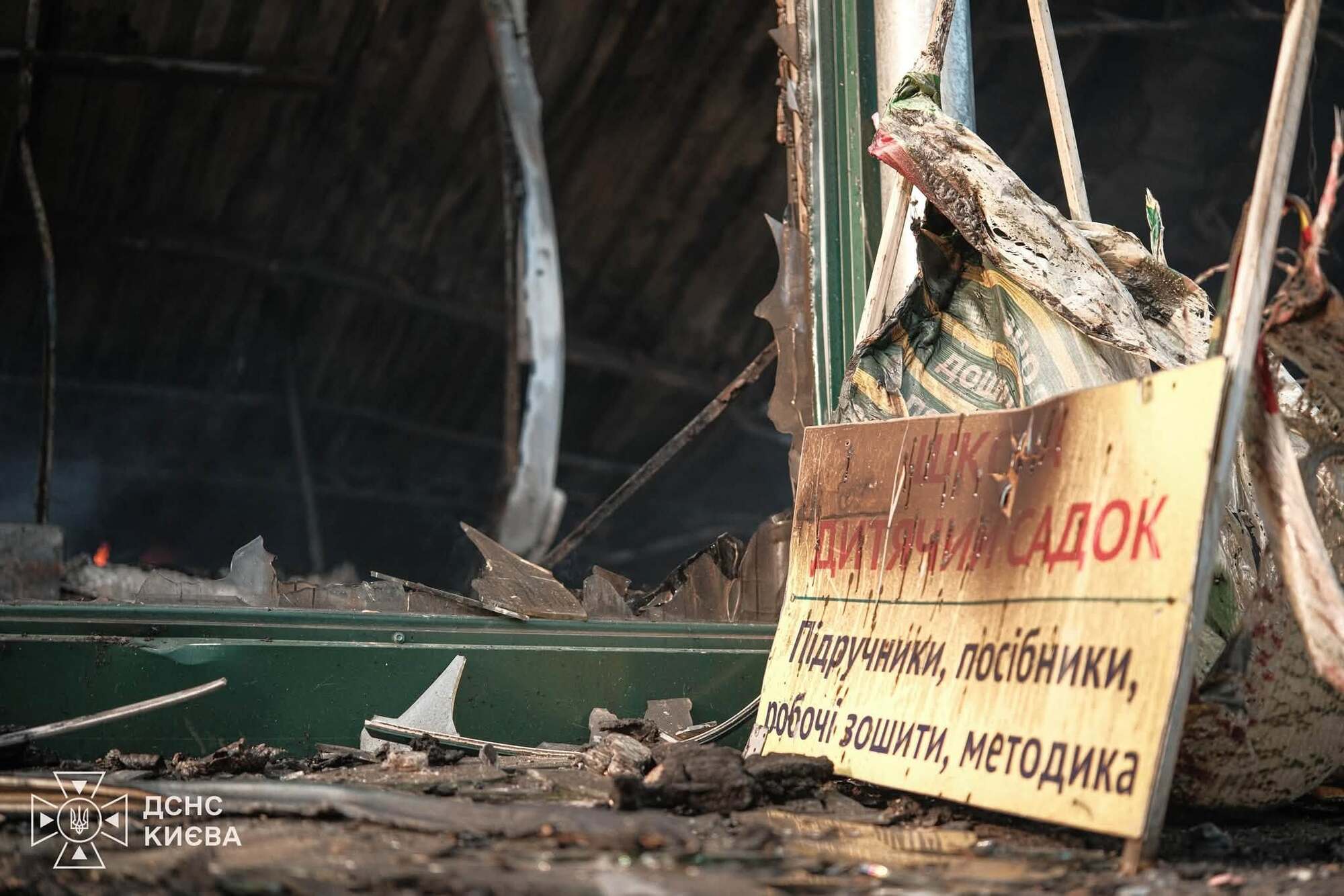
In a gesture of solidarity with Kyiv’s embattled book-selling community, BGV Butkevych company has announced it will provide up to 500 square meters of trading space at the Pechersk Market for a symbolic rental fee of just one hryvnia. This offer extends to vendors displaced from the historic Pochaina book market and will remain valid until the end of November 2026, giving merchants nearly two years of virtually free commercial space to continue their trade during challenging times.
The announcement comes as welcome news for dozens of booksellers who have faced uncertainty following disruptions to their traditional trading location. The Pochaina book market, situated near the Pochaina metro station in Kyiv’s Podil district, has long been a beloved cultural institution in the Ukrainian capital, drawing bibliophiles, collectors, and casual readers alike to browse through stacks of new releases, vintage editions, and rare finds every weekend.
A Historic Trading Hub Faces Modern Challenges
The Pochaina book market represents more than just a commercial enterprise for many Ukrainians. For decades, it has served as a gathering place for intellectuals, students, and literature enthusiasts who value the personal connections and serendipitous discoveries that physical book markets provide. Unlike sterile retail environments, markets like Pochaina offer a distinctly human experience where vendors often possess encyclopedic knowledge of their collections and can guide customers to hidden treasures they never knew they were seeking.
Book markets have historically played a crucial role in Ukrainian cultural life, particularly during periods of transition and upheaval. During the Soviet era, such markets often served as underground channels for distributing banned literature and preserving Ukrainian-language books. In the post-independence period, they became vital spaces for the revival of national literature and the democratization of access to reading materials across all price ranges.
BGV Butkevych Steps Forward with Support
The decision by BGV Butkevych to offer such generous terms reflects a growing recognition within Ukraine’s business community of the importance of supporting cultural institutions during times of crisis. The Pechersk Market location offers displaced vendors several advantages, including its central location in one of Kyiv’s most prestigious districts and its established infrastructure for commercial trading. The market is well-connected by public transportation and enjoys steady foot traffic from residents of the surrounding affluent neighborhoods.
Market analysts note that such arrangements, while charitable in nature, can also benefit property owners by maintaining occupancy rates and keeping commercial spaces active rather than vacant. Empty market stalls can quickly deteriorate and become less attractive to future tenants, making temporary low-cost arrangements mutually beneficial for all parties involved.
The Future of Traditional Book Selling in Ukraine
The plight of Pochaina’s booksellers mirrors broader challenges facing traditional book vendors worldwide in an era dominated by e-commerce and digital reading. However, physical book markets retain passionate followings, particularly among collectors of used, rare, and antiquarian books that cannot be easily sourced online. In Ukraine specifically, there has been a notable resurgence of interest in physical books and printed materials as symbols of cultural resilience and national identity.
The November 2026 deadline gives vendors significant time to establish themselves at the new location, build customer bases, and plan for long-term sustainability. Industry observers will be watching closely to see whether this temporary arrangement might evolve into a more permanent fixture of Kyiv’s cultural landscape, potentially creating a new destination for book lovers in the heart of the capital’s historic Pechersk district.
Expert Opinion: This initiative demonstrates an emerging model of public-private partnership for cultural preservation that could be replicated across Ukraine and beyond. As traditional markets face increasing pressure from urban development and digital commerce, creative solutions involving symbolic rents and temporary relocations may prove essential for preserving these irreplaceable community spaces. The success of this arrangement could establish a template for supporting displaced cultural vendors in other cities facing similar challenges.