
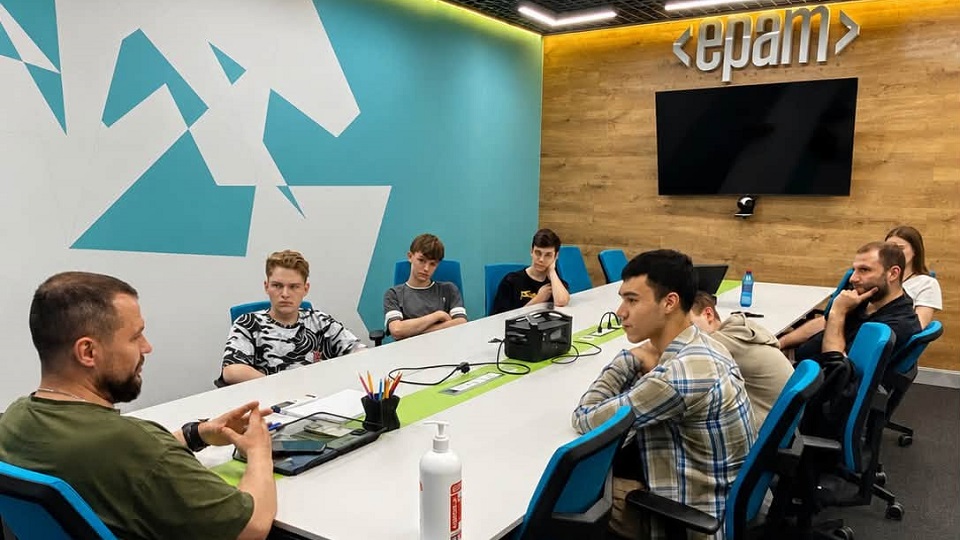
In a significant pushback against growing concerns in the tech industry, EPAM Systems’ leadership in Ukraine has firmly rejected the notion that artificial intelligence will render junior developers unnecessary. The head of EPAM Ukraine has stated that while AI will fundamentally transform how entry-level professionals are trained and onboarded, it will not eliminate the need for them in the workforce. This perspective comes at a critical time when many industry voices are suggesting that generative AI tools could replace the need for less experienced programmers altogether.
The debate around junior developers’ relevance has intensified since the widespread adoption of AI coding assistants like GitHub Copilot, ChatGPT, and other large language model-based tools. Some tech executives and industry analysts have suggested that these tools can handle many tasks traditionally assigned to junior developers, potentially making entry-level positions redundant. However, EPAM’s position reflects a more nuanced understanding of how technology adoption typically unfolds in enterprise environments and the irreplaceable value of human learning and development.
The Evolution of Junior Developer Training in the AI Era
EPAM Systems, one of the world’s largest software engineering companies with significant operations in Eastern Europe, has historically been known for its robust training programs and investment in developing talent from the ground up. The company’s perspective suggests that rather than eliminating junior positions, AI will reshape the skills these professionals need to develop. Instead of spending time on repetitive coding tasks, entry-level developers may focus more on understanding business logic, system architecture, and the critical skill of effectively collaborating with AI tools.
This shift mirrors previous technological disruptions in the software industry. When integrated development environments (IDEs) with auto-completion features became standard, critics similarly predicted reduced need for manual coding skills. Instead, these tools raised productivity expectations while allowing developers to tackle more complex challenges. The same pattern appears to be emerging with AI assistants – they serve as force multipliers rather than replacements for human intelligence and creativity.
Industry-Wide Implications and Expert Perspectives
The tech industry’s relationship with junior talent has always been cyclical, influenced by economic conditions, technological shifts, and market demands. During economic downturns, companies often reduce entry-level hiring, only to face talent shortages when markets recover. EPAM’s stance reflects a long-term strategic view that maintaining a pipeline of developing talent is essential for organizational sustainability. Companies that completely abandon junior hiring may find themselves facing severe skill gaps within just a few years.
Furthermore, the human elements of software development – understanding user needs, navigating complex stakeholder relationships, and making ethical decisions about technology implementation – remain firmly in the domain of human professionals. AI tools excel at pattern matching and code generation based on existing examples, but they lack the contextual understanding and judgment that even junior developers bring to their work. The ability to ask the right questions, understand why a solution matters, and learn from mistakes are fundamentally human capabilities that no current AI can replicate.
EPAM’s position also acknowledges a practical reality: someone needs to guide, validate, and improve AI-generated outputs. This supervisory role requires human judgment and technical understanding – skills that can only be developed through hands-on experience. Junior developers of today will become the senior architects of tomorrow, and their early career experiences with AI collaboration will shape how these technologies are integrated into enterprise workflows for decades to come. The tech industry’s future depends not on replacing its youngest workers, but on evolving how they learn, contribute, and grow within organizations that embrace both human talent and artificial intelligence as complementary forces.
Expert Opinion: The AI-versus-junior-developers debate ultimately misses a crucial point: successful software development has never been purely about writing code. As AI handles more routine programming tasks, junior developers will likely shift toward roles emphasizing system thinking, stakeholder communication, and AI tool orchestration. Companies that maintain robust junior hiring and training programs now will be best positioned to lead when AI capabilities mature, while those who cut entry-level positions may face significant competitive disadvantages within five to ten years.