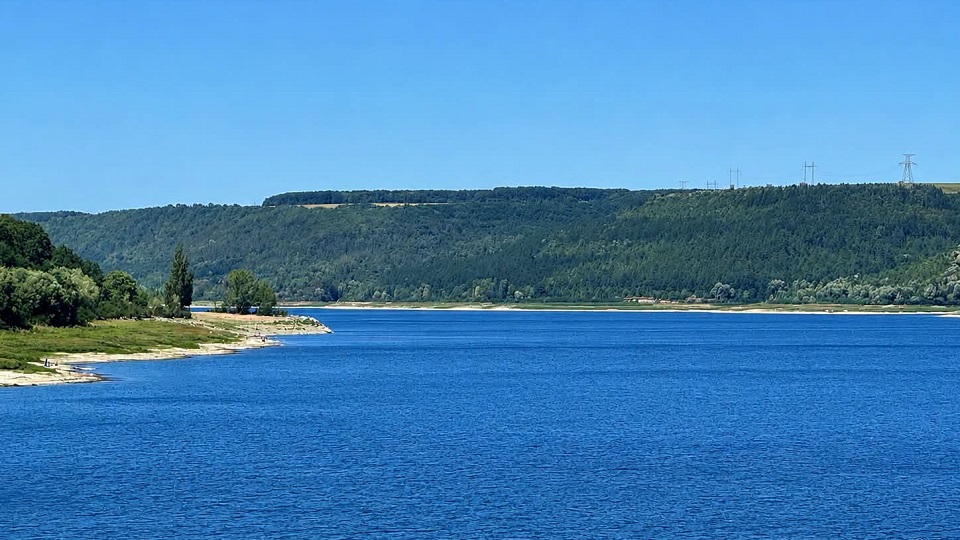
The Dniester Reservoir, one of Eastern Europe’s most significant artificial water bodies, has experienced an alarming decline in water levels, dropping 76 centimeters since the beginning of August. According to recent measurements, the reservoir has reached its lowest level ever recorded for August 20th, raising serious concerns among environmental experts, agricultural communities, and water resource managers throughout the region.
This unprecedented drop in water levels comes amid a broader pattern of climate-related challenges affecting water resources across Eastern Europe. The Dniester Reservoir, which spans the border region between Moldova and Ukraine, serves as a critical source of drinking water, irrigation, and hydroelectric power for millions of people in both countries. The current situation represents not just a seasonal anomaly but potentially a harbinger of more severe water security challenges to come.
Understanding the Dniester Reservoir’s Critical Role
The Dniester Reservoir was created in the 1980s following the construction of the Dniester Hydroelectric Power Station, one of the largest pumped-storage power plants in Europe. The reservoir stretches approximately 204 kilometers in length and covers an area of about 142 square kilometers at normal water levels. It plays a multifaceted role in the regional ecosystem and economy, providing hydroelectric power generation, flood control, irrigation for agricultural lands, drinking water supplies, and recreational opportunities for local communities.
The reservoir’s water level is carefully monitored throughout the year, as fluctuations can significantly impact power generation capacity and water availability for downstream communities. Historically, summer months have always seen some decline in water levels due to increased evaporation and higher demand for irrigation. However, the current drop to historic lows for this time of year indicates that conditions have deteriorated far beyond typical seasonal patterns.
Climate Change and Regional Water Crisis
Environmental scientists have been tracking concerning trends in the Dniester River basin for several years. Rising temperatures, changing precipitation patterns, and more frequent extreme weather events have all contributed to increased stress on water resources throughout the region. The summer of 2024 has been particularly challenging, with below-average rainfall and above-average temperatures creating perfect conditions for rapid water loss through evaporation.
The situation in the Dniester basin mirrors broader concerns across Europe, where multiple rivers and reservoirs have experienced significant declines in recent years. The Rhine, Danube, and Po rivers have all faced historically low water levels during recent summers, disrupting shipping, agriculture, and power generation. These patterns suggest that water scarcity is becoming a defining challenge of the 21st century for European nations that have historically enjoyed abundant freshwater resources.
Implications for Local Communities and Agriculture
The record-low water levels in the Dniester Reservoir have immediate and far-reaching consequences for communities throughout Moldova and Ukraine. Agricultural operations that depend on reservoir water for irrigation face potential crop losses if water restrictions are implemented. Farmers in the region have already reported difficulties accessing sufficient water for their fields, with some being forced to reduce planted acreage or switch to less water-intensive crops.
Municipal water supplies in downstream communities may also face challenges if the situation continues to deteriorate. Water treatment facilities designed to operate at certain reservoir levels may need to implement conservation measures or seek alternative water sources. The hydroelectric power station’s output capacity is directly linked to water availability, meaning that reduced levels could impact regional electricity generation at a time when energy security remains a pressing concern across Europe.
Environmental groups have called for comprehensive water management strategies that address both immediate needs and long-term sustainability. They advocate for improved water efficiency in agriculture, investment in water recycling and conservation technologies, and international cooperation to manage shared water resources more effectively. As climate change continues to alter precipitation patterns and increase the frequency of drought conditions, such measures will become increasingly essential for protecting water security in the Dniester basin and beyond.
Expert Opinion: The historic low water level in the Dniester Reservoir signals a critical inflection point for regional water management strategies. Without immediate implementation of comprehensive conservation measures and long-term infrastructure investments, we can expect water scarcity crises to become more frequent and severe across Eastern Europe. International cooperation between Moldova and Ukraine on shared water resources will be essential for ensuring sustainable access to this vital resource in coming decades.