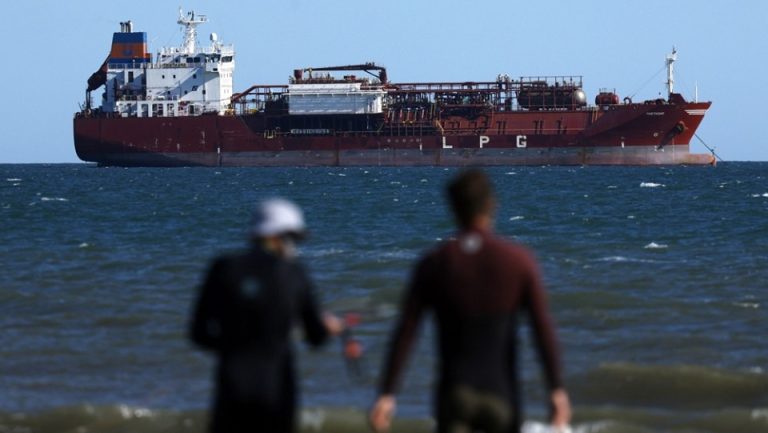
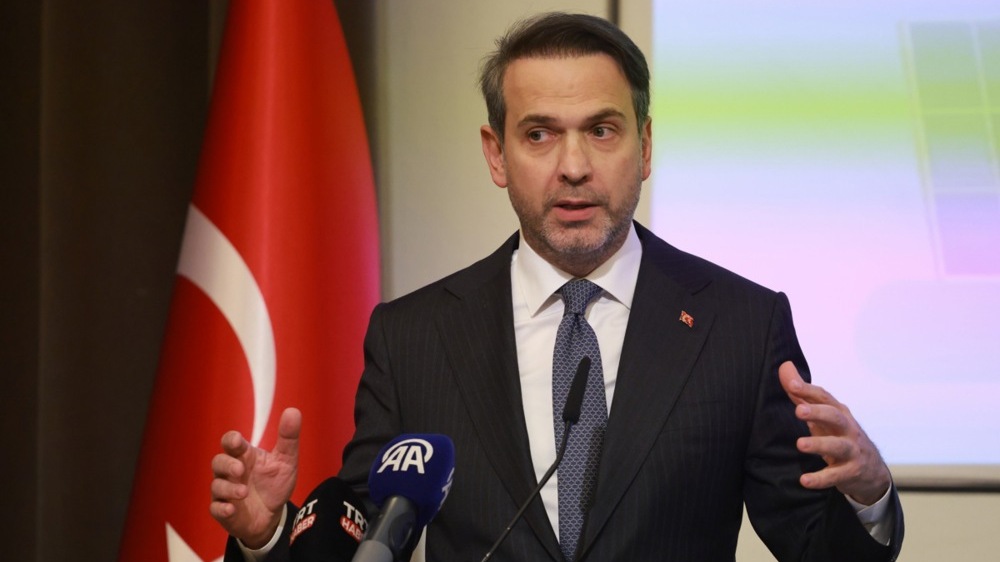
In a significant geopolitical development, Turkey has officially declared its readiness to conduct oil and gas exploration operations within Syrian territory. Turkish energy companies are now prepared to undertake exploratory drilling both offshore in Syria’s Mediterranean waters and onshore across the war-torn nation’s landscape. This announcement marks a potentially transformative moment in regional energy politics and reflects Turkey’s growing influence in post-conflict Syria.
The declaration comes at a critical juncture in Syrian affairs, following years of civil conflict that have left the country’s infrastructure in ruins and its natural resources largely untapped. Turkey, which shares a 900-kilometer border with Syria, has maintained a substantial military presence in northern parts of the country and has been actively involved in shaping the political future of its southern neighbor. Energy experts suggest that Turkish involvement in Syrian hydrocarbon exploration could accelerate the reconstruction of Syria’s devastated economy while simultaneously serving Ankara’s strategic interests in the region.
Syria’s Untapped Energy Potential
Syria’s oil and gas reserves, while modest compared to neighboring Iraq or Saudi Arabia, represent a significant economic opportunity. Prior to the civil war that erupted in 2011, Syria was producing approximately 385,000 barrels of oil per day, making it a minor but notable player in regional energy markets. The country’s proven oil reserves are estimated at around 2.5 billion barrels, with natural gas reserves reaching approximately 241 billion cubic meters. Much of this potential remains unexplored, particularly in offshore Mediterranean zones that have never been fully surveyed using modern geological techniques.
The Syrian conflict effectively halted most legitimate energy operations, with various armed groups competing for control of oil-producing regions. The eastern Deir ez-Zor province, home to Syria’s most productive oil fields, became a contested battleground for years. International sanctions imposed on the Syrian government further complicated any attempts at conventional energy development, creating a vacuum that Turkey now appears eager to fill.
Strategic Implications for Regional Energy Politics
Turkey’s announcement carries profound implications for the broader Eastern Mediterranean energy landscape. The region has witnessed intense competition over natural gas resources in recent years, with discoveries off the coasts of Israel, Egypt, and Cyprus reshaping regional alliances. Turkey has repeatedly clashed diplomatically with Greece and Cyprus over drilling rights in contested waters, and its extension into Syrian maritime territory could further complicate these dynamics. Analysts note that any Turkish energy operations in Syrian waters would need to navigate complex international legal frameworks regarding exclusive economic zones and continental shelf boundaries.
From a domestic perspective, Turkey faces significant energy security challenges. The country imports approximately 70 percent of its energy needs, making it heavily dependent on foreign suppliers, particularly Russia and Iran for natural gas. President Recep Tayyip Erdogan has repeatedly emphasized the importance of diversifying energy sources and developing domestic or nearby reserves. Syrian hydrocarbons, accessible through Turkish companies with government backing, could provide a partial solution to this strategic vulnerability.
Economic Reconstruction and Political Considerations
The potential entry of Turkish energy companies into Syria also carries significant implications for the country’s reconstruction efforts. Syria’s infrastructure has been devastated by over a decade of conflict, with damage estimates reaching hundreds of billions of dollars. Revenue from oil and gas development could theoretically finance rebuilding efforts, though questions remain about how such revenues would be distributed and which political authorities would benefit. International observers have expressed concern about the transparency and governance frameworks that would surround any energy agreements.
Turkey’s deepening economic engagement with Syria also reflects the changing political landscape following the fall of the Assad government. Turkish officials have signaled their intention to play a leading role in Syria’s future, and energy cooperation represents a concrete manifestation of this ambition. However, any exploration activities would likely face scrutiny from the international community, including questions about adherence to environmental standards and the rights of local populations in resource-rich areas.
Expert Opinion: Turkey’s move to pursue energy exploration in Syria represents a calculated bid to establish long-term economic leverage while addressing its own energy security concerns. However, the success of such ventures will depend heavily on political stability in Syria and the international community’s willingness to accept Turkish involvement in Syrian natural resources. This development could either accelerate Syria’s economic recovery or become another source of regional tension, depending on how neighboring powers and Western nations respond to Ankara’s expanding influence.